


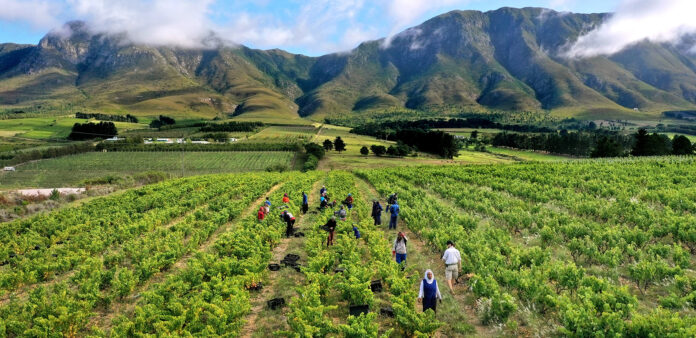
South Africa is caught in a precarious economic paradox. The country’s food economy is becoming increasingly vulnerable while, at the same time, millions of hectares of arable land transferred through land reform remain underutilised.
We are experiencing global shocks at the moment when the country can least afford it. Rising fertiliser prices, fuel volatility, shipping disruptions and geopolitical tensions are all pushing up the cost of food production. The country is grappling with severe cost-of-living pressures driven by imported food inflation, and with growing food insecurity.
This is compounded by additional factors such as regulatory and policy uncertainty, as well as logistical and infrastructure inefficiencies.
Recent data released by Grain SA highlights the structural vulnerabilities in the agricultural value chain. The country currently imports more than 80% of its fertiliser, a production input that accounts for a massive 35% to 50% of total farming costs.
This exposes local food production directly to global shocks, currency volatility, shifting fuel prices and geopolitical tensions. When global supply chains fracture, South African consumers pay the price at the till.
The land reform programme continues to present immense opportunities. However, land transfer alone does not automatically translate into productive land use. Post-settlement support, affordable finance, access to markets and capacity building remain among some of the biggest challenges facing beneficiaries of the programme.
Agriculture requires massive upfront operational capital before a single crop can be harvested or sold. When input costs spike unexpectedly, the financial shockwaves quickly alter how farmers allocate their limited resources, often resulting in reduced productivity”
Within the context of Community Property Associations (CPAs), the impact is even worse, particularly where there are limited budgets and little or no post-settlement support or capacity building
At Vumelana Advisory Fund we know that what we are seeing in the current economic environment is going to impact beneficiaries of the land reform programme even more, given the existing challenges.
The current challenges require a deliberate move by Business South Africa, private investors and other key stakeholders who want to see this country’s land reform programme succeed.
There is an urgent need to ramp up partnership with CPAs to aggressively scale up advisory support and build private partnerships that can empower land reform beneficiaries with the capability to independently determine their best course forward.
Immediate interventions remain necessary to support land reform beneficiaries.
Government and private partners need to look at what can be done to support land reform beneficiaries to survive the squeeze.
- Setou is chief executive of Vumelana Advisory Fund, a not-for-profit organisation that helps land reform beneficiaries put their land to productive use.
- South Africa faces rising food insecurity and high production costs due to global shocks such as increased fertiliser prices, fuel volatility, and geopolitical tensions, exacerbated by reliance on imports for over 80% of fertiliser.
- Millions of hectares of land transferred through land reform remain underutilised, largely due to lack of post-settlement support, affordable finance, market access, and capacity building for beneficiaries.
- The agricultural sector’s vulnerability is intensified by regulatory uncertainty, logistical inefficiencies, and the high upfront capital needed before farming yields any return.
- Community Property Associations (CPAs) are particularly affected due to limited budgets and insufficient post-settlement assistance, worsening their productivity challenges.
- Urgent collaborative efforts from government, private investors, and business sectors are needed to provide advisory support, build partnerships, and empower land reform beneficiaries for sustainable land use and increased food production.


