


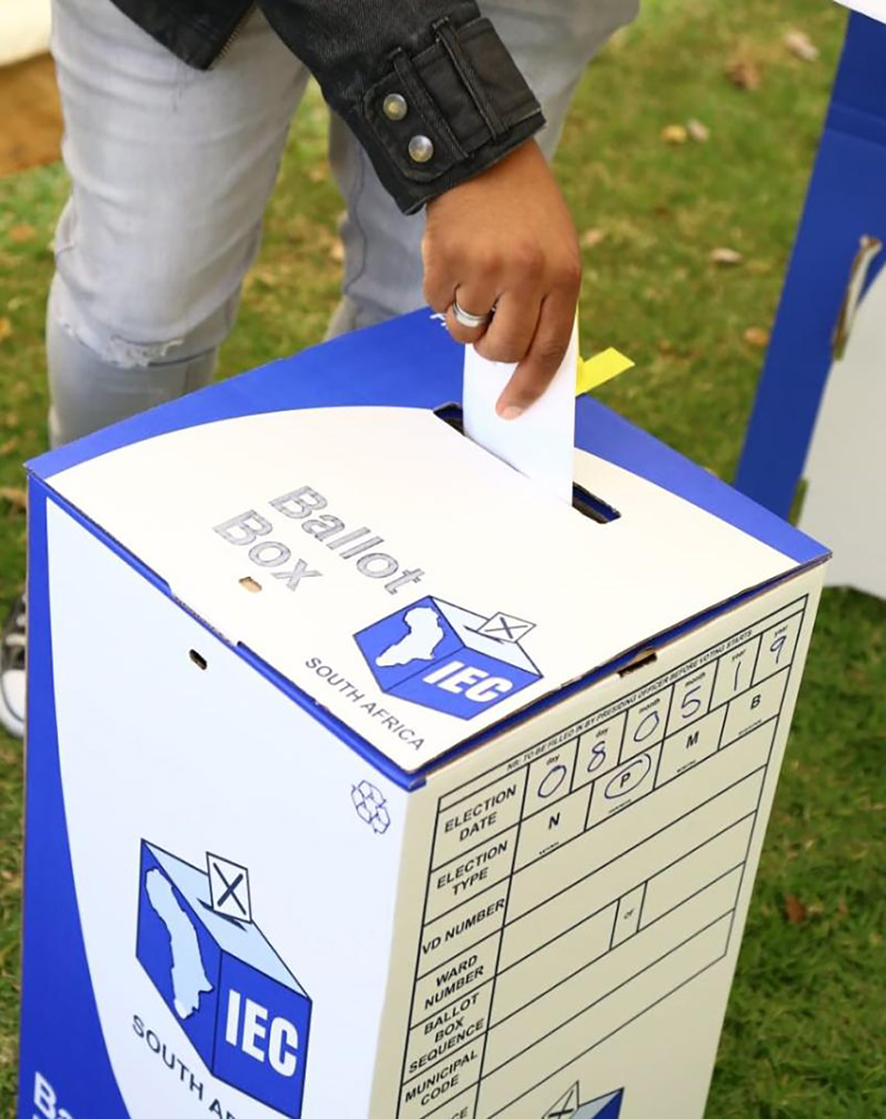
For some, the conversation that might have changed their vote came a day too late. After the government elections, some social media users described how a politician’s promises or footage of the politician at work in a community had helped settle their choice.
Then came further reading and conversations with people who had followed the candidate’s record or understood the dispute behind a post. Some voters said they wished they could mark their ballots again.
Those accounts raise a question worth asking: How can a voter know a candidate well enough to recognise their voice on their phone screen, yet reach election day knowing little about what that candidate has done?
Consider a video of a politician standing beside a sewage leak. For residents who have spent months trying to get the municipality’s attention, there is value in someone showing up, listening and letting a wider audience see what families live with. The footage may end before anyone asks when the fault was first reported, whether the council set aside money for repairs or what the politician did when residents raised it six months earlier. Each of those facts could change how a voter reads the same scene.
In a July 2026 survey by the Campaign On Digital Ethics, 91% of 771 respondents said they received election information through at least one social media or messaging platform. Respondents were more likely to check the date on a post than trace the material to its original source. A date can establish when a candidate visited a community. It says little about their conduct over the past five years.
Sometimes the original source settles the matter. Before the 2024 national elections, a video circulated purporting to show Donald Trump endorsing the uMkhonto weSizwe Party. Africa Check traced the footage to a 2017 NBC interview, years before the party was registered.
A more difficult editorial judgment concerns the authentic clip that leaves out a decisive fact. A candidate can truthfully say they called for a road to be repaired. Residents are entitled to know how that candidate voted when the repair budget came before council.
That is where the conversations some voters described having afterwards become valuable. A promise to improve water services can mean different things on opposite sides of the same city. In one neighbourhood, the concern may be how long it takes to fix a burst pipe. In another, residents may want to know why their streets have waited years for infrastructure.
In a country where apartheid shaped where families could live and which neighbourhoods received investment, that difference deserves a hearing. A resident who remembers three promises can ask a question a newcomer would have little reason to consider.
The same format that carries a campaign slogan can help someone participate in an election. A candidate claiming credit for a council decision could just as easily direct viewers to the minutes recording who proposed it, who supported it and when it passed.
Voters can reasonably be expected to weigh a promise. Parties seeking public office can reasonably be expected to supply the information that gives it weight. A pledge to restore water to a ward should come with the name of the authority responsible, an indication of the cost and a date when residents can expect an update. Newsrooms and community radio stations can press for those details. Too often, the resident assessing a promise has to do more work than the politician making it.
Changing a political judgment after hearing evidence deserves more respect than defending it out of embarrassment. That reconsideration also has a use beyond the next election. The resident who saved the campaign video can bring it to a ward meeting and ask the newly elected councillor what has happened since the cameras left. For the families on that street, the answer matters far more than whether the clip helped somebody win.
• Dusani is a graduate in PR and communications from the University of Johannesburg and is interning at Decode, Pan-African PR agency in Johannesburg.
- For some, the conversation that might have changed their vote came a day too late.
- After the government elections, some social media users described how a politician’s promises or footage of the politician at work in a community had helped settle their choice.
- Then came further reading and conversations with people who had followed the candidate’s record or understood the dispute behind a post.
- Some voters said they wished they could mark their ballots again.
- Those accounts raise a question worth asking: How can a voter know a candidate well enough to recognise their voice on their phone screen, yet reach election day knowing little about what that candidate has done?


