


On paper, our democracy appears alive and thriving. Hundreds of political parties, thousands of candidates and millions of registered voters point to a healthy and competitive electoral system.
More than 546 political parties and nearly 137 000 candidates contested just over 10 500 council seats in one of the most crowded democratic exercises in the country’s history in the local government elections.
The voters roll grew to about 29.2-million registered voters, suggesting a democracy that is expanding and maturing.
Willing participants
But democracies are not measured by the number of names on a ballot paper. They are measured by the willingness of citizens to participate. They are measured by whether people believe their vote matters and whether they trust the institutions that govern them.
By that standard, South Africa should be concerned.
Behind the impressive election statistics lies an uncomfortable truth. Fewer South Africans are voting. Young people are disengaged from electoral politics. Trust in public institutions appears to be weakening.
While political parties continue to celebrate electoral victories and coalition arrangements, millions of South Africans are choosing not to participate in the democratic process.
Troubling trend among young voters
The most troubling aspect of this trend is the growing absence of young voters. Political parties have spent years attempting to court young people through
social media campaigns, catchy slogans and promises of economic transformation.
Yet many young South Africans remain unconvinced that any political party genuinely understands or represents their aspirations. For them, elections feel like exercises in rhetoric rather than opportunities for meaningful change.
This should worry every major political party, whether it is the ANC, DA, EFF, ActionSA, the MK Party or any of the hundreds of smaller formations vying for public support.
The disengagement of young voters is not simply a political challenge; it is a national crisis in the making.
Democratic project at risk
If the generation that is supposed to inherit and sustain democracy loses faith in it, the future of the democratic project comes into question.
The 2021 local government elections recorded a turnout of just 45% of registered voters. When measured against the total eligible voting population, the statistics become even more alarming. Only three out of every 10 eligible adults voted.
Those numbers should trigger a moment of national introspection. If we are prepared to speak honestly, we must ask a difficult question: How many political parties spoke to the needs and concerns of young South Africans during these elections?
Yes, local government elections are primarily about service delivery. They are about roads, refuse removal, water, sanitation and electricity. But for millions of people living in townships, informal settlements and rural communities, the issues cannot be separated from broader socio-economic realities. Service delivery is connected to dignity, opportunity and quality of life.
Inequality and the disconnect
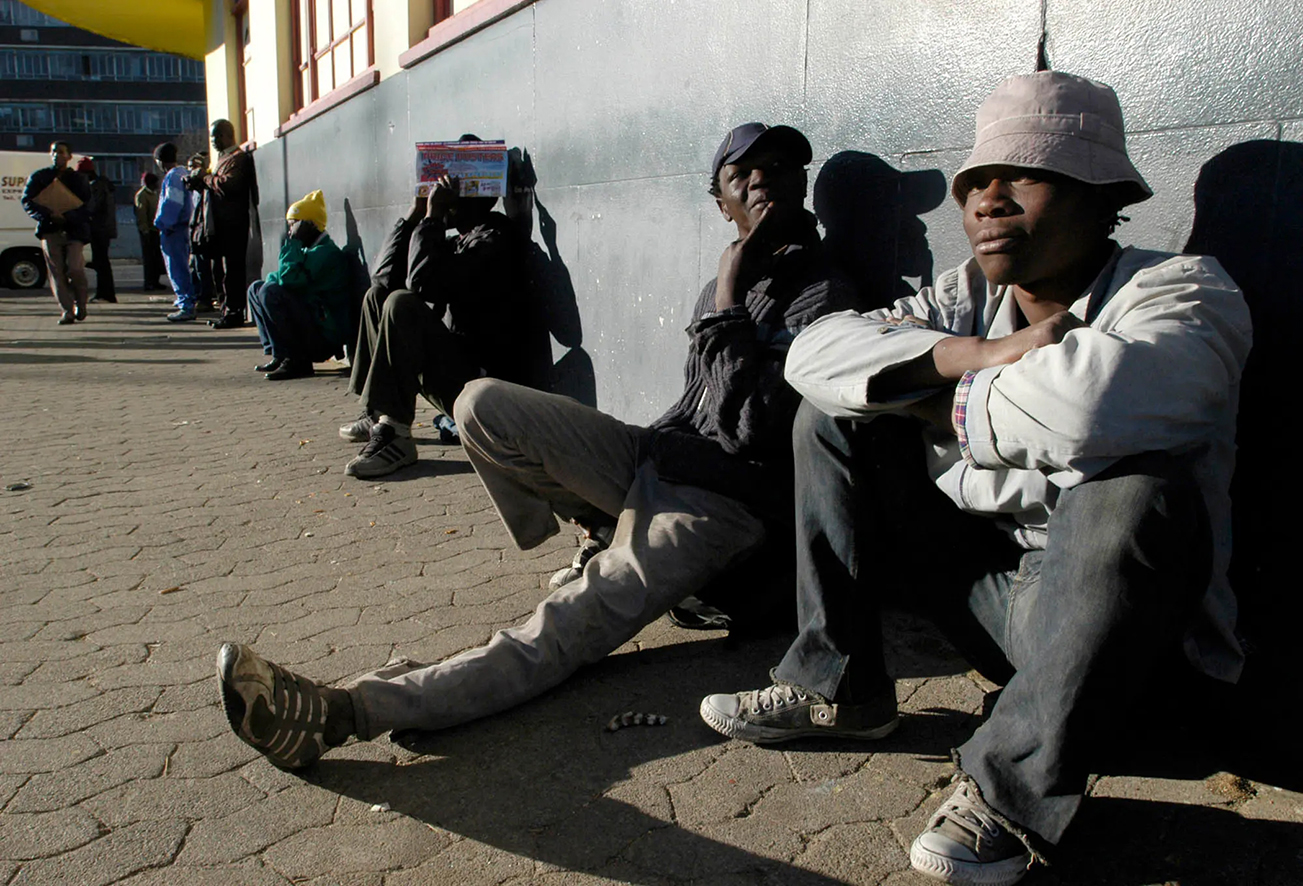
South Africa remains one of the most unequal societies in the world. Millions of young people wake up without employment, income or realistic prospects for economic advancement. They watch as graduates struggle to find jobs. They watch families survive on shrinking budgets while the cost of living rises. They watch communities deteriorate as infrastructure collapses and local economies stagnate.
In such circumstances, it is not difficult to understand why many young people feel disconnected from politics. For a young graduate who has spent years searching unsuccessfully for employment, election promises often sound hollow. For a family living on social grants that barely keep pace with food inflation, the language of democracy means little if it does not translate into a better quality of life.
Many citizens who faithfully cast their ballots do so from positions of relative stability. They have homes, jobs, bank accounts and resources that allow them to engage in civic life. But millions of others experience a different reality. They wake up wondering where the next meal will come from. They struggle to afford electricity, transport and basic necessities and are fighting for survival.
This is why declining voter participation cannot be dismissed as voter apathy. In many cases, it reflects disillusionment. People are not staying away from the polls because they do not care about South Africa but because they question whether the political system cares about them.
The greatest threat facing South Africa is not voter turnout statistics, coalition negotiations or electoral outcomes. It is the growing possibility that an entire generation is losing faith in the value of democratic participation.
• Botha is a gender and human rights activist.
- More than 546 political parties and nearly 137,000 candidates contested over 10,500 council seats in South Africa's local government elections with about 29.2 million registered voters.
- Voter turnout in the 2021 local government elections was 45% of registered voters, equating to only three out of every ten eligible adults voting.
- Young South Africans show a growing disengagement from electoral politics, feeling that elections do not represent their aspirations or offer meaningful change.
- Economic hardships, inequality, and deteriorating local infrastructure contribute to young people's disillusionment with politics and reduced voter participation.
- Declining voter participation reflects not voter apathy but disillusionment, as many question whether the political system truly cares about their needs.


