


Former president Thabo Mbeki has called for urgent action to ensure that the Sustainable Development Goals (SDGs) are back on the global agenda, saying they were “our most effective blueprint for peace, prosperity and sustainability”.
Mbeki was addressing the Cape Town Conversation last week, where he made the plea for the SDGs to return to the centre of global decision-making.
Platform for partnerships
For the past four years, The Cape Town Conversation, a partnership between the Thabo Mbeki Foundation and Observer Research Foundation (ORF), has provided a platform for global policymakers, business leaders, multilateral institutions, researchers, civil society and other stakeholders to explore partnerships and shared ambitions.
UN member states adopted the SDGs in 2015, prioritising poverty eradication, improving access to health, education and clean water, while reducing inequality, spurring economic growth and tackling climate change.
Stalled SDGs
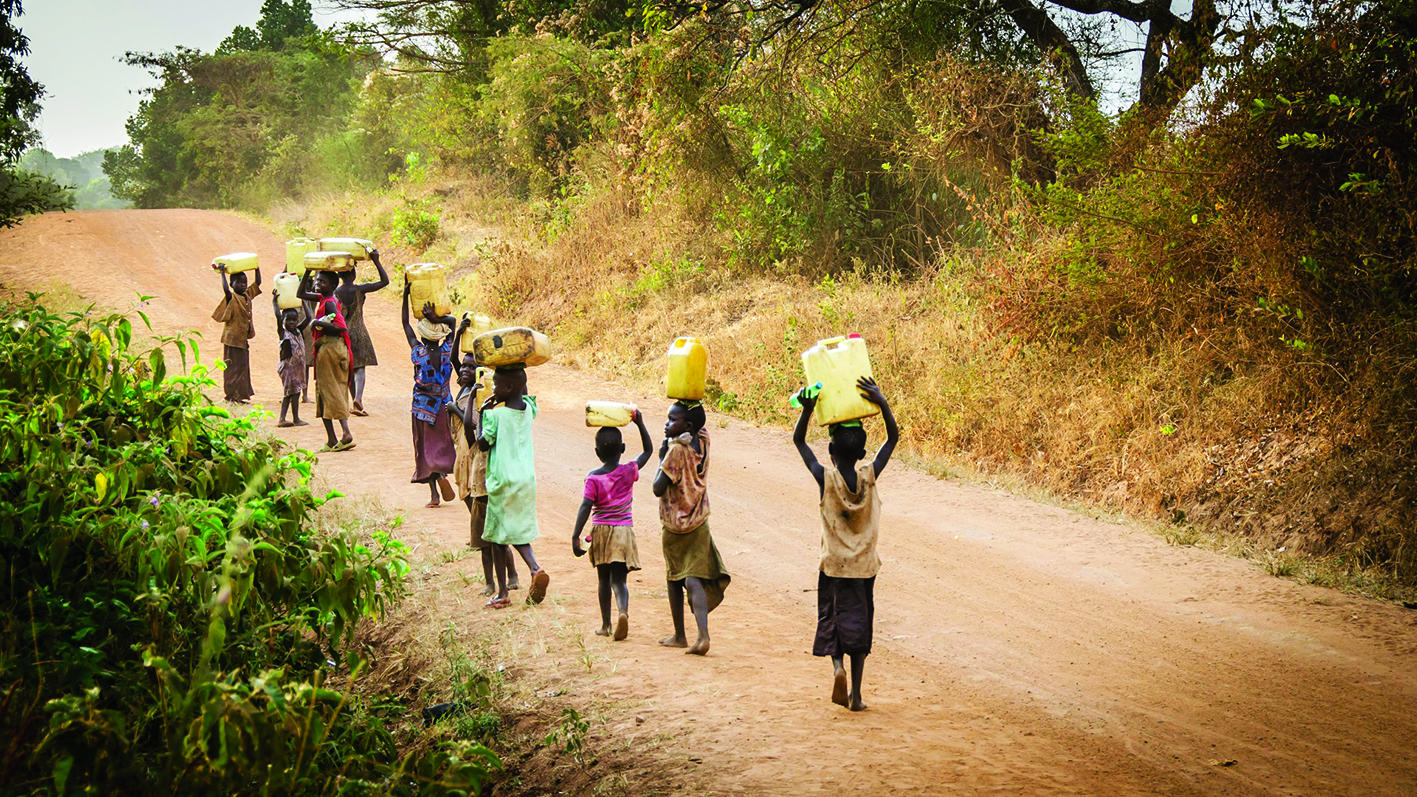
However, less than four years before their 2030 deadline, the SDGs have stalled, with at least 826-million people in the world living on less than $3 (R52) a day, 71% of them in sub-Saharan Africa. According to the 2026 SDG Report, 2.1-billion people face moderate or severe food insecurity and lack safe drinking water.
The face of leadership remains largely male, while 273-million children and youth are not in school.
The stalled progress in the pursuit of SDGs led Mbeki to challenge the Cape Town Conversation to lead to “changing the human condition for the better”.
“Shouldn’t we be exercising our minds about this thing to say: ‘We can’t continue with a situation where there are human beings in the world … still suffering from extreme poverty?’” Mbeki implored.
Isolationism replacing multilateralism
Amid a changing new world order where multilateralism is being eroded and replaced by isolationism, some of the discussions explored the role of BRICS in filling the gaps left by an increasingly inward-looking old order.
The gathering warned that the Global South, particularly BRICS, would have to drive the reforms needed.
US President Donald Trump’s sweeping aid cuts last year crippled the development agenda, creating an annual $4-trillion financing gap.
For many developing nations, the cuts have been compounded by heavy sovereign debt burdens and record-high global military spending, according to the UN.
United Global South
The general consensus was for the Global South to forge ahead as a united front. India’s former minister of commerce and industry, Anand Sharma, said the global challenges could not be managed in isolation.
Former prime minister of Monaco Serge Telle said the Global South could help create a better balance of power across the world. “We are one humanity, and we should move in the same direction,” Telle said.
“Periods of turmoil are exciting because they can open new possibilities,” said Dr Lina
Khatib, the director of Global Policy and Systemic Risks at the Security Futures Lab at Oxford University. She said the crises were exposing long-neglected inequalities in access to economic resilience.
The artificial intelligence race was another avenue for opportunity for the Global South. ORF president Samir Saran said the bloc “cannot afford to be only a market for AI”. India and Africa, which accounted for a third of humanity, and the youngest global populations, “must be a maker of it (AI), in its own languages and for its own people”.
UN Resident Coordinator in South Africa, Nelson Ruffuh said: “We cannot continue to lament that Africa exports raw materials while many of our markets remain too fragmented.” He also noted the need for the reform of the international financial architecture.
• Majoro attended the Cape Town Conversation courtesy of the Thabo Mbeki Foundation.
- Former president Thabo Mbeki has called for urgent action to ensure that the Sustainable Development Goals (SDGs) are back on the global agenda, saying they were “our most effective blueprint for peace, prosperity and sustainability”.
- Mbeki was addressing the Cape Town Conversation last week, where he made the plea for the SDGs to return to the centre of global decision-making.
- Platform for partnerships For the past four years, The Cape Town Conversation, a partnership between the Thabo Mbeki Foundation and Observer Research Foundation (ORF), has provided a platform for global policymakers, business leaders, multilateral institutions, researchers, civil society and other stakeholders to explore partnerships and shared ambitions.
- UN member states adopted the SDGs in 2015, prioritising poverty eradication, improving access to health, education and clean water, while reducing inequality, spurring economic growth and tackling climate change.
- Stalled SDGs However, less than four years before their 2030 deadline, the SDGs have stalled, with at least 826-million people in the world living on less than $3 (R52) a day, 71% of them in sub-Saharan Africa.


