


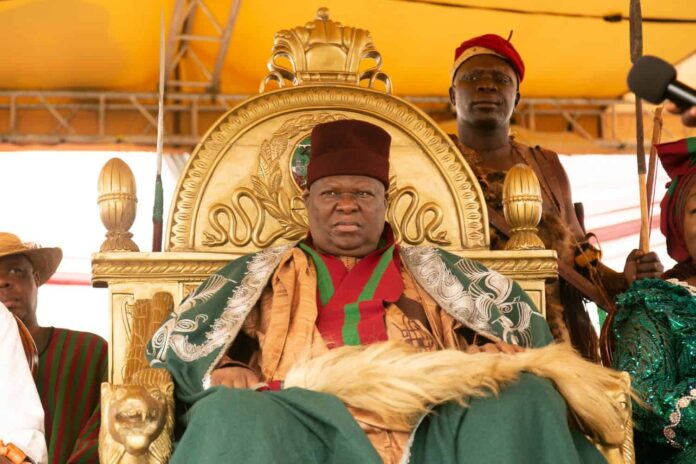
South Africa has raised concerns with the Nigerian government over the controversial installation of an unrecognised ‘Igbo King’ in the Eastern Cape, the involvement of some Nigerian nationals in organised crime, and attacks on law enforcement officers during a high-level diplomatic mission to Abuja.
Minister of International Relations and Cooperation Ronald Lamola, who travelled to Nigeria as President Cyril Ramaphosa’s special envoy, delivered an official message from the president to Nigerian President Bola Ahmed Tinubu before leading talks aimed at easing growing tensions between the two countries.
Strengthening bilateral relations
According to the Department of International Relations and Cooperation (Dirco), the discussions focused on strengthening bilateral relations while addressing issues that have strained ties in recent months.
Among South Africa’s concerns was the March 2026 installation of an individual claiming the title of Igbo King in the Eastern Cape, a move that sparked widespread public debate and questions about the country’s constitutional framework governing traditional leadership.
Lamola also raised concerns over the alleged involvement of some Nigerian nationals in organised crime, including illicit drug trafficking and financial fraud.
Dirco said that, as of July 7 2026, more than 500 Nigerian nationals had been processed through South Africa’s criminal justice system for various offences.
The minister further highlighted incidents where law enforcement officials had allegedly faced violent resistance during operations, particularly in hijacked residential and commercial buildings in Johannesburg’s Hillbrow and Pretoria’s Sunnyside, where criminal activity has become entrenched.
“Regrettably, these incidents have fuelled negative perceptions surrounding Nigerian nationals living in South Africa over the years. Addressing these challenges firmly, fairly and within the bounds of the law is vital for the well-being of both our nations,” Lamola said.
Arrests of Nigerian nationals
During the talks, both delegations discussed the arrests and prosecution of Nigerian nationals in South Africa.
Lamola stressed that the arrests were based on evidence against individuals suspected of criminal activity and were not aimed at the broader Nigerian community living legally in South Africa.
The Nigerian delegation acknowledged the need to hold offenders accountable but stressed that all suspects should be afforded due process, fair trials and humane treatment.
Both countries also agreed to discourage inflammatory public rhetoric that could fuel hostility or violence.
South Africa condemns xenophobia
Lamola reiterated that the South African government condemns xenophobia, racism and all forms of discrimination, warning that criminality could never justify attacks on foreign nationals.
“Law enforcement remains the exclusive prerogative of the state,” Lamola said.
“While South Africa will not tolerate criminal activity by any individual regardless of nationality, we equally will not permit vigilante action or xenophobic violence against foreign nationals residing in our country.”
The two governments agreed that migration, organised crime and public safety challenges should continue to be addressed through diplomatic engagement, security cooperation and respect for constitutional and human rights.
- South Africa raised concerns with Nigeria over the installation of an unrecognised 'Igbo King' in Eastern Cape and involvement of some Nigerian nationals in organised crime.
- Minister Ronald Lamola delivered President Ramaphosa’s message to Nigerian President Tinubu and led talks to ease bilateral tensions.
- Over 500 Nigerian nationals have been processed for crimes in South Africa, with some law enforcement officers facing violent resistance during operations.
- Both countries agreed on the importance of due process, fair trials, humane treatment, and discouraging inflammatory rhetoric against Nigerians.
- South Africa condemned xenophobia and vigilante violence, emphasizing law enforcement as a state responsibility and calling for continued diplomatic cooperation.


