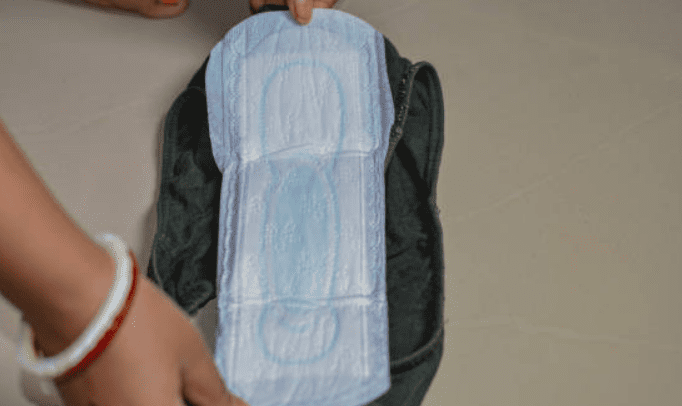
On Wednesday, the Department of Higher Education and Training (DHET) presented to members of parliament the state of menstrual hygiene and sanitary dignity support for Post-School Education and Training (PSET) students. The message was: while progress has been made, a sustainable, adequately funded national approach is urgently needed.
During the presentation, Dr Nomusa Dube-Ncube, the Deputy Minister of Higher Education and Training, said the period poverty in schools and higher learning education is a hinderance to young women’s success.
The value of humanity
The sitting was on the provision of free menstrual hygiene products for girls and women at the parliament good hope chambers. For the deputy minister, this conversation is about the basic access and fairness that a young woman needs to succeed. She also said that the government needs to remember that giving out sanitary towels is not an act of charity but a way for young women and society to learn about the value of humanity.
Menstruation in society has been treated as a private shame rather than a public priority, hence as Walter Tebogo Letsie, the committee chairperson and a member of parliament, opened the meeting by saying that women are in a crisis where they have to choose between staying home and being dignified or going out and being embarrassed because they don’t have R10 to buy pads.
This is a sad reality and for thousands of young women across South Africa’s universities and Technical and Vocational Education and Training (TVET) colleges, the lack of access to sanitary products remains a silent barrier to education, dignity, and success.
More than a “She” issue
Dube-Ncube powerfully articulated during the colloquium: “We must never at any point consider that the provision of sanitary products is an act of charity or goodwill. It is in fact just a catching up exercise to the value of humanity, and women we tend to purport as a society.”
Higher education funding and sanitary
In most instances, the main source of funding is the National Student Financial Aid Scheme (NSFAS), and while much of the public conversation focuses on dedicated sanitary dignity programmes such as the Department of Women, Youth and Persons with Disabilities (DWYPD), through its Sanitary Dignity Programme, the support for menstrual health in higher education from NSFAS seems to be sustainable for young women.
Even so, NSFAS does not provide a separate stipend for sanitary products, it is embedded within a universal personal care allowance which every student gets, regardless of gender. NSFAS provides the following allowance packages:
- Living Allowance (R1,716 per month) for food and meals
- Accommodation Allowance for college-owned or approved private residences
- Transport Allowance for daily commuting (students who live closer to campus and do not qualify for accommodation); and
- Personal Care Allowance for basic necessities
The DHET’s briefing notes explain, female students in PSET institutions are adults, not girls. By providing a personal care allowance that students manage themselves, the department aims to protect their agency, dignity, and independence.
Fragmented support challenges
Despite this above mentioned foundation, the current system faces significant limitations. The DWYPD has run a Sanitary Dignity Programme since 2019, delivering free disposable sanitary pads to indigent girls and women. However, this programme’s reach into the PSET sector has been limited.
Similarly, Higher Health the department’s implementation entity for health and wellness services — has raised donations from the World Bank and private sector, distributing approximately 150,000 sanitary dignity packs annually to historically disadvantaged universities and TVET colleges.
Even so, the DHET acknowledged: “The above in-kind donations are minimal and non-sustainable. The reality is that there is no additional funding in the fiscus available to augment this programme.”
A recommendation
The department’s recommendation is that government, through National Treasury, must increase allocated funding resources to build a sustainable and accessible sanitary programme similar to the long-standing condom programme. This, according to DHET, would move the sector from ad hoc, donation-dependent interventions to a coordinated, adequately funded national approach that ensures consistent and dignified access for all students.
While the conversation is on product access, the deputy minister hints at broader considerations: “understanding that period dignity includes the consideration of illnesses that women suffer from silently, illnesses like polycystic ovary syndrome, endometriosis and fibrosis which also happen to statistically affect Black women more, we must also consider if this isn’t also a race issue.”
DHET has identified three priority areas
- Policy alignment and standardization – establishing clear guidelines for consistent approaches across all PSET institutions
- Sustainable funding models – exploring innovative mechanisms, including public-private partnerships
- Dignity-centered implementation – ensuring access is safe, private, and stigma-free
The message from the department is :”Sanitary dignity is not a ‘women’s issue’. It is a national development issue. When students are supported in their basic needs, they are better able to succeed academically, contribute meaningfully to society, and participate fully in the economy.”
Visit SW YouTube Channel for our video content
- On Wednesday, the Department of Higher Education and Training (DHET) presented to members of parliament the state of menstrual hygiene and sanitary dignity support for Post-School Education and Training (PSET) students.
- The message was: while progress has been made, a sustainable, adequately funded national approach is urgently needed.
- During the presentation, Dr Nomusa Dube-Ncube, the Deputy Minister of Higher Education and Training, said the period poverty in schools and higher learning education is a hinderance to young women’s success.
- The value of humanity The sitting was on the provision of free menstrual hygiene products for girls and women at the parliament good hope chambers.
- For the deputy minister, this conversation is about the basic access and fairness that a young woman needs to succeed.
On Wednesday, the Department of Higher Education and
Menstruation in society has been treated as a private shame rather than a public priority, hence as Walter Tebogo Letsie, the committee chairperson and a member of parliament, opened the meeting by saying that women are in a crisis where they have to choose between staying home and being dignified or going out and being embarrassed because they don't have R10 to buy pads.
Dube-Ncube powerfully articulated during the colloquium: "We must never at any point consider that the provision of sanitary products is an act of charity or goodwill. It is in fact just a catching up exercise to the value of humanity, and women we tend to purport as a society."
In most instances, the main source of funding is the National Student Financial Aid Scheme (NSFAS), and while much of the public conversation focuses on dedicated sanitary dignity programmes such as the Department of Women,
Even so, NSFAS does not provide a separate stipend for sanitary products, it is embedded within a universal personal care allowance which every student gets, regardless of gender. NSFAS provides the following allowance packages:
Living Allowance (R1,716 per month) for food and meals- Accommodation Allowance for college-owned or approved private residences
- Transport Allowance for daily commuting (students who live closer to campus and do not qualify for accommodation); and
- Personal Care Allowance for basic necessities
Despite this above mentioned foundation, the current system faces significant limitations.
Similarly, Higher
Even so, the DHET acknowledged: "
While the conversation is on product access, the deputy minister hints at broader considerations: "understanding that period dignity includes the consideration of illnesses that women suffer from silently, illnesses like polycystic ovary syndrome, endometriosis and fibrosis which also happen to statistically affect Black women more, we must also consider if this isn't also a race issue."
- Policy alignment and standardization – establishing clear guidelines for consistent approaches across all PSET institutions
- Sustainable funding models – exploring innovative mechanisms, including public-private partnerships
- Dignity-centered implementation – ensuring access is safe, private, and stigma-free
Visit SW YouTube Channel for our video content