


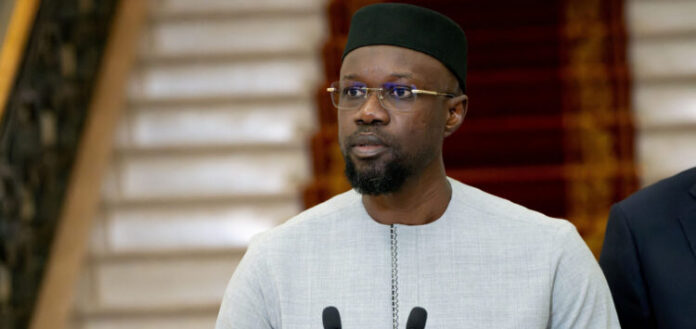
Senegal’s Pastef party, which holds a large majority in the National Assembly, said it would not pass the government’s revised budget, reinforcing doubts over how quickly the country can push ahead with its debt restructuring.
• A statement by the party headed by former prime minister Ousmane Sonko cited “disagreements over certain budgetary decisions, the chosen financing arrangements and the insufficient guarantees provided to parliament”, though it said the party was open to engaging with the government on getting a new budget in place.
• The West African nation has been grappling with a debt burden that had reached 132% of gross domestic product by the end of 2024, International Monetary Fund figures show, after the government uncovered billions of dollars in misreported borrowing by the previous administration.
• The government reached a staff-level agreement with the IMF in early September for a $2.2 billion (R36 billion), 36-month Extended Credit Facility to support its reform programme. But without parliamentary approval of the revised budget, the government risks delaying the IMF programme, which underpins its entire debt restructuring strategy.
• Prime Minister Ahmadou Al Aminou Lo plans to hold a press conference on Sunday to discuss the revised budget “which is intended to implement a revised framework aimed at improving the quality of life of Senegalese people”.
• The amended 2026 budget bill paints a sharply deteriorating fiscal picture. It cuts real GDP growth to 2.7% from roughly 5% in the original budget and widens the deficit to 7.6% of GDP from 5.4%, driven largely by a tripling of energy subsidies to 790.3 billion CFA francs ($1.36 billion) from 250 billion.
- Senegal's Pastef party, holding a majority in the National Assembly, refused to pass the government's revised budget due to disagreements over budgetary decisions, financing, and guarantees to parliament.
- Pastef, led by former prime minister Ousmane Sonko, remains open to engaging with the government to establish a new budget.
- Senegal's debt burden reached 132% of GDP by the end of 2024, partly due to billions in misreported borrowing from the previous administration.
- The government secured a $2.2 billion IMF Extended Credit Facility in September, but faces delays in the program without parliamentary budget approval.
- The revised 2026 budget projects lower GDP growth at 2.7%, increases the deficit to 7.6% of GDP, and significantly raises energy subsidies to 790.3 billion CFA francs.


