


Sixteen officials in the Department of Public Works and Infrastructure have been flagged as high-risk for unexplained wealth, suspicious cash deposits and undisclosed business interests worth R9.8 million.
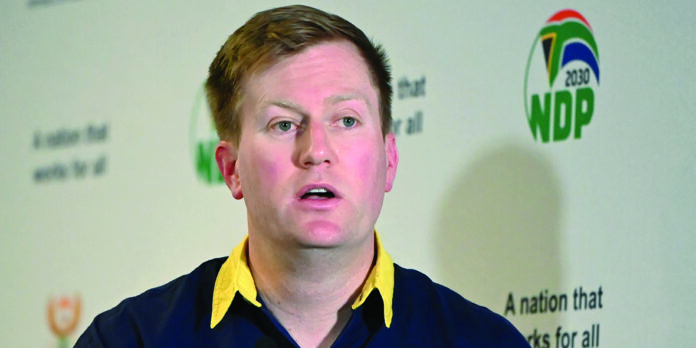
The findings emerged from lifestyle audits under minister Dean Macpherson.
“Formal lifestyle audit clearance letters are being withheld from the 16 high-risk individuals,” departmental spokesperson Lennox Mabaso told Sunday World on Friday. “Consequence management proceedings are being pursued against all non-responsive and non-compliant employees.”
The department did not disclose how many employees had been charged, suspended or referred to law-enforcement authorities. It declined to name the officials, citing ongoing investigations, labour relations requirements and legislation protecting personal information.
What the audits scrutinised
The audits uncovered undeclared company directorships, income-generating assets, unregistered private money-lending operations and unauthorised remunerative work outside the public service. Investigators also identified unexplained liquidity in personal bank accounts, high levels of indebtedness and inconsistencies in employees’ declared qualifications.
Some officials allegedly resisted scrutiny by withholding complete bank statements, delaying responses to investigators or failing to cooperate.
Special Investigating Unit deployed
Mabaso said several cases overlapped with suspensions and disciplinary proceedings. The department was working with the Special Investigating Unit, which had deployed dedicated investigators. “High-risk cases have been recommended for formal SIU referral regarding unexplained cash, assets and other inconsistencies,” he said.
Parliament piles on the pressure
The revelations come as Parliament piles on the pressure. After a parliamentary briefing on November 11, portfolio committee on public service and administration chairperson Jan de Villiers warned that identifying unexplained wealth was insufficient without decisive action.
“We must act against officials who abuse their positions for personal enrichment,” De Villiers said. “South Africans do not just want offenders to be identified. They want them to be prosecuted and sentenced to the full extent of the law.”
He urged departments to institute disciplinary proceedings, suspend implicated officials where justified and refer suspected criminal conduct to law-enforcement authorities.
The committee demanded detailed reports showing how many investigations had been completed, how many officials had faced disciplinary action and whether criminal prosecutions had followed. MPs expressed concern that some investigations collapsed when officials resigned or their employment contracts expired.
De Villiers said corruption deprived communities of essential services. “Every rand stolen reduces the resources available for providing clean water, quality healthcare, housing and other public services to those who need it,” he said.
Lifestyle audits became compulsory across national and provincial government departments in April 2022.
Macpherson, who became the minister in 2024, has made the audits an anti-corruption priority. In July last year, he announced plans to scrutinise 400 high-risk officials, with an initial group of 69 undergoing lifestyle audits.
The department rejected reports linking six of its employees to suspected government business dealings worth R9.8 million and another 19 to companies registered on the Central Supplier Database. Mabaso said the figures were related to another department.
He said Macpherson and departmental leadership maintained oversight of the programme. The accounting officer had recently received the report and the process of presenting it to the executive authority was under way.
- Sixteen officials in the Department of Public Works and Infrastructure have been flagged as high-risk for unexplained wealth, suspicious cash deposits and undisclosed business interests worth R9.8 million.
- The findings emerged from lifestyle audits under minister Dean Macpherson.
- It declined to name the officials, citing ongoing investigations, labour relations requirements and legislation protecting personal information.


