


South Africa expects Washington to spell out tomorrow what Pretoria must do to retain its preferential trade benefits under the African Growth and Opportunity Act (Agoa).
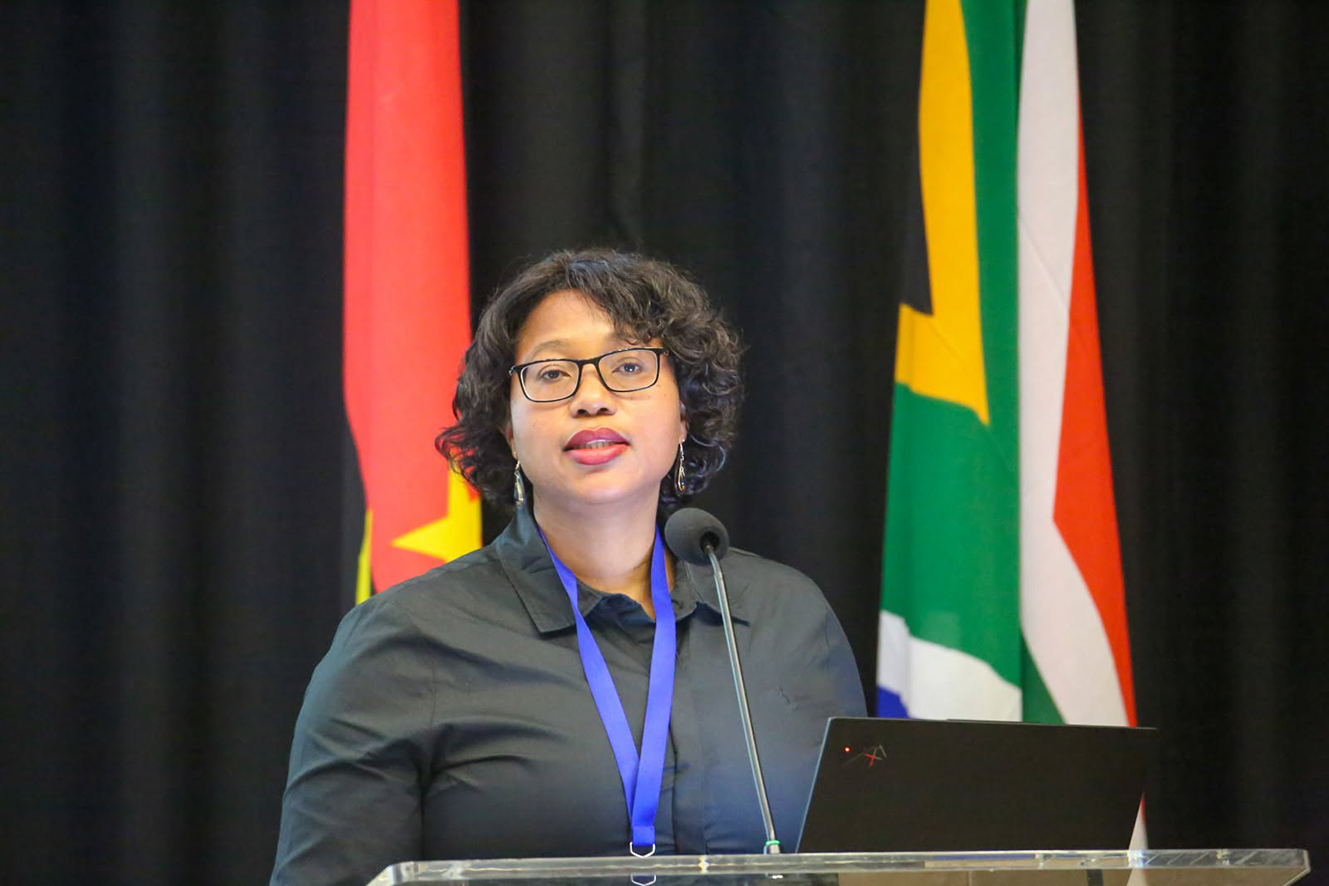
Xolelwa Mlumbi-Peter, a senior South African trade official, told Sunday World that the communication would guide the next phase of engagements between the two countries, after US President Donald Trump’s announcement on Monday that South Africa and Rwanda would lose their Agoa eligibility from January 1.
“As a result, no engagements have taken place between SA and the US, pending receipt of such a communication from the US.
“It is expected that such communication will be received in the week of 9 November 2026,” she said.
Previous discussions
The expected communication comes after months of discussions between the two countries, including two rounds of talks at senior officials’ level and a ministerial meeting in September.
South Africa subsequently submitted a response to Washington last month. However, Pretoria is yet to formulate a revised proposal or identify further concessions it might be prepared to make.
“SA will formulate its response after receiving communication from the US. It will be premature to pre-empt what the US will indicate as outstanding issues,” Mlumbi-Peter said.
Outstanding issues
Among the issues previously raised by Washington are sanitary concerns relating to pork, tariffs on pork and poultry, as well as broad-based BEE. Mlumbi-Peter said it was unclear whether that would constitute the full list of outstanding issues in the communication expected next week.
The dispute has also exposed a complication in the regional trade negotiations involving the Southern African Customs Union, which comprises South Africa, Botswana, Lesotho, Namibia and Eswatini.
Sacu submitted a tariff offer to the US in January this year to conclude a trade agreement and preserve the member states’ Agoa benefits.
Sacu matter
However, Mlumbi-Peter said Washington insisted on negotiating with individual countries rather than engaging the customs union as a bloc.
She said that position had stalled tariff discussions because Sacu operated under a common external tariff and its 2002 agreement requires member states to negotiate trade agreements with third parties as a bloc. “Consequently, there has not been any movement on tariff discussions.”
Mlumbi-Peter added that any US requests involving tariffs or anti-dumping duties would require South Africa to consult its Sacu partners, with decisions taken collectively.
US midterm elections
The trade official said the outcome of the US midterm elections could create opportunities for further political engagement, given Agoa’s bipartisan support in Congress. However, she cautioned that Congress did not make individual country eligibility decisions. Congress had delegated responsibility for Agoa eligibility reviews to the US president through the Office of the US Trade Representative.
While US lawmakers could engage the administration through broader policy discussions, there had been no direct indication from Washington that it was prepared to reconsider South Africa’s exclusion.
US benefits too
Mlumbi-Peter said South Africa’s trade relationship with the US also benefited American businesses and workers. South African citrus exports, which she said supported more than 25 000 jobs in the US, as well as the supply of radioisotopes used in cancer treatment.
Mlumbi-Peter also highlighted the South African boat-building industry’s reliance on navigation systems, white goods and other materials sourced from US suppliers. Losing Agoa benefits could increase the cost of products and affect demand for US goods used by South African manufacturers.
Mlumbi-Peter said South Africa’s exposure to the loss of Agoa should also be viewed in the context of its wider trade relationship with the US. Agoa accounted for 11% of South Africa’s exports to the US and 1% of its global exports.
She said 89% of South African exports to the US entered under the World Trade Organisation’s most-favoured-nation tariff arrangements.
She added that South African exports would face average tariffs of between 0% and 3%. Companies had indicated they would continue exporting to the US despite the expected impact.
In a statement on Wednesday, key US lawmakers urged the US Trade Representative and the White House to engage with South Africa in good faith during the 60-day notification period to explore measures that could address Washington’s concerns and protect the relationship.
They warned that removing South Africa from Agoa could undermine American economic interests and give China a strategic advantage.
- South Africa expects the US to specify requirements by the week of November 9, 2026, to retain its Agoa preferential trade benefits after President Trump announced South Africa and Rwanda would lose eligibility from January 1.
- Washington's previously raised issues include sanitary concerns on pork, tariffs on pork and poultry, and broad-based BEE, but it is unclear if these are the full list of outstanding issues.
- The Southern African Customs Union (SACU) submitted a tariff offer to the US in January, but US insistence on negotiating with individual countries has stalled tariff discussions due to SACU's collective trade agreements.
- Agoa accounted for 11% of South Africa's exports to the US and 1% of its global exports, with 89% of South African exports to the US already entering under WTO most-favoured-nation tariff arrangements.
- Key US lawmakers urged engagement with South Africa during the 60-day notification period to address concerns, warning that removing South Africa from Agoa could harm US economic interests and advantage China.
South Africa expects Washington to spell out tomorrow what Pretoria must do to retain its preferential trade benefits under the African Growth and Opportunity Act (Agoa).
Xolelwa Mlumbi-Peter, a senior South African trade official, told Sunday World that the communication would guide the next phase of engagements between the two countries, after US President Donald Trump’s announcement on Monday that South Africa and Rwanda would lose their Agoa eligibility from January 1.
“As a result, no engagements have taken place between SA and the US, pending receipt of such a communication from the US.
“It is expected that such communication will be received in the week of 9 November 2026,” she said.
The expected communication comes after months of discussions between the two countries, including two rounds of talks at senior officials’ level and a ministerial meeting in September.
South Africa subsequently submitted a response to Washington last month. However, Pretoria is yet to formulate a revised proposal or identify further concessions it might be prepared to make.
“SA will formulate its response after receiving communication from the US. It will be premature to pre-empt what the US will indicate as outstanding issues,” Mlumbi-Peter said.
Among the issues previously raised by Washington are sanitary concerns relating to pork, tariffs on pork and poultry, as well as broad-based BEE. Mlumbi-Peter said it was unclear whether that would constitute the full list of outstanding issues in the communication expected next week.
The dispute has also exposed a complication in the regional trade negotiations involving the Southern African Customs Union, which comprises South Africa, Botswana, Lesotho, Namibia and Eswatini.
Sacu submitted a tariff offer to the US in January this year to conclude a trade agreement and preserve the member states’ Agoa benefits.
However, Mlumbi-Peter said Washington insisted on negotiating with individual countries rather than engaging the customs union as a bloc.
She said that position had stalled tariff discussions because Sacu operated under a common external tariff and its 2002 agreement requires member states to negotiate trade agreements with third parties as a bloc. “Consequently, there has not been any movement on tariff discussions.”
Mlumbi-Peter added that any US requests involving tariffs or anti-dumping duties would require South Africa to consult its Sacu partners, with decisions taken collectively.
The trade official said the outcome of the US midterm elections could create opportunities for further political engagement, given Agoa’s bipartisan support in Congress. However, she cautioned that Congress did not make individual country eligibility decisions. Congress had delegated responsibility for Agoa eligibility reviews to the US president through the Office of the US Trade Representative.
While US lawmakers could engage the administration through broader policy discussions, there had been no direct indication from Washington that it was prepared to reconsider South Africa’s exclusion.
Mlumbi-Peter said South Africa’s trade relationship with the US also benefited American businesses and workers. South African citrus exports, which she said supported more than 25 000 jobs in the US, as well as the supply of radioisotopes used in cancer treatment.
Mlumbi-Peter also highlighted the South African boat-building industry’s reliance on navigation systems, white goods and other materials sourced from US suppliers. Losing Agoa benefits could increase the cost of products and affect demand for US goods used by South African manufacturers.
Mlumbi-Peter said South Africa’s exposure to the loss of Agoa should also be viewed in the context of its wider trade relationship with the US. Agoa accounted for 11% of South Africa’s exports to the US and 1% of its global exports.
She said 89% of South African exports to the US entered under the World Trade Organisation’s most-favoured-nation tariff arrangements.
She added that South African exports would face average tariffs of between 0% and 3%. Companies had indicated they would continue exporting to the US despite the expected impact.
In a statement on Wednesday, key US lawmakers urged the US Trade Representative and the White House to engage with South Africa in good faith during the 60-day notification period to explore measures that could address Washington’s concerns and protect the relationship.
They warned that removing South Africa from Agoa could undermine American economic interests and give China a strategic advantage.


