


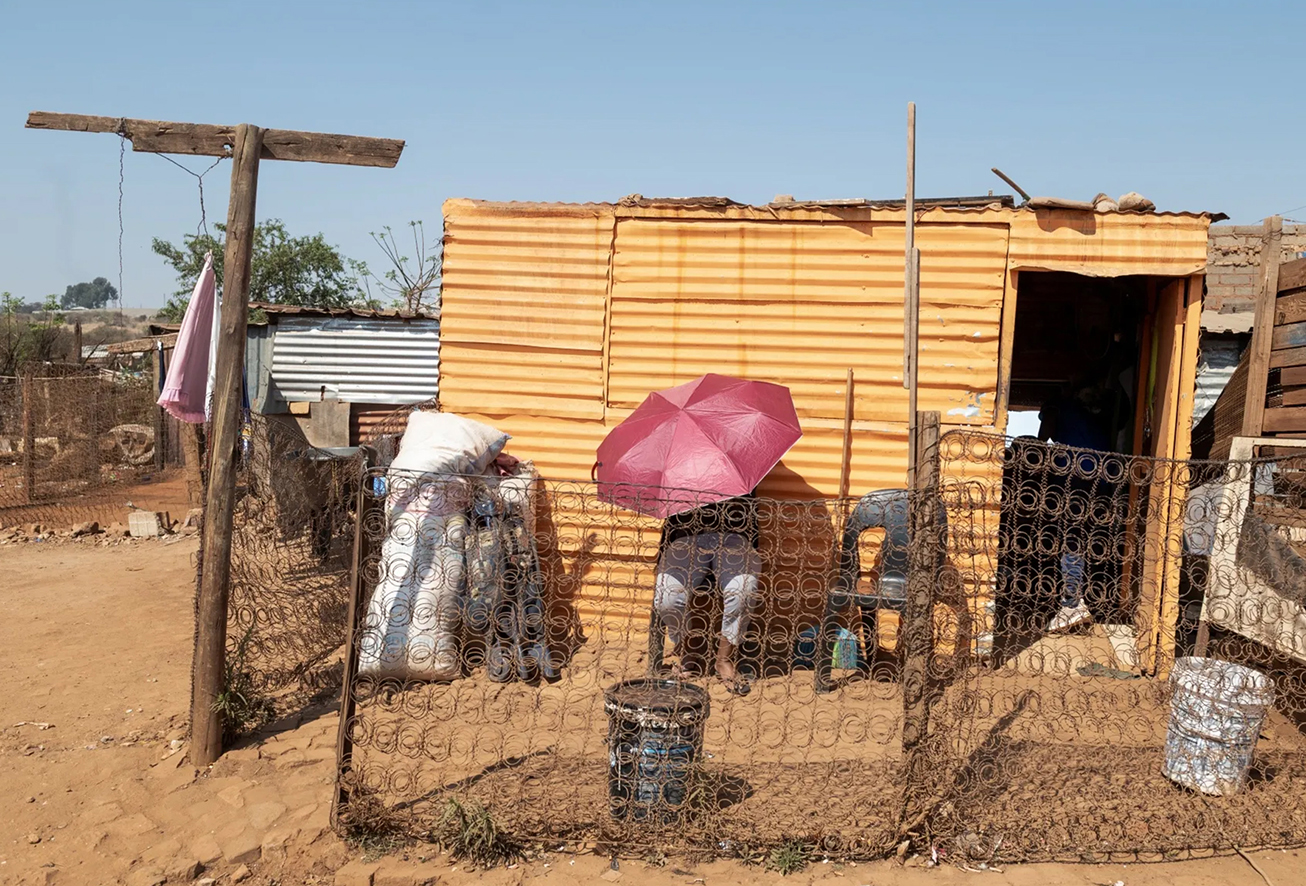
For many South Africans, a very hot day can lead to dehydration, heat exhaustion, heatstroke and worsening illness, especially where people work outdoors, live in poorly insulated homes or struggle to access water and cooling.
The danger is becoming more urgent. The South African Weather Service has forecast a strengthening El Niño this summer, with above-normal temperatures expected across much of the country and below-normal rainfall in important summer-rainfall areas,
including Gauteng and parts of the Northern Cape. El Niño is a natural climate pattern that can shift temperatures and rainfall.
A recent report projected that South Africa could experience about 1 200 additional heat-related deaths between September and February. It is a warning that early planning and practical protection cannot wait.
Accelerating Heat Resilience in South Africa initiative
That is why the Accelerating Heat Resilience in South Africa initiative (Ahrisa) was launched on September 28. Funded by The Rockefeller Foundation and building on the Gauteng Heat Action Plan work supported by the World Bank, the two-year project brings together the Foundation for Professional Development, the South African Medical Research Council, the South African Weather Service and Planact NGO.
Ahrisa’s goal is to turn evidence and weather information into action that reaches people before and during dangerous heat. The project will develop health-based heat thresholds, strengthen heat-health early warnings, train frontline workers, help institutions prepare response plans and work with communities.
In Hammanskraal, in the City of Tshwane, Ahrisa will work with informal-settlement residents, early childhood development centres and primary-school community. The measures include heat-health information, and training for frontline health workers. In Kakamas in the Northern Cape, the focus will be on outdoor agricultural workers, including early-warning bulletins and work-rest-hydration guidance.
Heat-health training will also reach selected areas in the Western Cape. The project will support the people and institutions expected to act when temperatures become dangerous. This includes healthcare workers and community-facing responders.
Extreme heat does not affect everyone equally. Children, older people, pregnant women, people living with chronic conditions, outdoor workers and residents of informal settlements can face greater danger.
Ahrisa’s longer-term purpose is to test a practical model that can be adopted more widely: evidence linked to warnings, warnings linked to prepared institutions and prepared institutions linked to protective action in communities. With earlier warnings, trained responders and practical community action, we can prevent avoidable illness and save lives.
• Maimela is the chief executive officer of the Foundation for Professional Development
- The South African Weather Service has forecast a strengthening El Niño this summer, with above-normal temperatures and below-normal rainfall in key areas like Gauteng and parts of the Northern Cape.
- A recent report projected about 1,200 additional heat-related deaths in South Africa between September and February due to extreme heat.
- The Accelerating Heat Resilience in South Africa initiative (Ahrisa) was launched on September 28 to address heat-related risks through early warnings, training, and community action.
- Ahrisa's two-year project involves the Foundation for Professional Development, the South African Medical Research Council, the South African Weather Service, Planact NGO, and is funded by The Rockefeller Foundation.
- The project targets vulnerable groups such as outdoor workers, informal-settlement residents, children, older people, and healthcare workers in regions including Hammanskraal, Kakamas, and parts of the Western Cape.
For many South Africans, a very hot day can lead to dehydration, heat exhaustion, heatstroke and worsening illness, especially where people work outdoors, live in poorly insulated homes or struggle to access water and cooling.
The danger is becoming more urgent. The South African Weather Service has forecast a strengthening El Niño this summer, with above-normal temperatures expected across much of the country and below-normal rainfall in important summer-rainfall areas,
including Gauteng and parts of the Northern Cape. El Niño is a natural climate pattern that can shift temperatures and rainfall.
A recent report projected that South Africa could experience about 1 200 additional heat-related deaths between September and February. It is a warning that early planning and practical protection cannot wait.
That is why the Accelerating Heat Resilience in South Africa initiative (Ahrisa) was launched on September 28. Funded by The Rockefeller Foundation and building on the Gauteng Heat Action Plan work supported by the World Bank, the two-year project brings together the Foundation for Professional Development, the South African Medical Research Council, the South African Weather Service and Planact NGO.
Ahrisa’s goal is to turn evidence and weather information into action that reaches people before and during dangerous heat. The project will develop health-based heat thresholds, strengthen heat-health early warnings, train frontline workers, help institutions prepare response plans and work with communities.
In Hammanskraal, in the City of Tshwane, Ahrisa will work with informal-settlement residents, early childhood development centres and primary-school community. The measures include heat-health information, and training for frontline health workers. In Kakamas in the Northern Cape, the focus will be on outdoor agricultural workers, including early-warning bulletins and work-rest-hydration guidance.
Heat-health training will also reach selected areas in the Western Cape. The project will support the people and institutions expected to act when temperatures become dangerous. This includes healthcare workers and community-facing responders.
Extreme heat does not affect everyone equally. Children, older people, pregnant women, people living with chronic conditions, outdoor workers and residents of informal settlements can face greater danger.
Ahrisa’s longer-term purpose is to test a practical model that can be adopted more widely: evidence linked to warnings, warnings linked to prepared institutions and prepared institutions linked to protective action in communities. With earlier warnings, trained responders and practical community action, we can prevent avoidable illness and save lives.
• Maimela is the chief executive officer of the Foundation for Professional Development


