
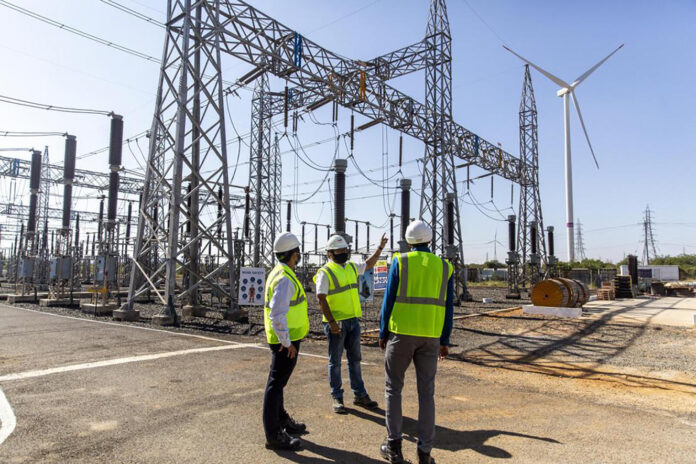
Just a few years ago South Africa’s energy situation looked bleak, with power outages sometimes exceeding eight hours a day. Communities and businesses endured severe stages of load shedding, disrupting economic activity and eroding public confidence. It became distinctly clear that urgent and coordinated intervention was needed to change the trajectory of our electricity grid.
This turning point materialised through the establishment of the National Energy Crisis Committee (Necom) in 2022, which was a decisive response to an escalating national emergency as the nation experienced some of the most severe power cuts. Necom was created with a clear mandate to fix Eskom, reduce load shedding and expand new sources of power.
Power grid stabilisation
It brought together high-level officials from across government, Eskom, business and social partners to stabilise the grid and unlock new energy investments. All of these efforts we now all recall were captured in what became popularly known as the Energy Action Plan or EAP.
The results now speak for themselves. In March this year, South Africa recorded 300 consecutive days without load shedding. Furthermore, our Energy Availability Factor is consistently above 65%, and on some occasions exceeded 70%, marking a significant improvement in operational performance. These gains are not accidental and are a result of targeted, specialised work, which includes improved operational stability, more efficient power station performance, and a coordinated push for wind, solar, gas and battery storage solutions.
The success of Necom highlights an important truth that when the nation focuses its attention, expertise and resources into a single, clearly defined problem, meaningful progress becomes possible. Our experience in energy reform shows what specialised committees can achieve when they are empowered to act with urgency and accountability.
National Logistics Committee
Substantial improvement was also achieved in our freight logistics system through the National Logistics Crisis Committee which was established in 2023. Key achievements include improving public-private partnerships with a notable increase of slots on 41 routes across six corridors for eleven private train operators and 75% reduction of vessel anchorage times at Durban Port. With Durban Pier 2 welcoming private operators, we expect to unlock R200-billion in investment by 2030.
Similar models are already yielding results also under the banner of the District Development Model in the Presidential eThekwini Working Group, a strong intergovernmental and cross-societal initiative aimed at bringing the city back to its glory days. President Cyril Ramaphosa noted, during this year’s State of the Nation Address, “we will expand our support to municipalities that require assistance, drawing on the lessons of the Presidential eThekwini Working Group. We are seeing great progress in eThekwini as we implement the district development model”.
National Water Crisis Committee
Building on these proven models, President Ramaphosa announced the establishment of a National Water Crisis Committee. This is an urgent intervention to address South Africa’s escalating water challenges which include repeated and prolonged water outages, attributed to ageing infrastructure, weak municipal management and underinvestment, as well as illegal connections to the water pipelines in communication siphoning water off to non-paying illegal users, among other issues.
The new committee is mandated to address immediate water supply disruptions through a nationally coordinated response that mobilise technical expertise and resources to priority areas. Over R156-billion has been set aside for water and sanitation infrastructure over the next three years. A further R54-billion incentive has been set aside for metros to reform their water, sanitation and electricity services. This will ensure that revenue collected for water is reinvested into fixing damaged pipes and water leaks, upgrading reservoirs and maintaining pumping stations as we seek to end our current water challenges.
Strengthening accountability
More recently, the Minister of Finance Enoch Godongwana announced that R27.7 billion has been allocated over the medium term to a performance-linked reform for metro trading services in electricity, water, sanitation to rectify maintenance backlogs and ultimately fix water supply.
To ensure that these investments and reforms translate into real improvements on the ground, accountability is also being strengthened in municipalities across the country. Government has already laid criminal charges against 56 municipalities for failing to meet statutory obligations and will pursue charges against Municipal Managers who have violated the National Water Act.
Water outages are not simply operational interruptions; they reflect underlying governance and system challenges, which government is addressing through strengthened coordination, improved public communication, increased awareness on water conservation, and decisive action against illegal connections and losses.
Securing a sustainable future
As we look ahead to the next phase of renewal, specialised committees will play a greater role in securing a sustainable future for our nation. Whether in energy, water, local government or other priority areas, these structures provide the focus, expertise and discipline necessary to resolve long standing challenges.
With strengthened oversight, targeted investment and a renewed commitment to service delivery, government remains firmly committed to delivering the stable energy supply, reliable water services and effective local governance our people deserve.
The work of renewal is already underway, and we can expect positive outcomes and remain optimistic for a sustainable future. As we have seen in the transformation of the energy sector, when we mobilise the full capability of the state toward a clearly defined goal, progress is not only possible; it is inevitable.
*Michael Currin is the deputy director-general for the Government Communication and Information System.
Visit SW YouTube Channel for our video content
- South Africa's energy crisis has significantly improved since the 2022 establishment of the National Energy Crisis Committee (Necom), achieving 300 consecutive days without load shedding and boosting the Energy Availability Factor above 65%.
- The National Logistics Crisis Committee, formed in 2023, enhanced freight logistics with increased train slots on key routes and a 75% reduction in vessel anchorage times at Durban Port, expected to attract R200 billion in investments by 2030.
- Building on these successes, President Ramaphosa launched the National Water Crisis Committee to address water outages caused by aging infrastructure, mismanagement, and illegal connections, supported by over R210 billion in funding for water and sanitation improvements.
- Government is strengthening accountability by pursuing criminal charges against 56 municipalities for service failures and allocating R27.7 billion for performance-linked reforms to address maintenance backlogs in electricity, water, and sanitation services.
- Specialized committees with focused mandates and coordinated efforts are central to South Africa’s strategy for sustainable development, promising further progress in energy, water supply, and local governance through targeted investments and oversight.
Just a few years ago
It brought together high-level officials from across government, Eskom, business and social partners to stabilise the grid and unlock new energy investments. All of these efforts we now all recall were captured in what became popularly known as the Energy Action Plan or EAP.
Substantial improvement was also achieved in our freight logistics system through the National Logistics Crisis Committee which was established in 2023. Key achievements include improving public-private partnerships with a notable increase of slots on 41 routes across six corridors for eleven private train operators and 75% reduction of vessel anchorage times at Durban Port.
Similar models are already yielding results also under the banner of the District Development Model in the Presidential e
More recently, the Minister of Finance Enoch
To ensure that these investments and reforms translate into real improvements on the ground, accountability is also being strengthened in municipalities across the country. Government has already laid criminal charges against 56 municipalities for failing to meet statutory obligations and will pursue charges against Municipal Managers who have violated the National Water Act.
Water outages are not simply operational interruptions; they reflect underlying governance and system challenges, which government is addressing through strengthened coordination, improved public communication, increased awareness on water conservation, and decisive action against illegal connections and losses.
As we look ahead to the next phase of renewal, specialised committees will play a greater role in securing a sustainable future for our nation.
*Michael Currin is the deputy director-general for the Government Communication and Information System.
Visit SW YouTube Channel for our video content