


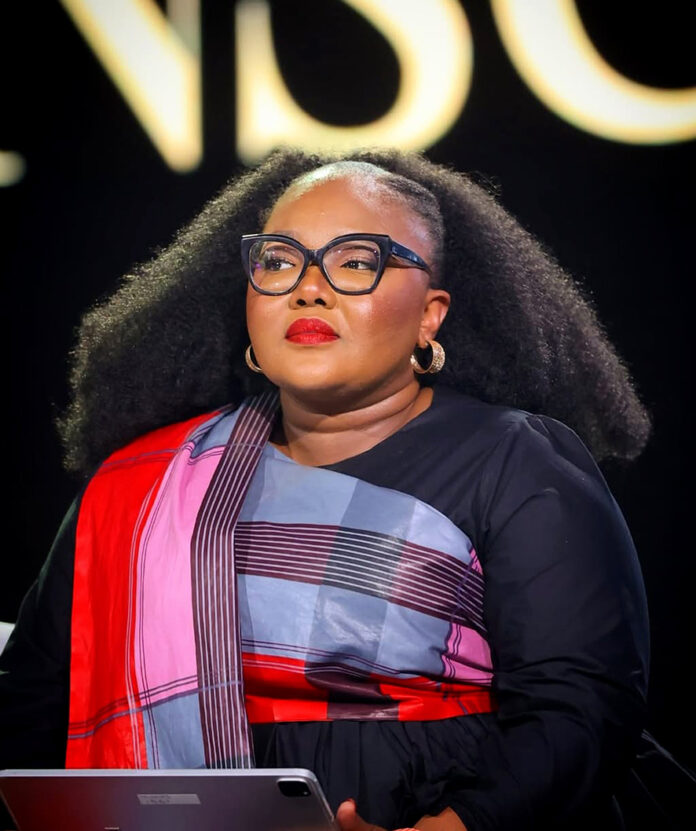
Basic Education Minister Siviwe Gwarube is facing renewed scrutiny over 23 372 unfinished school policy reviews after a constitutional law expert revealed that Parliament had been warned about the risk of a backlog under the Basic Education Laws Amendment (Bela) Bill.
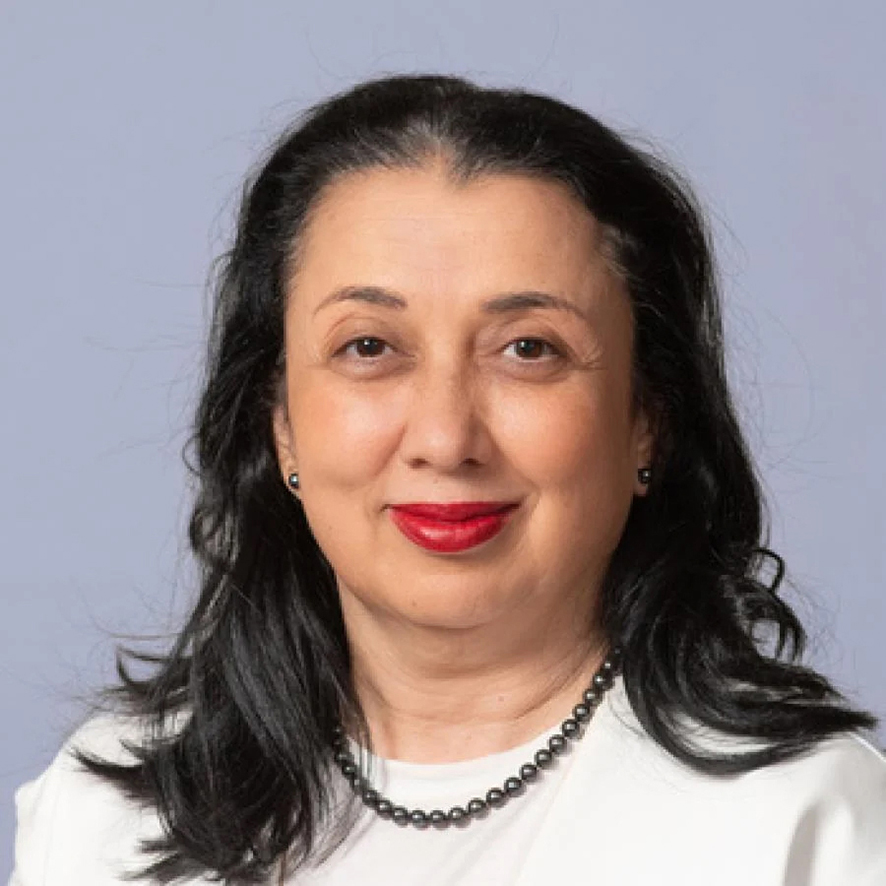
University of Pretoria associate professor of law Faranaaz VeriavaUniversity of Pretoria associate professor of law Faranaaz Veriava said lawmakers were urged to establish a dedicated office to manage school admission and language policy reviews, a proposal intended to prevent the administrative difficulties confronting the education system.
Bela was designed to transform a system in which language and admission policies have sometimes been used to keep black children out of historically white schools.
But Parliament heard on Tuesday that 11 715 admission-policy reviews and
11 657 language-policy reviews remain outstanding, raising concerns about school access for next year.
Veriava, a senior research fellow to the Unesco chair in education law in Africa, said the danger had been anticipated during parliamentary consultation.
The National Assembly’s public submission period closed on August 15, 2022, while the National Council of Provinces accepted submissions until January 31, 2024.
“When we made submissions on the Bela Bill in Parliament, we had raised that the process around the review of language and admission policies were a concern and that there should be a special office for this to prevent a backlog,” she told Sunday World.
During Tuesday’s hearing, ANC MP Sedukanelo Tshepo David Louw questioned officials about admission tests, interviews, restrictive documentary requirements and waiting lists allegedly disadvantaging African and coloured learners.
He demanded figures on how many children had been refused admission, placed or left awaiting decisions.
Gwarube defended the department’s record while acknowledging that regulations governing school capacity had missed the October 10 deadline.
“The capacity regs … have been with DPME [Department of Planning, Monitoring and Evaluation] since September for what they call the socio-economic impact assessment.”
She said Bela had been enforceable since December 24, 2024, regardless of whether all regulations had been finalised.
“There hasn’t been instances where we are seeing where the provisions of Bela have not been implemented.”
South African Democratic Teachers Union spokesperson Nomusa Cembi criticised Gwarube’s “lethargic” handling of Bela and called for provincial education departments to urgently intervene.
“Language must be a bridge to learning, not a barrier to accessing education,” she added.
- Basic Education Minister Siviwe Gwarube is under scrutiny for 23,372 unfinished school policy reviews related to the Basic Education Laws Amendment (Bela) Bill.
- University of Pretoria law expert Faranaaz Veriava revealed that Parliament was warned about the risk of a backlog and urged the establishment of a dedicated office to manage school admission and language policy reviews.
- Outstanding reviews include 11,715 admission-policy reviews and 11,657 language-policy reviews, raising concerns about school access for the upcoming year.
- Bela has been enforceable since December 24, 2024, despite some regulations, such as school capacity rules, missing their October 10 deadline.
- The South African Democratic Teachers Union criticized Gwarube’s handling of Bela, calling it "lethargic" and demanding urgent action from provincial education departments.
Basic Education Minister Siviwe Gwarube is facing renewed scrutiny over 23 372 unfinished school policy reviews after a constitutional law expert revealed that Parliament had been warned about the risk of a backlog under the Basic Education Laws Amendment (Bela) Bill.
University of Pretoria associate professor of law Faranaaz VeriavaUniversity of Pretoria associate professor of law Faranaaz Veriava said lawmakers were urged to establish a dedicated office to manage school admission and language policy reviews, a proposal intended to prevent the administrative difficulties confronting the education system.
Bela was designed to transform a system in which language and admission policies have sometimes been used to keep black children out of historically white schools.
But Parliament heard on Tuesday that 11 715 admission-policy reviews and
11 657 language-policy reviews remain outstanding, raising concerns about school access for next year.
Veriava, a senior research fellow to the Unesco chair in education law in Africa, said the danger had been anticipated during parliamentary consultation.
The National Assembly’s public submission period closed on August 15, 2022, while the National Council of Provinces accepted submissions until January 31, 2024.
“When we made submissions on the Bela Bill in Parliament, we had raised that the process around the review of language and admission policies were a concern and that there should be a special office for this to prevent a backlog,” she told Sunday World.
During Tuesday’s hearing, ANC MP Sedukanelo Tshepo David Louw questioned officials about admission tests, interviews, restrictive documentary requirements and waiting lists allegedly disadvantaging African and coloured learners.
He demanded figures on how many children had been refused admission, placed or left awaiting decisions.
Gwarube defended the department’s record while acknowledging that regulations governing school capacity had missed the October 10 deadline.
“The capacity regs … have been with DPME [Department of Planning, Monitoring and Evaluation] since September for what they call the socio-economic impact assessment.”
She said Bela had been enforceable since December 24, 2024, regardless of whether all regulations had been finalised.
“There hasn’t been instances where we are seeing where the provisions of Bela have not been implemented.”
South African Democratic Teachers Union spokesperson Nomusa Cembi criticised Gwarube’s “lethargic” handling of Bela and called for provincial education departments to urgently intervene.
“Language must be a bridge to learning, not a barrier to accessing education,” she added.


