


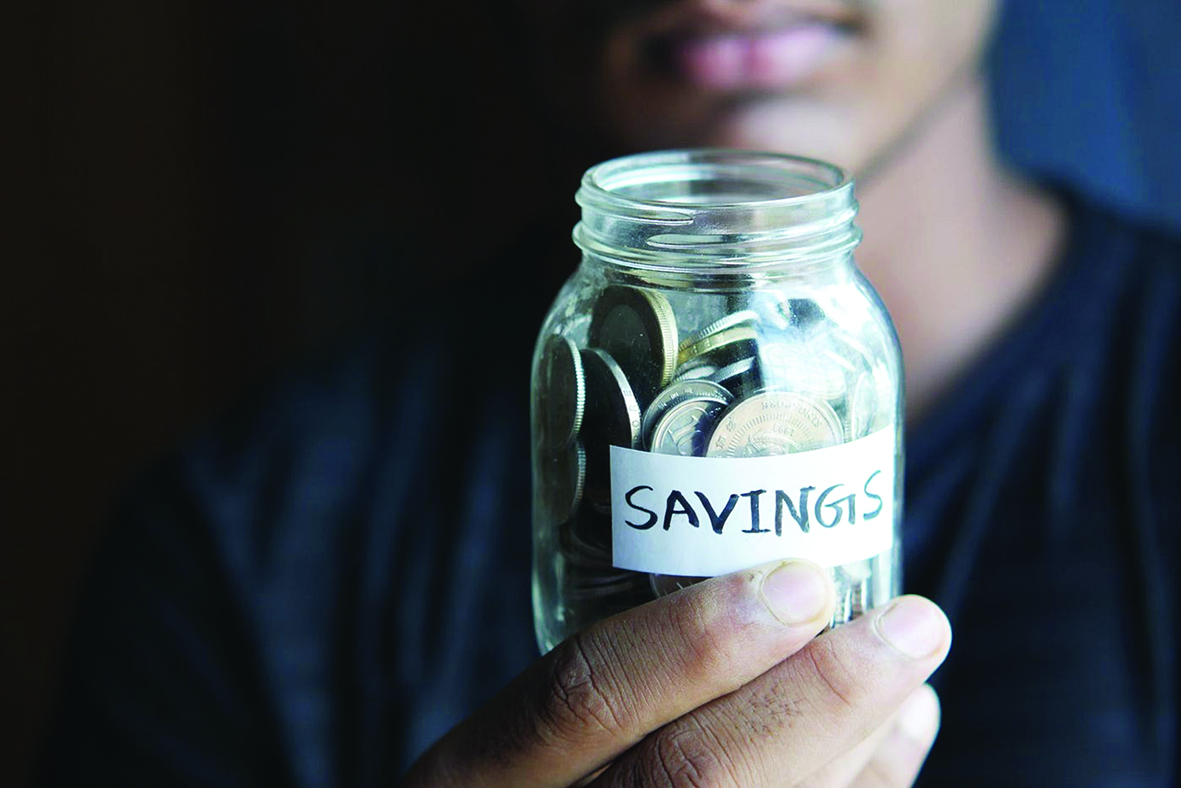
For a young person trying to build a life, saving is supposed to offer a little certainty. Put something aside today and tomorrow becomes less frightening. Yet there is something unsettling about learning the habits of financial security early and still being unable to afford the milestones those habits are meant to unlock.
Charles Schwab’s 2024 Modern Wealth Survey offers a striking starting point.
In its American sample, Gen Z respondents reported beginning to save at 18, while those investing reported starting at 19. The corresponding investing ages were 25 for millennials, 32 for Gen X and 35 for baby boomers.
These are US findings, not a description of every South African teenager. But they challenge the easy assumption that young people refuse to think ahead.
Savings vs ordinary life
Starting early, however, tells us little about how much someone can save, how consistently they can contribute or how often they must withdraw it. A savings account opened at 19 cannot compensate indefinitely for an income that fails to cover ordinary life.
South African research makes that tension concrete.
The 2026 Old Mutual Savings & Investment Monitor found that 91% of its working respondents aged 18 to 29 had savings goals. Only 46% strongly agreed that they were saving regularly as part of their plans, while 56% had dipped into savings to get by.
That last figure deserves more attention than another lecture about discipline.
The survey covered employed, digitally connected adults earning at least R8 000 a month. It therefore excludes unemployed young people and many low earners. Even within this comparatively advantaged group, setting money aside and keeping it there are different achievements.
Unemployment
For those outside employment, the problem starts earlier. Statistics South Africa put the official unemployment rate among economically active 15- to 34-year-olds at 47.4% in the second quarter of this year.
This age group extends beyond Gen Z, but it captures the labour market young adults must enter.
Advice about investing a percentage of your salary assumes the existence of a salary.
Transport costs
Then there is the cost of reaching work. Stats SA’s figures in September this year showed annual headline inflation of 4.5%, while minibus taxi fares were 13.8% higher than a year earlier. For a commuter who cannot work remotely or move closer to employment, that increase competes with savings. A budget can record the squeeze perfectly without creating a cheaper route to the office.
Family responsibilities
Family responsibilities complicate the calculation further.
In Old Mutual’s young working sample, 43% supported both children and parents or older adults. Treating every rand sent home as money poorly allocated misunderstands what financial responsibility can mean. Helping a parent buy food or keeping a child in school may be the most responsible decision available, even when it postpones personal independence.
Weakness of Gen Z as one financial category
This also exposes the weakness of treating Gen Z as one financial category. Consider two graduates earning the same salary: one receives help with rent, while the other contributes to a family household.
The difference in their savings cannot be explained by motivation alone. Their payslips might match; the demands on those payslips do not.
The consequences extend beyond account balances. Deloitte’s 2026 global survey found that 55% of Gen Z respondents had postponed major life decisions because of their finances. Those decisions included starting a family, furthering education and launching a business. Financial insecurity can narrow the choices through which young people build their futures.
Recommendations
None of this makes budgeting pointless or reckless borrowing harmless. Early saving remains valuable and financial education can help people understand fees, risk and debt.
We should teach those skills without presenting them as a complete remedy for insecure work, high essential costs and unequal family resources.
Employers should make paid entry-level opportunities and credible routes into permanent work central to their youth commitments. Financial wellbeing workshops should sit alongside scrutiny of starting salaries and commuting costs.
Government should judge employment programmes by sustained earnings and job retention, while treating reliable, affordable transport as part of economic inclusion.
Financial institutions should make small balances worth protecting through transparent fees and accessible products.
We should also reconsider how we recognise progress. An emergency fund used to prevent hunger or avoid expensive debt has served a purpose. Its depletion matters because rebuilding it delays other goals but it should not automatically become evidence of personal failure. Starting young gives money more time to grow. Young people also need an economy that gives them a reasonable chance to keep it invested.
Until then, congratulating Gen Z for beginning at 19 risks celebrating an early start while ignoring everything that keeps shifting the finish line.
• Dusani is a graduate in public relations and communications from the University of Johannesburg and is interning at Decode, a Pan-African PR agency in Johannesburg
- For a young person trying to build a life, saving is supposed to offer a little certainty.
- Put something aside today and tomorrow becomes less frightening.
- Yet there is something unsettling about learning the habits of financial security early and still being unable to afford the milestones those habits are meant to unlock.
- Charles Schwab’s 2024 Modern Wealth Survey offers a striking starting point.
- In its American sample, Gen Z respondents reported beginning to save at 18, while those investing reported starting at 19.


