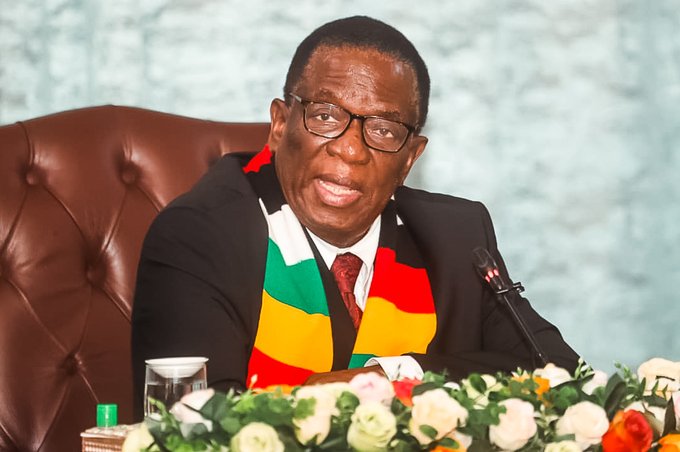
Zimbabwe has rejected a proposed $350-million health funding agreement with the US after President Emmerson Mnangagwa ordered an end to negotiations over what Harare described as a deal compromising national sovereignty.
Washington had presented the memorandum of understanding as the basis for future health assistance under its America First Global Health Strategy. However, Zimbabwean officials said several provisions were unacceptable.
Access to Zimbabwe’s mineral resources
Among their concerns was a US request for direct access to Zimbabwe’s health data for a specified period. A provision Harare viewed as excessive and intrusive. The US had also sought access to Zimbabwe’s critical mineral resources, which formed part of the broader arrangement. This further raised objections.
Officials argued that entering into a bilateral health framework with Washington would contradict the country’s commitment to multilateral cooperation. This is particularly following the US’ withdrawal from the World Health Organisation under the Trump administration. Establishing a parallel bilateral mechanism, Harare said, would effectively endorse Washington’s departure from the global health system.
Despite Zimbabwe’s stance, US health diplomacy efforts are gaining ground elsewhere in Africa. At least 14 countries are reported to have signed similar agreements under the new framework.
Massive US aid cuts
The rejection comes amid broader US foreign aid cuts, including those affecting Zimbabwe’s health programmes.
In March 2024, the US reaffirmed its relationship with the people of Zimbabwe. It did so by ending the Zimbabwe sanctions programme. But it remained committed to addressing human rights abuses and corruption in Zimbabwe through the Global Magnitsky (GloMag) sanctions programme.
These updated US sanctions on a handful of Zimbabweans have been a topic of intense debate. And the debate is often clouded by misinformation. The Zimbabwean government has portrayed these sanctions as the root cause of the nation’s economic woes. However, the US claims that nothing could be further from the truth.
Only 11 individuals, 3 companies sanctioned
The current individuals sanctioned under GloMag were designated for their specific corrupt acts or involvement in serious human rights abuses. Washington said the sanctions do not target the people, economy, or country of Zimbabwe.
The Government of Zimbabwe can trade internationally, conduct standard banking transactions, and provide humanitarian assistance for its people. Instead, GloMag sanctions affect only 11 individuals and three companies in Zimbabwe. Thus preventing them from using the US financial and banking systems for their personal affairs and traveling to the US. Some Zimbabwean officials have said sanctions on these 11 individuals impinge on Zimbabwe’s sovereignty. Not true, says Washington.
- Zimbabwe has rejected a proposed $350-million health funding agreement with the US after President Emmerson Mnangagwa ordered an end to negotiations over what Harare described as a deal compromising national sovereignty.
- Washington had presented the memorandum of understanding as the basis for future health assistance under its America First Global Health Strategy.
- However, Zimbabwean officials said several provisions were unacceptable.
- Access to Zimbabwe’s mineral resources Among their concerns was a US request for direct access to Zimbabwe’s health data for a specified period.
- A provision Harare viewed as excessive and intrusive.