


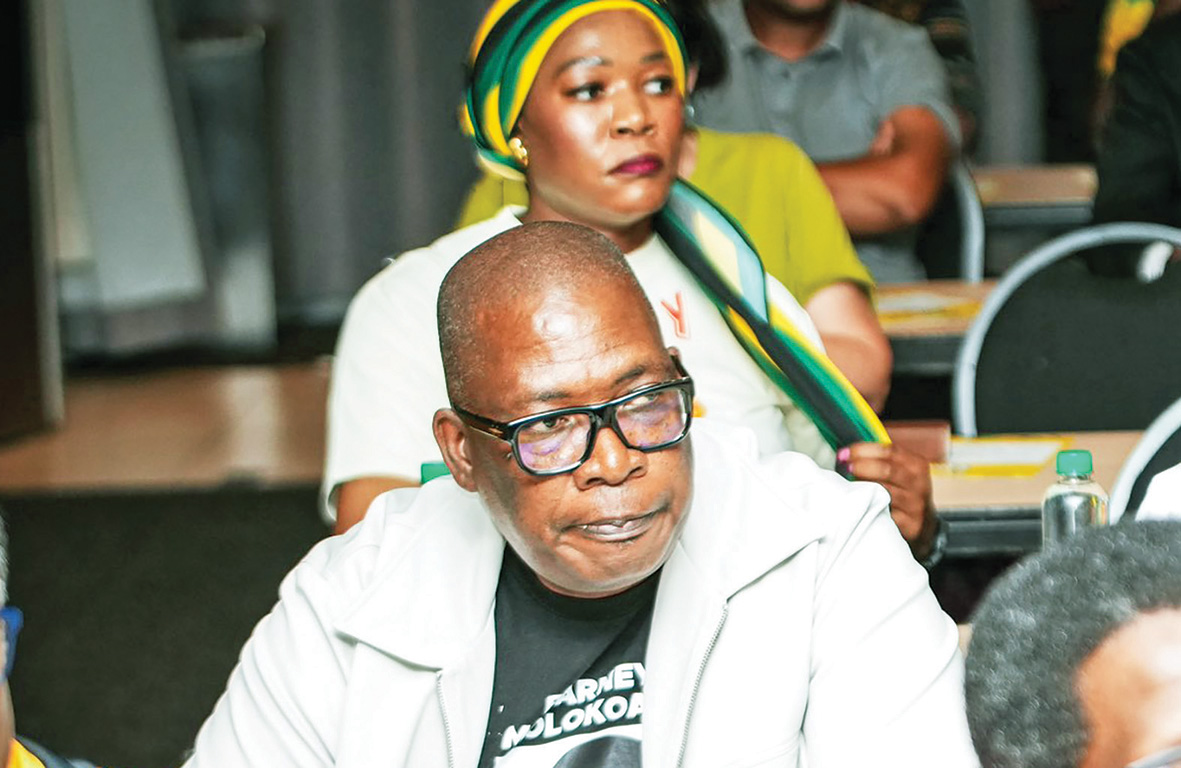
Pressure mounted ahead of the ANC’s special national executive committee (NEC) meeting this week, placing complaints about Electoral Commission of South Africa (IEC) processes squarely within its political terrain, even as Panyaza Lesufi cooled demands in Gauteng for a sweeping court battle over the election results.
Some ANC regions wanted the party’s highest decision-making structure to confront claims that the declared outcomes did not reflect the will of voters in several contested wards.
Vote manipulation claims
While the ANC is yet to brief the public on the outcomes of its discussions, sources say
allegations of vote manipulation surfaced during the NEC meeting.
ANC structures had already raised complaints about counting, results capture, voters’ roll discrepancies and differences between voting station records and figures captured by the IEC.
The NEC had to consider whether President Cyril Ramaphosa’s acceptance of the elections as free and fair should close the political debate.
Lesufi, the ANC’s Gauteng Provincial task Team convenor, tried to manage that tension during a provincial meeting with ANC leagues and allied structures in Turffontein on Monday.
“The comrades wanted to take the IEC to court,” an ANC source familiar with the meeting said. “They identified a few wards where they believed the IEC had robbed them.”
“The PTT refused because the president had already accepted that the IEC had declared the results free and fair,” the source added.
Lesufi’s intervention discouraged a province-wide attack to the legitimacy of the elections.
The ANC in Gauteng submitted about 35 objections under Section 65 of the Municipal Electoral Act, citing differences between results recorded at voting stations and IEC figures. It said recounts had confirmed ANC victories in seven wards across Johannesburg, Tshwane and Ekurhuleni, strengthening the argument from members who believed errors elsewhere may have altered results.
A second ANC source said West Rand representatives raised disputed figures during the Turffontein meeting, including an unexplained difference of about 200 votes.
“It is an anomaly,” the source said, noting, however, that members distinguished between challenging individual ward results and rejecting the elections countrywide.
By November 7, the IEC had received 197 objections. It dismissed 54, while eight objectors withdrew their complaints.
The commission upheld two objections and ordered recounts in five wards.
The ANC’s Sedibeng region resolved to approach the Electoral Court over voters’ roll discrepancies in Emfuleni, Midvaal and Lesedi. Its analysis identified more than 32 000 voter records without residential addresses, and flagged unusually high numbers of voters registered at individual addresses.
The Tshwane region also indicated it would pursue appeals after the IEC dismissed some of its objections, while ANC Youth League president Collen Malatji publicly backed court action.
The disputes carry immediate consequences as even a small change in ward or
seat allocations could alter the balance of power in a hung council.
- The ANC's national executive committee (NEC) meeting addressed complaints about the Electoral Commission of South Africa (IEC) election results, including allegations of vote manipulation.
- Some ANC regions sought to legally challenge the IEC, but Gauteng's Panyaza Lesufi discouraged a province-wide court battle, citing President Ramaphosa’s acceptance of the elections as free and fair.
- The ANC in Gauteng lodged about 35 objections under Section 65 of the Municipal Electoral Act, noting discrepancies between voting station results and IEC figures, with recounts confirming ANC wins in seven wards.
- By November 7, the IEC had received 197 objections, dismissed 54, upheld two, ordered recounts in five wards, and had eight withdrawals from complainants.
- The ANC's Sedibeng region plans to take the Electoral Court to challenge voters' roll discrepancies involving over 32,000 records with missing residential addresses and unusually high registrations at some addresses.
Pressure mounted ahead of the ANC’s special national executive committee (NEC) meeting this week, placing complaints about Electoral Commission of South Africa (IEC) processes squarely within its political terrain, even as Panyaza Lesufi cooled demands in Gauteng for a sweeping court battle over the election results.
Some ANC regions wanted the party’s highest decision-making structure to confront claims that the declared outcomes did not reflect the will of voters in several contested wards.
While the ANC is yet to brief the public on the outcomes of its discussions, sources say
allegations of vote manipulation surfaced during the NEC meeting.
ANC structures had already raised complaints about counting, results capture, voters’ roll discrepancies and differences between voting station records and figures captured by the IEC.
The NEC had to consider whether President Cyril Ramaphosa’s acceptance of the elections as free and fair should close the political debate.
Lesufi, the ANC’s Gauteng Provincial task Team convenor, tried to manage that tension during a provincial meeting with ANC leagues and allied structures in Turffontein on Monday.
“The comrades wanted to take the IEC to court,” an ANC source familiar with the meeting said. “They identified a few wards where they believed the IEC had robbed them.”
“The PTT refused because the president had already accepted that the IEC had declared the results free and fair,” the source added.
Lesufi’s intervention discouraged a province-wide attack to the legitimacy of the elections.
The ANC in Gauteng submitted about 35 objections under Section 65 of the Municipal Electoral Act, citing differences between results recorded at voting stations and IEC figures. It said recounts had confirmed ANC victories in seven wards across Johannesburg, Tshwane and Ekurhuleni, strengthening the argument from members who believed errors elsewhere may have altered results.
A second ANC source said West Rand representatives raised disputed figures during the Turffontein meeting, including an unexplained difference of about 200 votes.
“It is an anomaly,” the source said, noting, however, that members distinguished between challenging individual ward results and rejecting the elections countrywide.
By November 7, the IEC had received 197 objections. It dismissed 54, while eight objectors withdrew their complaints.
The commission upheld two objections and ordered recounts in five wards.
The ANC’s Sedibeng region resolved to approach the Electoral Court over voters’ roll discrepancies in Emfuleni, Midvaal and Lesedi. Its analysis identified more than 32 000 voter records without residential addresses, and flagged unusually high numbers of voters registered at individual addresses.
The Tshwane region also indicated it would pursue appeals after the IEC dismissed some of its objections, while ANC Youth League president Collen Malatji publicly backed court action.
The disputes carry immediate consequences as even a small change in ward or
seat allocations could alter the balance of power in a hung council.


