


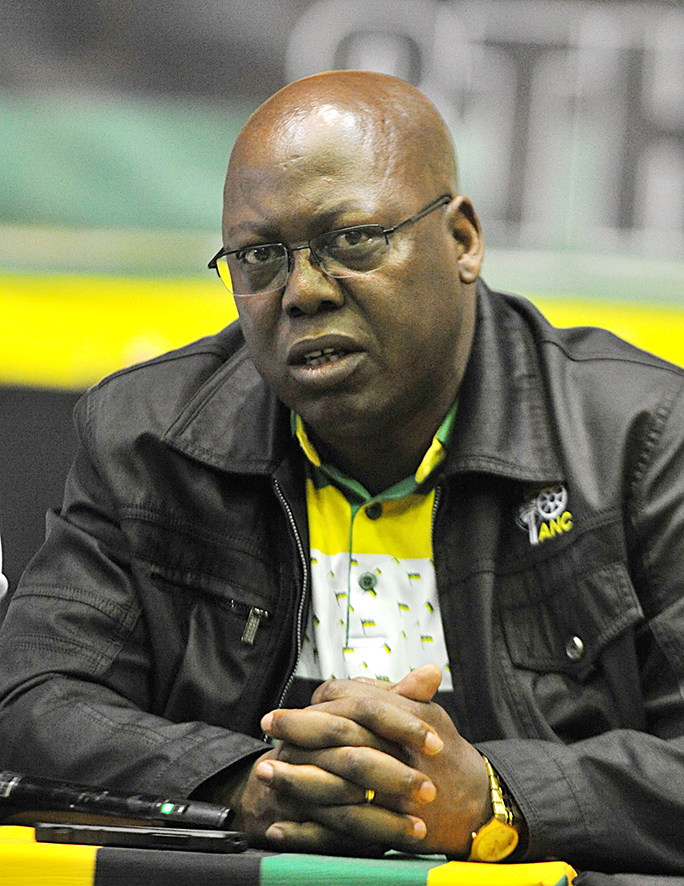
The ANC is caught between a rock and a hard place in KwaZulu-Natal as its leaders grapple with whether to join forces with former president Jacob Zuma’s uMkhonto weSizwe Party (MKP), work with its government of national unity (GNU) partners or retreat to the opposition benches.
The divisions came to the fore during a meeting between the ANC’s national coalition negotiating team and provincial leaders on Tuesday, where provincial task team convenor Mike Mabuyakhulu is said to have strongly opposed cooperation with the MKP.
According to insiders familiar with the discussions, Mabuyakhulu warned of the consequences that such an arrangement could have for the ANC, particularly as it attempts to rebuild its structures and recover support lost to Zuma’s party.
Most of the PTT members and negotiators were in favour of this view.
“It was the majority view, which was expressed at the meeting. Even the negotiating team was in support of the view,” the source said.
“The issue is that the ANC does not want to be painted with the same brush as the MKP. If they fail at governing, we will have to take collective blame when things fall apart,” according to the mole.
READ: ANC bigwig Mabuyakhulu bounces back as KZN convenor
Resistance to MKP gains momentum
The resistance to the MKP has opened the door to possible cooperation with the DA and IFP, which already govern alongside the ANC at the provincial level.
However, this would place the party in an uncomfortable position after most members of its national executive committee (NEC) expressed the view at last week’s meeting in Boksburg that cooperation with the DA should be considered only as a last resort.
Electoral decline deepens ANC’s dilemma
The ANC’s dilemma has been complicated by the scale of its electoral decline in KwaZulu-Natal, where the MKP emerged as the biggest party with 34% of the provincial ward vote.
The ANC managed approximately 20.5%, narrowly ahead of the IFP’s 20.2%, while the DA secured 13.9%.
Of the province’s 44 municipalities, the MKP emerged as the largest party in 20, the IFP in another 20, the ANC in just three and the DA in one.
The results have left the ANC fighting for political relevance in municipalities it once dominated, while simultaneously having to decide whether to cooperate with the party responsible for much of its electoral decline.
eThekwini emerges as coalition battleground
In eThekwini, the province’s economic hub, the MKP emerged as the largest party with 86 of the 223 council seats, followed by the DA with 57, the ANC with 37 and the IFP with 15.
A coalition between the ANC and MKP would command 123 seats, comfortably exceeding the 112 required for a majority.
READ: ANC, IFP cement regional power in by-elections in Mpumalanga and KwaZulu-Natal
However, cooperation between the ANC, DA and IFP would produce 109 seats, leaving the parties three seats short of a governing majority and dependent on additional support from smaller parties.
Numbers favour both options in Msunduzi
The situation is equally complicated in Msunduzi, which includes Pietermaritzburg, where the MKP secured 31 of the 81 council seats.
The ANC and DA each won 17 seats, while the IFP secured seven.
An arrangement between the ANC, DA and IFP would produce a simple 41-seat majority, while cooperation between the ANC and MKP would give a comfortable majority for the two parties at 48 seats.
The MKP also emerged as the largest party in Newcastle with 23 of the 71 seats, uMhlathuze with 27 of 71, KwaDukuza with 22 of 59 and Ray Nkonyeni with 24 of 71.
None of these municipalities produced an outright majority, leaving coalition negotiations to determine which parties will control the councils.
- The ANC in KwaZulu-Natal is debating whether to cooperate with Jacob Zuma's uMkhonto weSizwe Party (MKP), its GNU partners, or move to opposition benches following recent elections.
- ANC provincial convenor Mike Mabuyakhulu and most of the provincial task team oppose cooperating with MKP due to concerns about shared blame if MKP fails in governance.
- Resistance to MKP is increasing, opening the possibility of alliance with the DA and IFP, though the ANC's national executive committee views cooperation with the DA as a last resort.
- In KwaZulu-Natal's 44 municipalities, MKP is the largest party in 20, IFP in 20, ANC in three, and DA in one; the electoral decline of ANC complicates coalition decisions.
- In eThekwini, the ANC-MKP coalition would have a majority with 123 seats, while ANC-DA-IFP coalition falls short by three seats, and similar coalition dynamics exist in Msunduzi and other municipalities.
The ANC is caught between a rock and a hard place in KwaZulu-Natal as its leaders grapple with whether to join forces with former president Jacob Zuma's uMkhonto weSizwe Party (MKP), work with its government of national unity (GNU) partners or retreat to the opposition benches.
The divisions came to the fore during a meeting between the ANC's national coalition negotiating team and provincial leaders on Tuesday, where provincial task team convenor Mike Mabuyakhulu is said to have strongly opposed cooperation with the MKP.
According to insiders familiar with the discussions, Mabuyakhulu warned of the consequences that such an arrangement could have for the ANC, particularly as it attempts to rebuild its structures and recover support lost to Zuma's party.
Most of the PTT members and negotiators were in favour of this view.
"It was the majority view, which was expressed at the meeting. Even the negotiating team was in support of the view,” the source said.
“The issue is that the ANC does not want to be painted with the same brush as the MKP. If they fail at governing, we will have to take collective blame when things fall apart,” according to the mole.
READ: ANC bigwig Mabuyakhulu bounces back as KZN convenor
The resistance to the MKP has opened the door to possible cooperation with the DA and IFP, which already govern alongside the ANC at the provincial level.
However, this would place the party in an uncomfortable position after most members of its national executive committee (NEC) expressed the view at last week's meeting in Boksburg that cooperation with the DA should be considered only as a last resort.
The ANC's dilemma has been complicated by the scale of its electoral decline in KwaZulu-Natal, where the MKP emerged as the biggest party with 34% of the provincial ward vote.
The ANC managed approximately 20.5%, narrowly ahead of the IFP's 20.2%, while the DA secured 13.9%.
Of the province's 44 municipalities, the MKP emerged as the largest party in 20, the IFP in another 20, the ANC in just three and the DA in one.
The results have left the ANC fighting for political relevance in municipalities it once dominated, while simultaneously having to decide whether to cooperate with the party responsible for much of its electoral decline.
In eThekwini, the province's economic hub, the MKP emerged as the largest party with 86 of the 223 council seats, followed by the DA with 57, the ANC with 37 and the IFP with 15.
A coalition between the ANC and MKP would command 123 seats, comfortably exceeding the 112 required for a majority.
READ: ANC, IFP cement regional power in by-elections in Mpumalanga and KwaZulu-Natal
However, cooperation between the ANC, DA and IFP would produce 109 seats, leaving the parties three seats short of a governing majority and dependent on additional support from smaller parties.
The situation is equally complicated in Msunduzi, which includes Pietermaritzburg, where the MKP secured 31 of the 81 council seats.
The ANC and DA each won 17 seats, while the IFP secured seven.
An arrangement between the ANC, DA and IFP would produce a simple 41-seat majority, while cooperation between the ANC and MKP would give a comfortable majority for the two parties at 48 seats.
The MKP also emerged as the largest party in Newcastle with 23 of the 71 seats, uMhlathuze with 27 of 71, KwaDukuza with 22 of 59 and Ray Nkonyeni with 24 of 71.
None of these municipalities produced an outright majority, leaving coalition negotiations to determine which parties will control the councils.


