


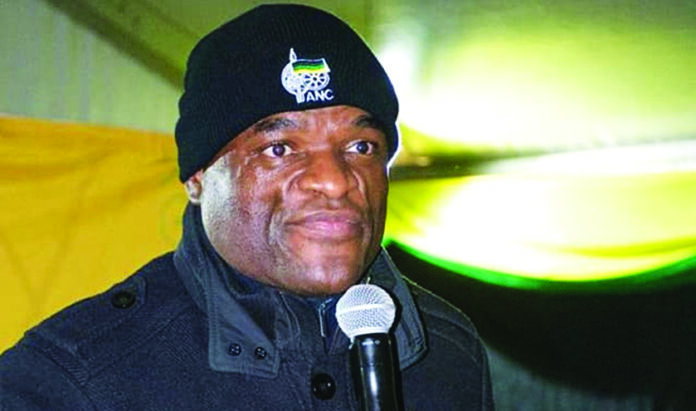
ANC Northern Cape chairperson Zamani Saul has warned newly elected councillors not to confuse winning office with earning moral authority.
His message lands as political parties allocate municipal positions after the local government elections.
Saul says South African politics now faces “political opportunism and transactional political leadership”.
He urges councillors to place service before rank, power and personal advancement.
“In an era dominated by political opportunism and transactional political leadership, the fundamental tenets of revolutionary morality must be reasserted,” Saul wrote.
He published a “special tribute” to newly elected councillors on Friday, framing it around Nelson Mandela’s treatment of fellow Robben Island prisoner Eddie Daniels.
The history lesson carries a contemporary warning as parties are negotiating mayors, speakers, whips and committee positions in hung councils. Councillors hold the votes that will determine who governs.
Saul does not name any councillor or connect his intervention directly to coalition bargaining. But he makes his standard clear. “Revolutionary morality is neither defined by the acquisition of position or power,” he wrote.
“Its basis is an ongoing practice of subordination of self-interest.” He says removing an oppressive system does not complete freedom fighters but “systematically erodes their human dignity”.
He says prison authorities used hard labour, restricted rations and crude sanitation to degrade prisoners.
The toilet buckets became instruments of humiliation and dehumanisation. Cleaning another prisoner’s bucket, therefore, meant more than helping a sick man.
Mandela accepted the filth and stench that Daniels could not carry. He also refused to hide behind political seniority. “Mandela demonstrated the profound depth of revolutionary morality,” Saul wrote.
“He did not delegate the chore to a junior or turn a blind eye to shield himself from the stench.” Instead, Mandela “quietly took the bucket himself”, lifting the physical and psychological burden from his fellow prisoner.
Saul uses that moment to contrast revolutionary solidarity with present-day factional conduct.
“Nowadays, comrades will not let pass the first available opportunity to destroy each other,” he wrote.
Saul says Mandela demonstrated “that no task is beneath a leader if it preserves the dignity and survival of a fellow comrade”. Mandela subordinated hierarchy to human need. He rooted leadership in “absolute service”, not status.
- ANC Northern Cape chairperson Zamani Saul warned newly elected councillors against confusing winning office with moral authority amid municipal position allocations.
- Saul described current South African politics as dominated by political opportunism and transactional leadership, urging councillors to prioritize service over power.
- He framed his message around Nelson Mandela's act of cleaning fellow prisoner Eddie Daniels' bucket on Robben Island as an example of revolutionary morality.
- Saul emphasized that revolutionary morality involves subordinating self-interest and that leadership should be rooted in service, not status.
- He contrasted Mandela's solidarity and service with today's factional behaviors, highlighting that no task is beneath a leader if it preserves comrades' dignity.


