


South Africa has repatriated 2 745 foreign nationals in the week since President Cyril Ramaphosa pledged tougher measures against illegal immigration, Home Affairs Minister Leon Schreiber announced on Sunday.
As one of Africa’s largest economies, South Africa has long attracted migrants from across the continent, both legally and irregularly. However, with unemployment above 30%, the country continues to grapple with periodic anti-immigrant sentiment and violence.
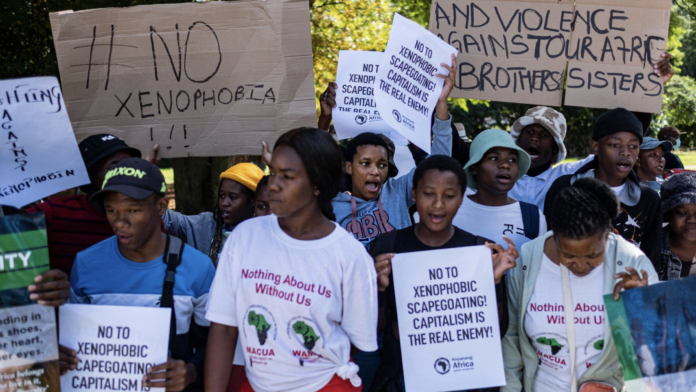
In recent weeks, groups of protesters have marched through parts of the country demanding that undocumented foreign nationals leave by June 30. Rising security concerns following incidents of looting and attacks targeting foreigners have prompted nationals of Nigeria, Malawi, Ghana, Zimbabwe and Mozambique to accept voluntary repatriation programmes organised by their respective governments.
“As of last night, we can report 2 745 repatriations that have taken place since the president spoke,” Schreiber told reporters, adding that the figure remained subject to change.
Authorities said most of those repatriated were living in South Africa without legal documentation. Among them are Malawian nationals, approximately 7 000 of whom have been sheltering in an open field in Durban, according to an inter-ministerial migration committee established following Ramaphosa’s address.
Hundreds of Malawians begin journey home
The Malawian government deployed eight buses on Sunday to transport its citizens home, while South Africa provided an additional 10 buses to accelerate the process.
Malawi’s Consul General Max Biwi said that around 560 people, including about 200 children, returned home on Sunday.
Some returnees were carrying infants and a few personal belongings as they boarded buses.
Fortunate Chilenje, a 25-year-old from Blantyre, said she was relieved to be leaving after spending three years in South Africa.
“It’s better than living in fear here,” she said, adding that threats against foreign nationals had continued even within temporary settlements.
‘No plans to establish refugee camps’
The South African government reiterated that it does not operate refugee camps and has no plans to establish them, even temporarily.
Last week, President Ramaphosa acknowledged public concerns over illegal immigration but warned that authorities would not tolerate vigilante actions.
Tensions escalated after two Mozambican nationals were killed following a May 29 march against illegal immigration in the Western Cape town of Mossel Bay. Mozambican authorities said the death toll stands at five.
According to South Africa’s statistics agency, more than three million foreign nationals live in the country, accounting for approximately 5.1% of the population.
Meanwhile, Home Affairs Deputy Minister Njabulo Nzuza said a significant number of displaced foreign nationals in Durban, KwaZulu-Natal, had opted to return to communities within South Africa rather than seek repatriation to their countries of origin.
- South Africa repatriated 2,745 foreign nationals in one week following President Ramaphosa’s call for tougher illegal immigration measures, Home Affairs Minister Leon Schreiber announced.
- Rising unemployment (over 30%) and anti-immigrant protests demanding undocumented foreigners leave by June 30 have increased tensions and security concerns, causing violence and looting targeting foreigners.
- Many repatriated individuals lacked legal documentation; notably, around 7,000 Malawian nationals sheltered in Durban were part of a voluntary repatriation program supported by both South African and Malawian governments.
- South Africa does not operate or plan to establish refugee camps; President Ramaphosa condemned vigilante violence after the killing of several Mozambican nationals amid recent protests.
- Over 3 million foreign nationals live in South Africa (5.1% of the population), with some displaced migrants in Durban choosing internal relocation over repatriation.


