


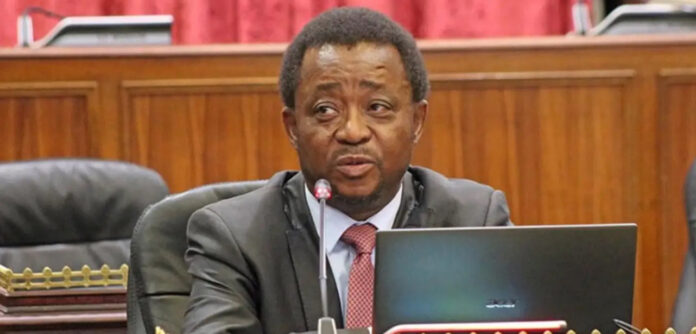
The Public Protector South Africa is probing allegations of an irregular appointment at the Free State Public Service Commission (PSC), opening scrutiny over the process that placed commissioner Brian Nakedi in the institution responsible for monitoring standards in government.
The investigation followed an anonymous complaint lodged in January 2026, public protector spokesperson Oupa Segalwe said.
“The Public Protector South Africa confirms that an investigation into allegations of irregular appointment against the Free State Public Service Commission is underway,” Segalwe said.
The Public Protector did not disclose the identity of the complainant but confirmed that the matter originated from an anonymous complaint.
The office said investigations of that nature had a timeframe of up to 18 months.
The confirmation comes after questions were raised about Nakedi’s appointment, including allegations about his academic credentials, the use of the title “professor” and whether sufficient checks were conducted before he was appointed to the constitutional oversight body.
The PSC is mandated to promote the values and principles governing public administration, including professional ethics, accountability and efficient service delivery.
A version of the complaint, seen by Sunday World, alleges that questions about whether Nakedi met the requirements for the senior public service position should have been raised during the appointment process.
Among the allegations is that Nakedi’s title, “professor”, may have influenced perceptions during the process involving the Free State Legislature, the premier’s office and the president’s appointment. The complainant alleges that: “The selection committee that recommended him, the premier who ratified the recommendation and the president who appointed him – all of them thought or were under the impression that he was a professor.”
The complainant further alleges that the title “boosted his chances for appointment” and Nakedi failed to correct what they describe as a material misrepresentation.
However, the Public Protector has not tested the allegations and Nakedi has not been found to have committed wrongdoing.
The investigation also comes against the backdrop of broader claims in the complaint that question whether the PSC has been effective in carrying out its mandate in the Free State.
The complainant alleges that some officials who lodged complaints with the PSC had not received feedback and concerns were emerging among some government officials about the quality of PSC reports.
The complaint states: “One can fake qualifications and other requirements but cannot fake technical competence.
“It is either one is competent or is not.”
The allegations raise a central accountability contradiction: whether the institution responsible for assessing public service standards followed the same standards when appointing one of its own commissioners.
The Public Protector’s response did not provide details on the specific allegations being investigated, saying only that the matter relates to “allegations of irregular appointment against the Free State Public Service Commission.”
It also did not indicate whether information had been requested from Nakedi, the Free State Legislature, the Office of the Premier or other institutions involved in the appointment.
Nakedi did not respond to questions on the allegations, including questions about his qualifications, his use of the title “professor” and whether he believed the appointment process was properly conducted.
- The Public Protector South Africa is investigating allegations of an irregular appointment of Brian Nakedi to the Free State Public Service Commission following an anonymous January 2026 complaint.
- Allegations include concerns about Nakedi’s academic credentials, his use of the title “professor,” and whether due diligence was performed during his appointment.
- The complainant claims that the title “professor” influenced the appointment process, potentially boosting Nakedi’s chances without correction of the misrepresentation.
- The Public Service Commission is mandated to uphold public administration values, but the complaint raises questions about its effectiveness and responsiveness in the Free State.
- The Public Protector has not confirmed wrongdoing by Nakedi and has not disclosed whether it has requested information from involved bodies or individuals.


