


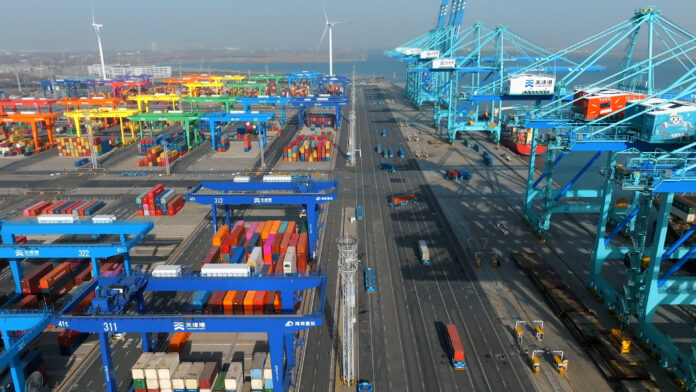
New rail, road, port and aviation technologies aim to support safer, more connected and efficient transport across South Africa.
[Johannesburg, 30 July 2026] Huawei hosted customers and partners at the Smart Transportation Summit, part of Huawei South Africa Connect 2026, to discuss how intelligent technologies can help improve the safety and efficiency of South Africa’s transport network.
Held under the theme Driving Mobility and Logistics into the Intelligent World, the summit saw Huawei launch 12 solutions across four transport sectors: rail, road traffic, ports and aviation.
Huawei’s Chief Technology Officer for South Africa, Sam Tang, opened the summit by outlining the importance of South Africa’s transport network to the economy. “South Africa’s transport network is the real backbone of our economy. It connects our mines, farms and factories to the world. And it carries millions of people to work every single day. The smart solutions we need today are mature, real and ready to scale up.”
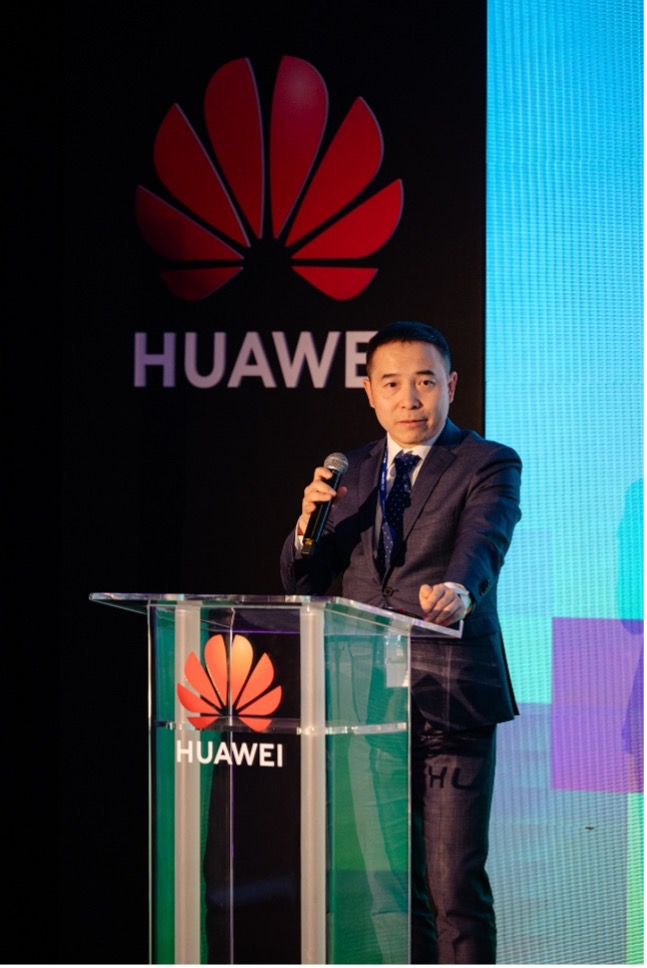
The Department of Transport has set firm goals for 2030, among them lifting rail freight to 250 million tonnes a year and halving the number of road deaths.
Tang observed that there is still room for improvement in terms of real-time data sharing, which can lead to delays such as ships waiting offshore and trucks queuing at ports. On the maintenance side, moving toward earlier intervention would likely reduce expenses and, hopefully, prevent the rare but serious safety risks that can arise from delayed repairs.
He said closing these gaps calls for a secure digital foundation that brings down logistics costs across the country, an area Huawei aims to support.
To help address these challenges, Huawei unveiled 12 solutions across four areas of transport.
- In rail, Huawei introduced four solutions under its iRAIL framework, covering train communications, scheduling, station operations and maintenance.
- For road traffic, its intelligent transport system supports tools such as AI drones that clear incident scenes faster and signal control that responds to live conditions.
- For ports, the solutions integrate data across port operations to improve security and daily operations.
- In aviation, the focus is on speeding up aircraft turnaround and improving the efficiency of airport ground operations.
These solutions share a common connectivity and cloud foundation that allows capabilities to be applied across different modes of transport.
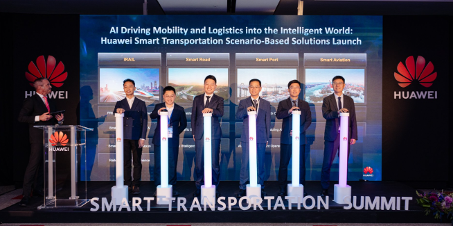
Tang closed his address with a call for greater collaboration across the transport sector. “My message to every leader and partner in this room is simple: Let us work together, break down silos and build a safer, faster and smarter transport ecosystem for South Africa.”
Aaron Chen, Director of Huawei South Africa’s Transportation Account Department, thanked customers and partners at the summit and said Huawei would continue working with the transport sector to support its digital transformation.
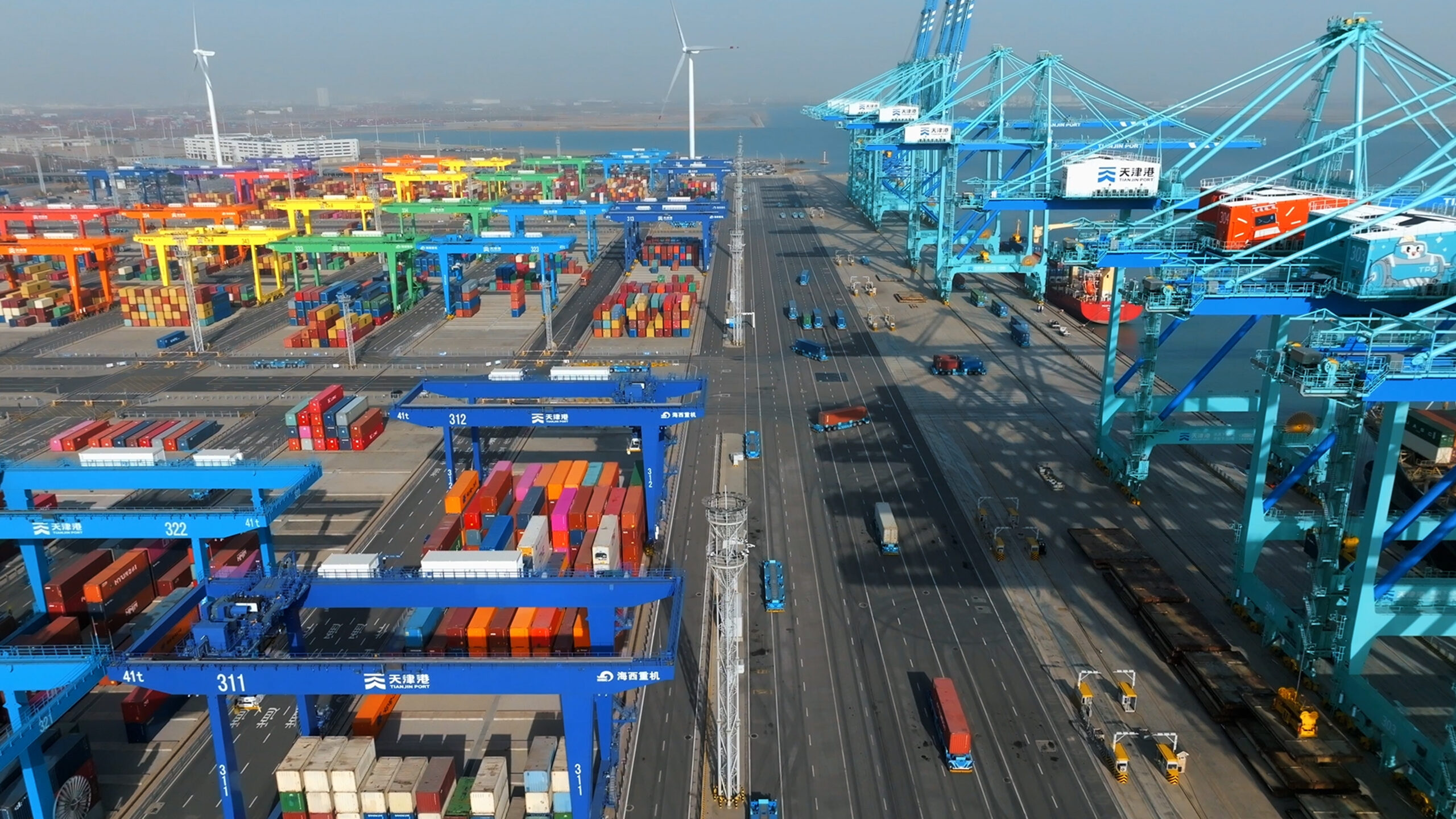
Huawei’s transport technologies are now used across more than 100 ports and over 210 airports and airlines worldwide, alongside railway and road networks spanning hundreds of thousands of kilometres. The focus is on building the digital foundation that transport and logistics operators depend on, with the goal of making travel easier for people and keeping goods moving efficiently across the country.
For more information, please visit Huawei online at www.huawei.com or follow us on:
https://www.facebook.com/HuaweiSAR
- Huawei hosted the Smart Transportation Summit in Johannesburg, unveiling 12 intelligent transport solutions for South Africa’s rail, road, port, and aviation sectors.
- The new technologies aim to enhance safety, connectivity, and efficiency, supporting the Department of Transport’s 2030 goals such as increasing rail freight and reducing road fatalities.
- Solutions include Huawei’s iRAIL framework for rail operations, AI-driven incident response for road traffic, integrated data systems for ports, and faster aircraft turnaround in aviation.
- These innovations rely on a shared cloud and connectivity foundation to enable cross-modal transport improvements and reduce logistics costs nationwide.
- Huawei emphasized collaboration across the transport sector to build a smarter, safer, and more efficient transportation ecosystem for South Africa.


