


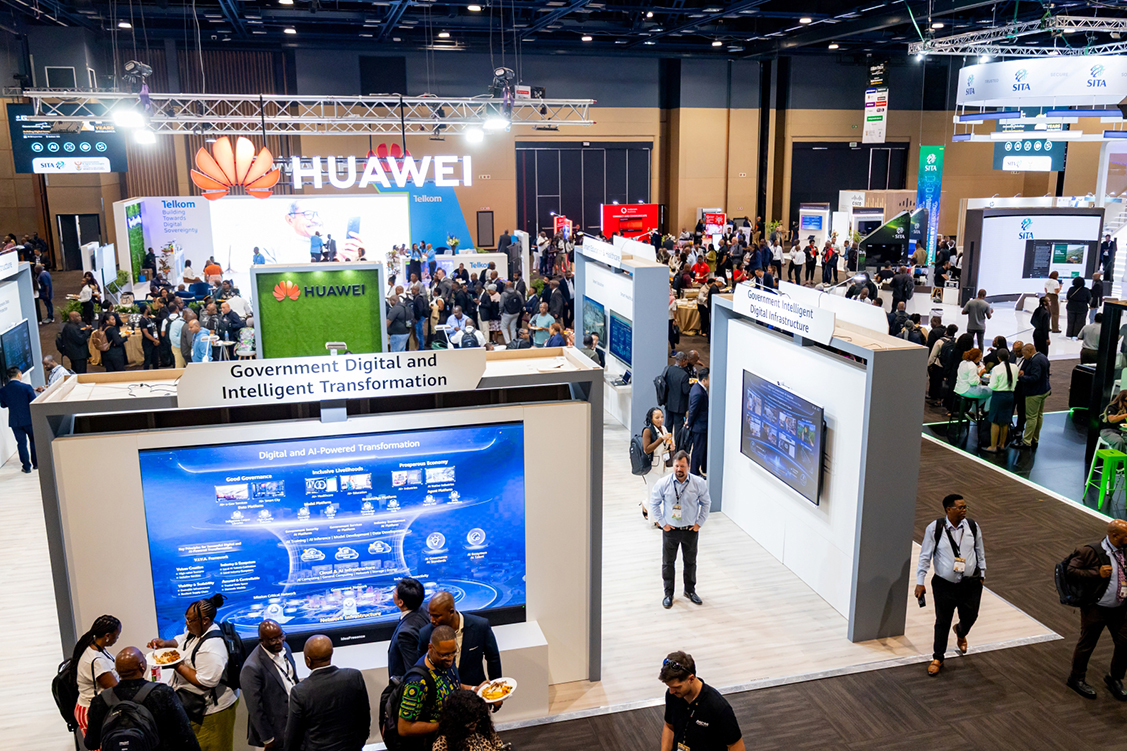
GovTech 2026 marked 20 years of bringing government and the technology sector together.
Hosted by the State Information Technology Agency (Sita), the event has tracked the evolution of government technology since 2006, from connectivity and infrastructure to cloud, data, cybersecurity and shared digital services.
For Huawei, the milestone was a chance to look ahead to turning these digital foundations into intelligence for South Africa’s public sector.
“AI can help government improve public services by automating routine tasks and supporting faster, data-driven decisions,” said Matamela Mashau, the chief technology officer of Enterprise Network Solution for Huawei Sub-Saharan Africa. “The infrastructure required to run these workloads is an important part of enabling those applications.”
Digital infrastructure for better public services
South Africa’s digital future was a central theme at GovTech 2026. In his address, Minister of Communications and Digital Technologies Solly Malatsi said South Africa had an opportunity to “become a strategic alternative global connectivity hub and digital gateway” between Africa, Europe, Asia, Latin America and Australia.
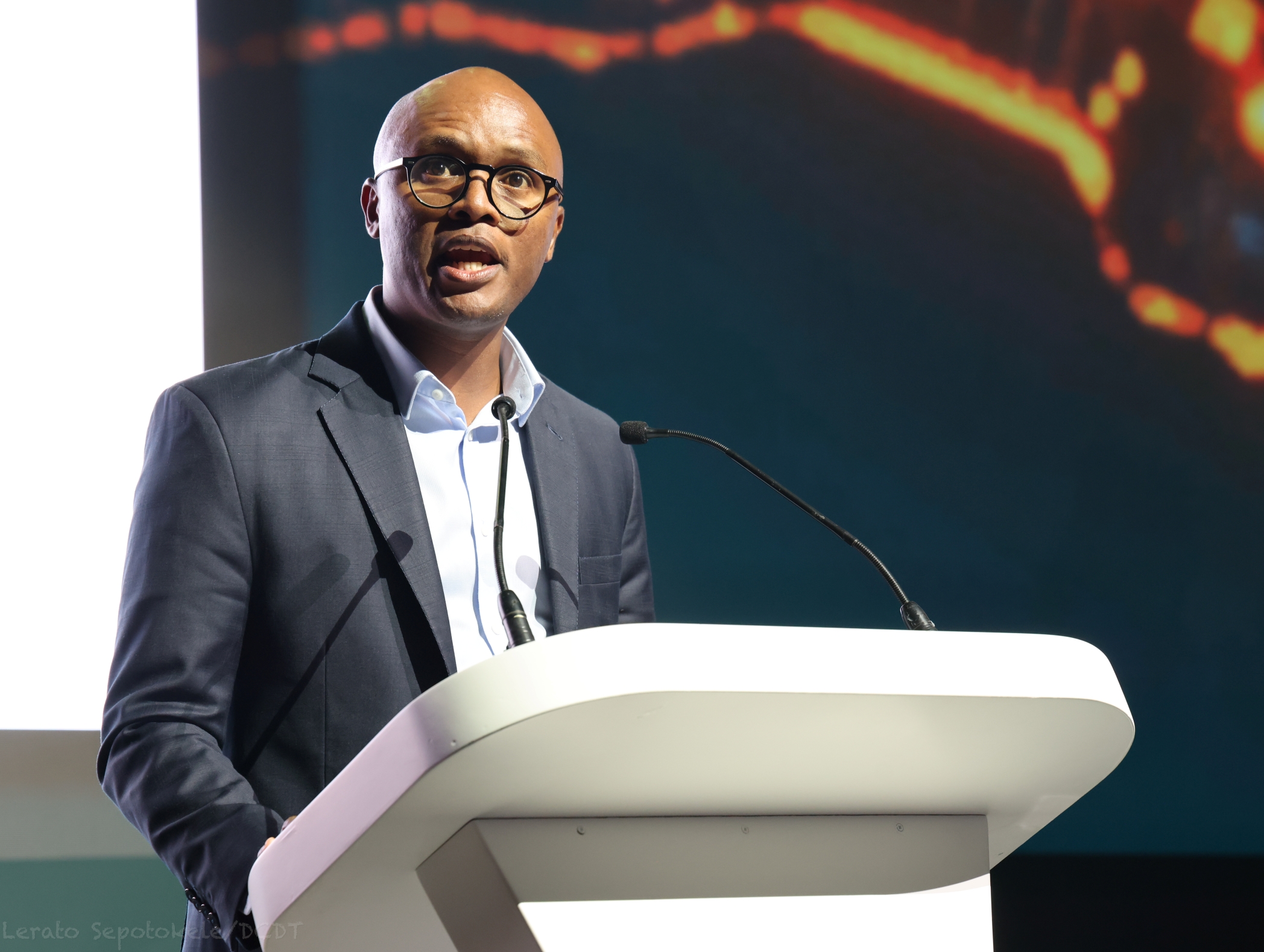
For Huawei, this means supporting the digital infrastructure needed to help government deliver better services.
Its participation at GovTech focused on how connectivity, cloud and AI can help government fast-track its journey from connected government to digital government to intelligent government.
Same service for every citizen
On Day 1, Peng Lu, the director of Data Centre Solutions Sales at Huawei South Africa, joined the Government Services and Cloud & Connectivity panel. He spoke about the value of a unified government service platform and how it could help citizens access public services from a phone or laptop, whether they live in a city or a rural community.
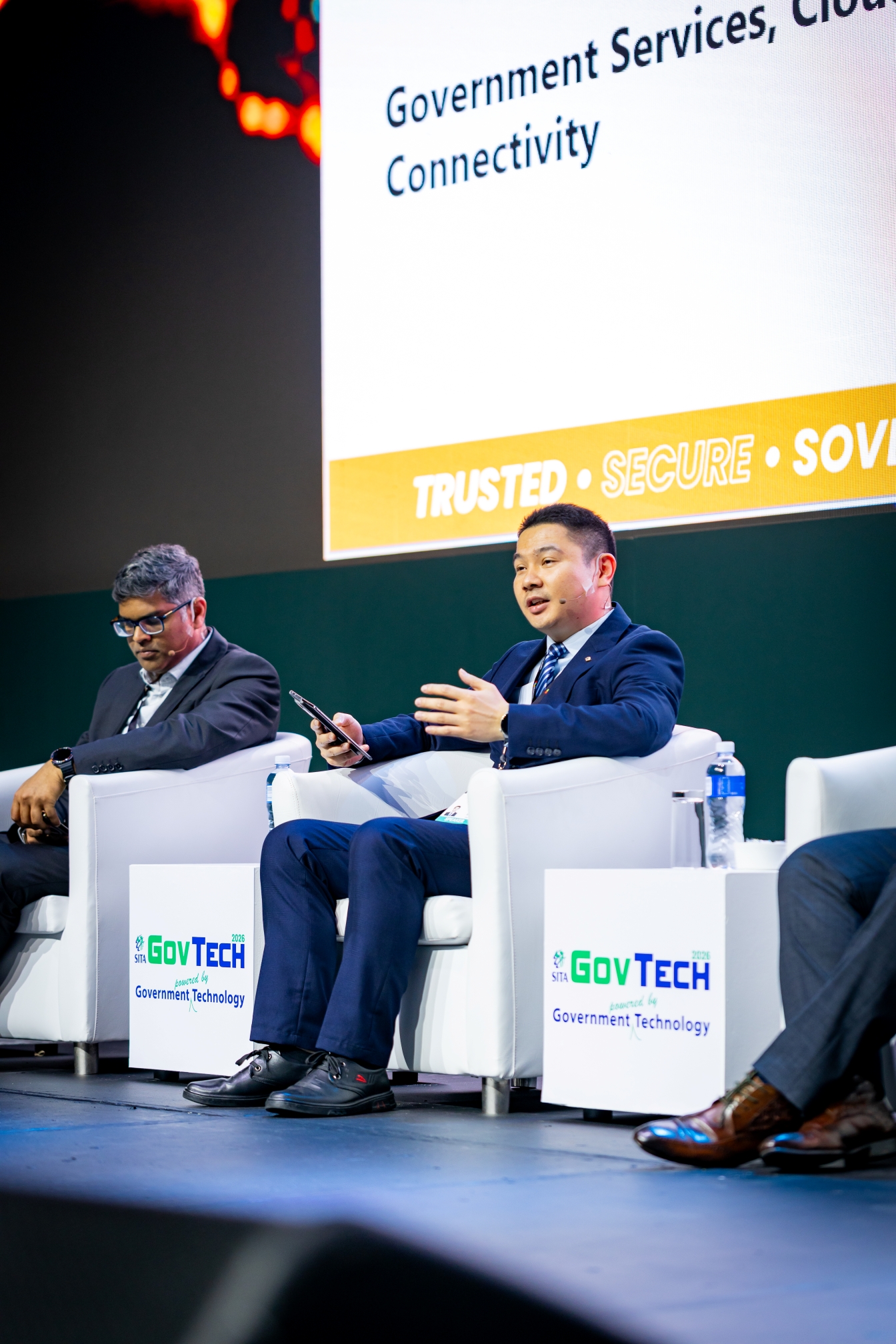
He also described how shared government platforms could help departments worked more efficiently. For example, departments could use a common platform rather than each maintaining separate systems.
“Citizens need one platform to access government services, while departments need to be able to share the data needed to deliver those services,” Lu said. “One of the most important steps before GovTech 2027 is to deploy these shared platforms on a government on-premises cloud.”
AI that improves public services
On Day 2, Mashau delivered a keynote on the infrastructure needed to run AI workloads in the public sector and how AI could be applied across government services. “AI can take routine administrative work off officials’ desks and route requests in hours rather than weeks,” Mashau said.
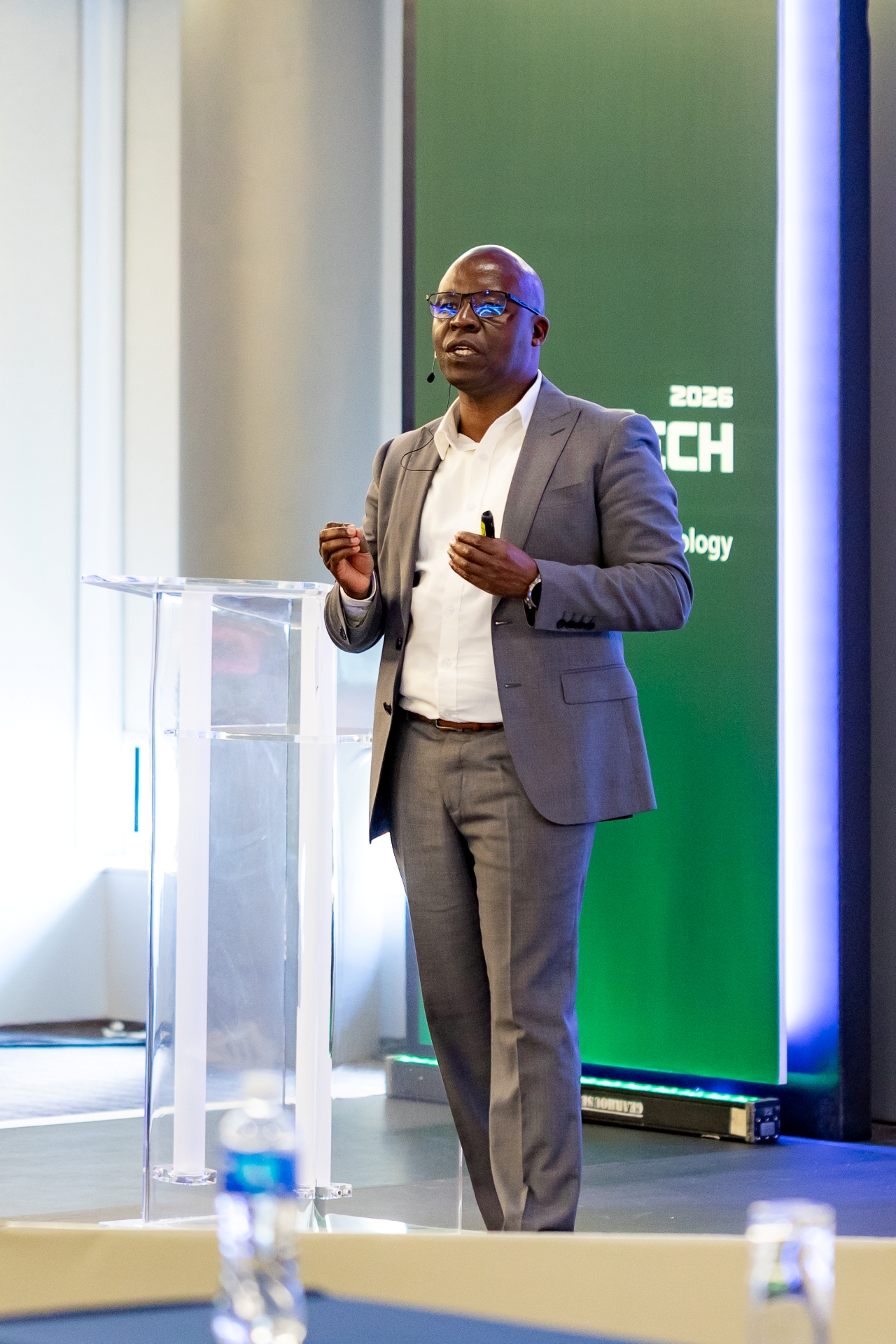
The keynote also highlighted practical uses for AI in education, meteorology and healthcare. These include lesson planning, weather forecasting, diagnostics and drug discovery.
Mashau also outlined Huawei’s five-layer AI framework, spanning energy, chips, infrastructure, models and applications. “Huawei can assist government in building a national AI data centre that complies with South African law and supports data sovereignty.”
Building shared capability together
On Day 3, the final panel focused on shared government cloud services, where Siphiwe Matore, the senior public sector business development manager at Huawei Cloud South Africa, joined representatives from Sita, the Department of Agriculture and eThekwini Municipality.
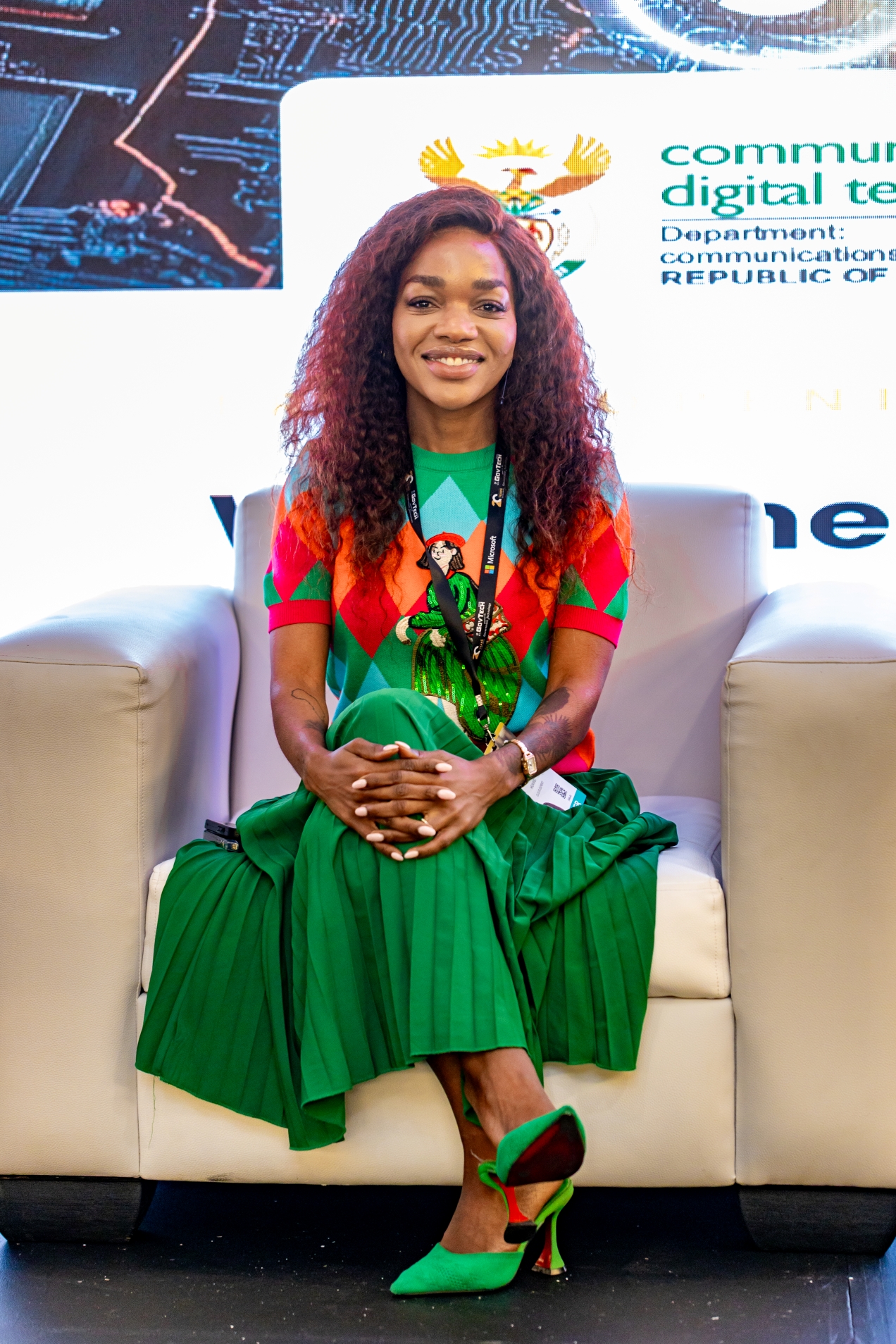
Panelists discussed South Africa’s government private cloud ecosystem and the practical role shared platforms can play in reducing duplication across departments.
Skills development and governance also featured strongly.
“The government private cloud ecosystem can provide a secure foundation for shared digital services across all spheres of government,” Matore said.
“Huawei is sharing global expertise and lessons to support Sita and public-sector stakeholders as the ecosystem continues to evolve.”
A reference architecture for inclusive AI
At its exhibition stand, Huawei presented its Inclusive Government AI Reference Architecture for South Africa, designed to help government build AI capability and deploy it securely. It brings together on-premises computing, national foundation models, sector-specific applications, talent development and ecosystem partnerships, while sectoral AI platforms support more specific government operations.
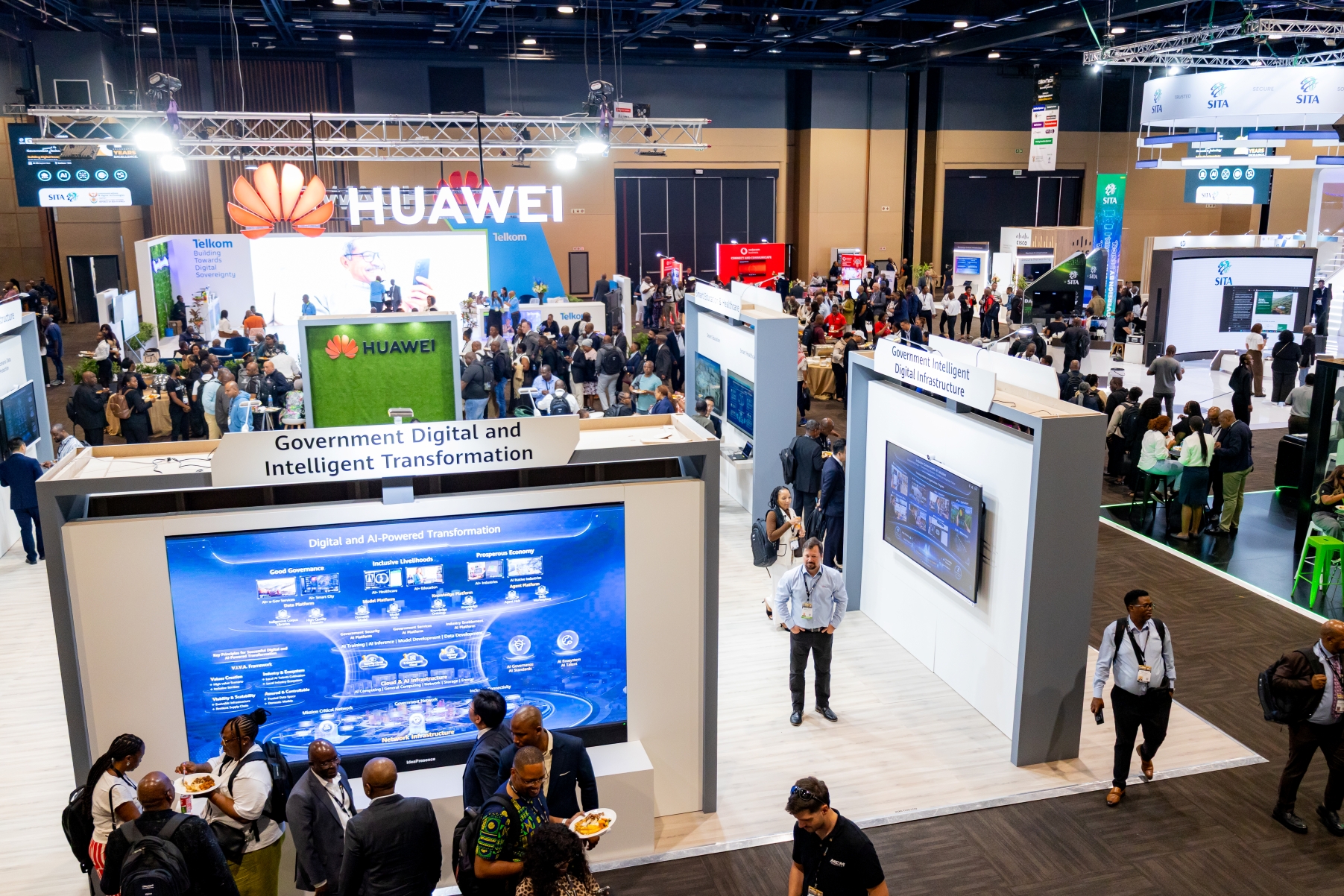
Huawei and its partners have co-launched solutions across eight industry sectors, covering more than 20 common AI agent scenarios that can be adapted for local use.
Huawei’s participation across GovTech 2026 highlighted the infrastructure and platforms needed to support more intelligent government services.
As GovTech enters its third decade, Huawei remains committed to its long-standing work with Sita and other public-sector stakeholders. The focus remains on its vision of AI for All: developing shared digital services that make a real difference for citizens.
This article is sponsored by Huawei.
- GovTech 2026 celebrated 20 years of collaboration between government and the technology sector, hosted by the State Information Technology Agency (Sita).
- Huawei emphasized the role of AI in automating routine tasks and enabling faster, data-driven decisions to improve South Africa’s public services.
- Peng Lu of Huawei highlighted the importance of a unified government service platform for citizens to access services and for departments to share data efficiently.
- Matamela Mashau presented on Day 2 about AI infrastructure and its practical applications in education, meteorology, and healthcare, proposing Huawei’s five-layer AI framework.
- Huawei showcased its Inclusive Government AI Reference Architecture for South Africa, supporting secure AI deployment and co-launched solutions across eight industry sectors.


