


Netball in South Africa is probably one of the most popular sports in many townships and rural areas after football and rugby, yet its growth rate is not encouraging.
The unfortunate and worrying part of it all is that even the netball leadership in the country does not seem to have clear solutions and answers to some of the questions.
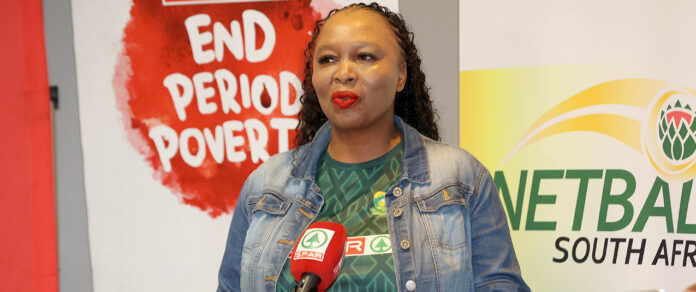
Recently, in a radio interview, Netball SA president Mami Diale came across as someone who could not take accountability for some of their shortfalls and was vague in some of her answers.
Just like women’s football, netball is not yet professionalised, which is a matter of concern given the number of girls who play the sport at a foundation or grassroots level.
“We are trying to professionalise netball because the main issue is the gap between players who finish high school and go to university. You will find that players who excel choose education, but for us to retain those players, we need a lot of money to pay them,” Diale said.
Indeed, some of the challenges Diale raised were similar to those that were touched on by former Spar Proteas players and coach Dumisani Chauke, and Gauteng Schools convener Nelly Makhathini, at the launch of the PEP Mini Netball recently, where they held a coaching course for teachers.
Chauke and Makhathini dived deep into the conversation and addressed the majority of the challenges hindering the growth of netball in the country.
“We’re definitely falling short in the system. I mean, there’s always room for improvement. We could be doing more.
“If we had the kind of facilities that other countries have, whether it’s indoor facilities or outdoor facilities, we would be able to then reach more coaches,” Chauke said.
“So, there are several challenges that netball in our communities is facing. First, accessibility. Number two, resources in terms of facilities and coaches. Number three, the reach in terms of geographical location.
“So, you will find that learners who go to schools in an advantaged area or in a city are in a more advantaged position because they have access to better coaches, coaches who get paid.
“It’s about who’s next door, and who decides to coach the children,” Chauke said
“And you might find she’s not that equipped on this coaching thing, and she’s doing it for the love of it. So, it’s initiatives like the Pep mini netball that assist in closing the gap and empower our teachers and coaches who are doing it for the love of it to say, “Yes, you’ve got the passion; let us help you with the skill so you can coach these kids better.”
Makhathini, who has been a part of netball since 1998, was amongst the three teachers who were identified to start mini netball and write a coaching manual that will help contribute towards the growth of the sport.
“Ever since we started, because the coaching manuals are there, teachers just use those manuals to coach one-to-one.
“There are many schools in South Africa, so if we are going to concentrate on the lack of sponsors, it means now our schools will never play mini netball.
“So, we always encourage them to start with anything and improvise, especially in disadvantaged schools, because they normally say they don’t have the correct tools, they don’t have gear, they don’t have equipment.
“Even if they don’t have a coach at school, as long as they’ve got skills of implementing mini netball to the younger ones, and we’re very fortunate with Pep because Elsje [Jordaan] has designed a programme that is helping the teachers know where to start and what to do,” she added.
- Netball is one of the most popular sports in South African townships and rural areas, following football and rugby.
- Despite its popularity, the growth rate of netball in South Africa is stagnant and concerning.
- There is a lack of clear leadership and strategic solutions within the national netball administration.
- The leadership struggles to address key challenges facing the sport’s development.
- Full details and analysis are available in the e-edition of Sunday World.


