


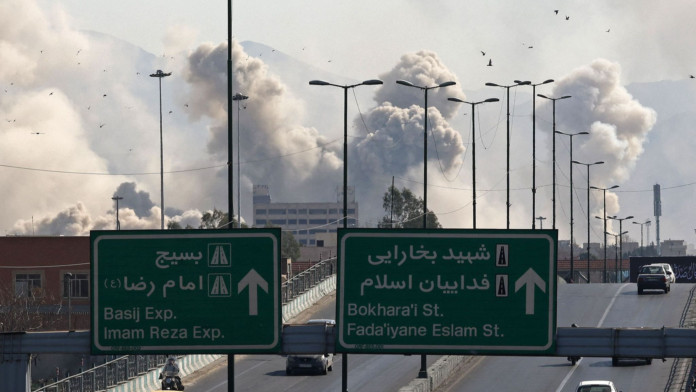
The Israeli military said on Thursday that it had launched another wave of strikes on infrastructure in the Iranian capital, as the US-Israel action against Iran entered its sixth day.
The Israel Defense Forces made the announcement on X.
It added that it detected missile attacks from Iran before dawn on Thursday. Sirens and loud blasts were heard in Tel Aviv as air defense systems tried to intercept the Iranian missiles.
Iran’s Red Crescent Society said on Thursday that the US-Israeli airstrike campaign has hit 174 cities across the country. To date, the organisation has recorded at least 1,332 attacks across 636 locations.
Israel targets south, east Lebanon
Lebanon’s official media reported that eight people were killed and an unspecified number wounded on Thursday morning in multiple Israeli airstrikes in the country’s south and east.
The National News Agency (NNA) reported that three people were killed when an Israeli drone struck a car at dawn near Al-Qlailah in southern Lebanon. Two others were killed in another drone strike on a car on the Zahle road in eastern Lebanon.
NNA reported that three more people were killed and several others wounded when three air strikes hit the area between the towns of Zawtar and Kfar Tebnit in southern Lebanon.
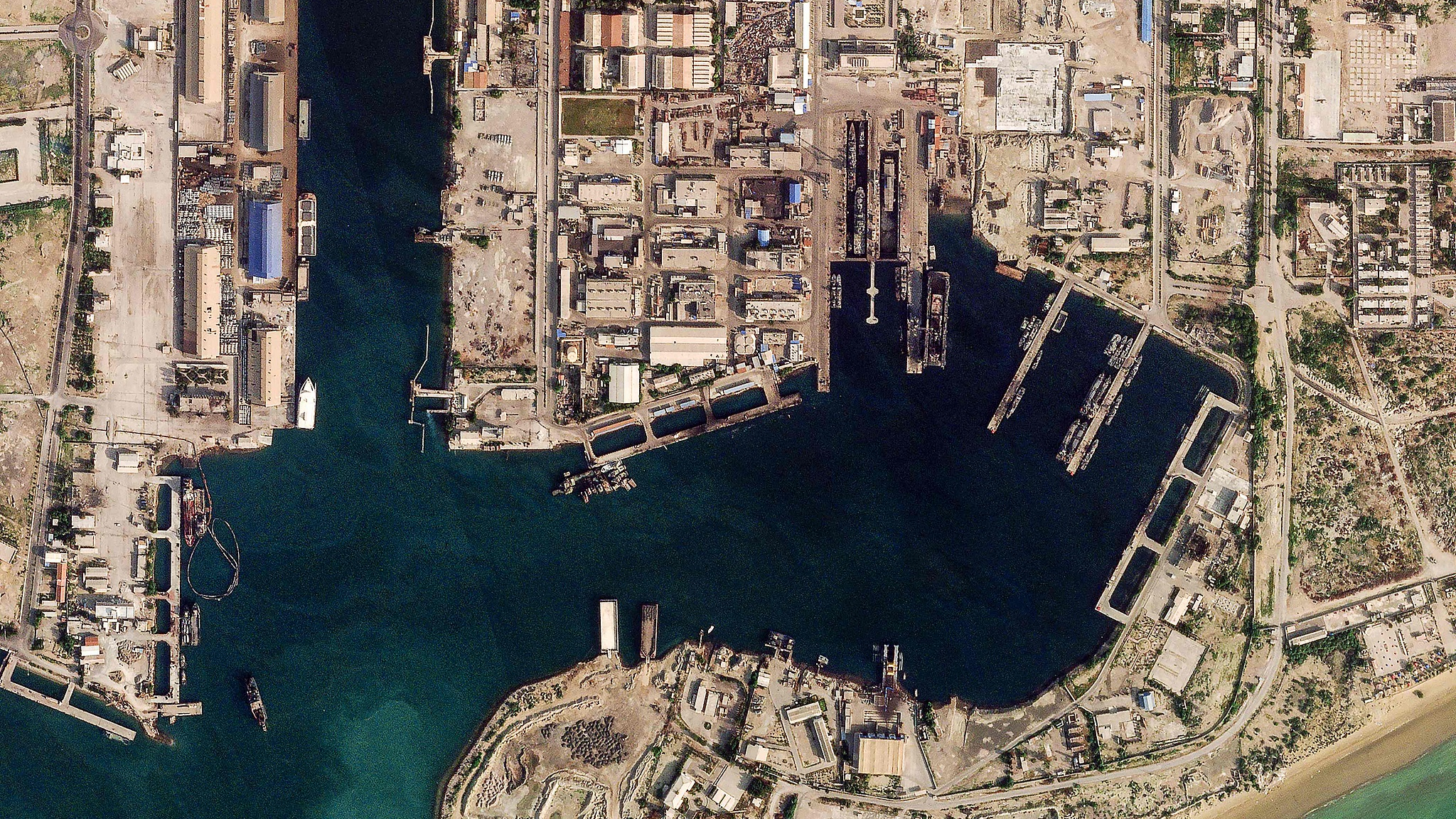
US sub torpedoes Iranian warship
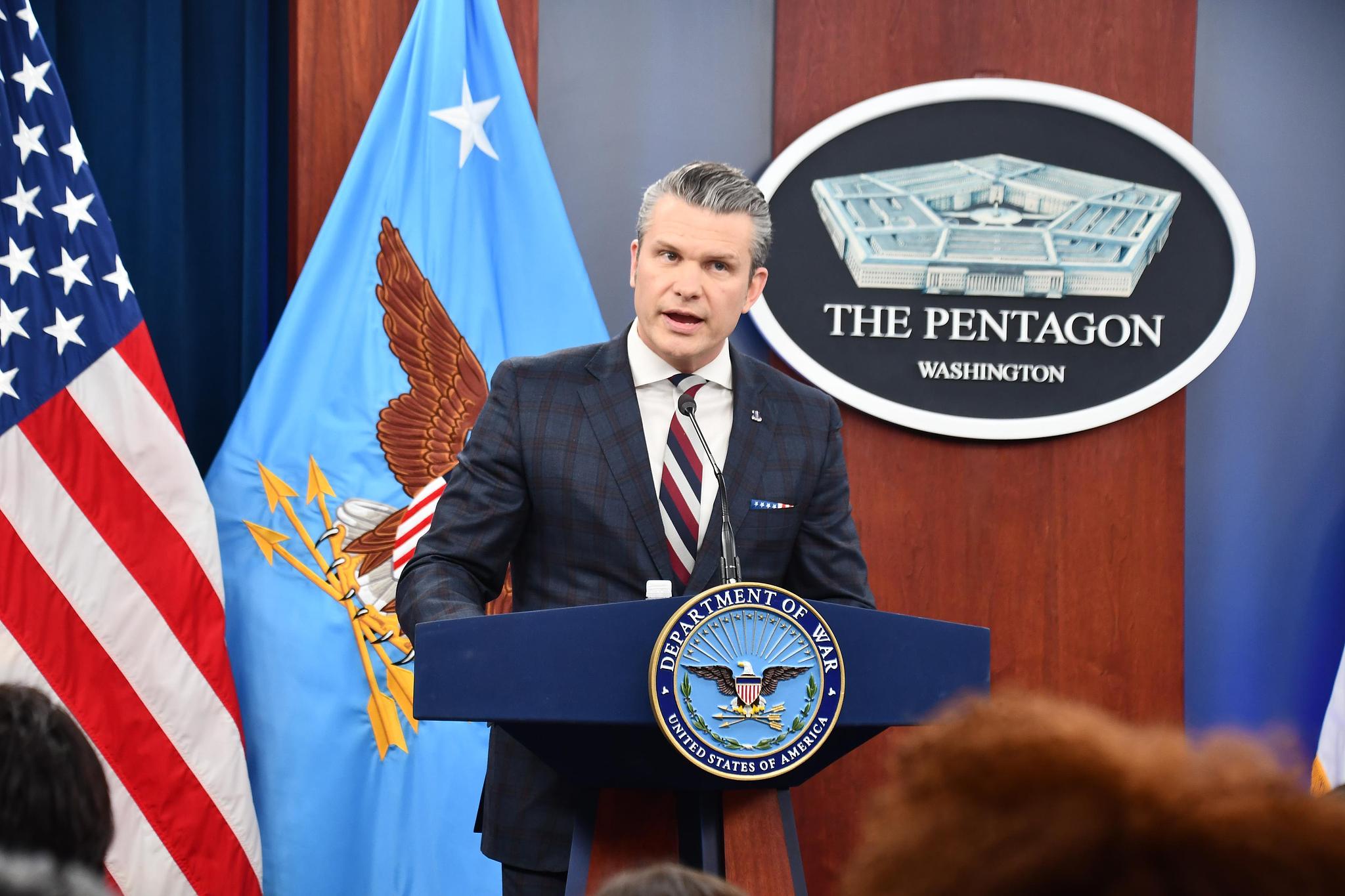
Addressing the media at the Pentagon on Thursday, US Secretary of Defense, Pete Hegseth said that a US submarine sank an Iranian warship in international waters.
“The first sinking of an enemy ship by a torpedo since World War II,” Hegseth claimed.
On Saturday morning, US-Israeli airstrikes against Iran killed Iran’s Supreme Leader Ayatollah Ali Khamenei, along with some of the leader’s family members, senior military commanders and civilians. Iran responded with waves of missile and drone attacks targeting Israel and US bases across the Middle East.
Democrats fail to rein in Trump
The US Senate on Wednesday failed to advance a war powers resolution aimed at curbing US President Donald Trump’s military operations against Iran, as Democrats and Republicans remain sharply divided over the issue.
With a 53-47 vote, the Republican-led upper chamber blocked the resolution, which intended to prevent Trump from ordering further military strikes on Iran without congressional approval.
In speeches before the vote, Democrats largely lashed out at the military strikes, while Republicans predominantly defended the president.
Veteran Democratic Senator Tim Kaine, who co-sponsored the measure, said that “the administration and their shifting set of rationales, even in a classified setting, could produce no evidence, none, that the US was under an imminent threat of attack from Iran.”
“Have we learned nothing from 25 years of war in the Middle East? 14,000 American troops and contractors killed in Iran and Afghanistan…hundreds of thousands of civilian deaths…in Iran and Afghanistan, more than 8 trillion spent that could have been spent on American health care, on American housing, on American education, spent on the war in Afghanistan and Iraq. And what did we get for it?” asked Kaine.
Democratic Senator Patty Murray, Vice-Chair of the Senate Appropriations Committee, said “we should not gamble American lives on incomplete plans, unclear objectives and completely uncertain future.”
Republicans argued that Trump’s actions in Iran were necessary and justified, accusing Democrats of objecting to Trump’s actions for partisan reasons.
Iran vows not to abandon war
Iran has also not closed the Strait of Hormuz, local media reported on Thursday, citing a military official.
“We have not closed the Strait of Hormuz, and we deal with passing ships there according to international protocols,” Deputy Commander of Khatam al-Anbia Central Headquarters Kiumars Heidari told Iran’s state-run IRIB TV.
“We have resolved that unless we break America’s horn and leave it disappointed and despairing, we will not abandon this war,” said Heidari.
“It doesn’t matter to us how many days this war lasts,” he added. “We will end this war when we have achieved our objectives.”
‘US violated international norms’
Iran is “fully prepared” to defend itself and will continue to resist “brutal aggression” by the United States and Israel, the Iranian Ambassador to South Africa, Mansour Shakib Mehr, has said.
The assassination of Khamenei by US and Israeli forces “represents a dangerous and unprecedented violation of international norms,” Mehr told the media in Pretoria on Wednesday night.
“As heads of state are considered inviolable and immune under international law, targeting such a figure undermines the very foundations of sovereign equality,” he added.
Mehr said that waves of strikes had extended beyond military installations to civilian areas.
Russia calls for ‘immediate ceasefire’
One Iraqi soldier was killed and two wounded in an unidentified air and ground attack during a security operation in central Iraq’s desert region.
During a phone call with Russian Foreign Minister Sergey Lavrov, Iraqi Foreign Minister Fuad Hussein emphasised that the solution to the ongoing conflict lies in an “immediate ceasefire.” Hussein cautioned that the closure of the Strait of Hormuz and continued hostilities have disrupted maritime traffic in the region, creating increasing difficulties for Iraq and neighbouring countries in exporting crude oil.
UAE in firing line
The Ministry of Defense of the United Arab Emirates (UAE) said that its air defense forces detected 189 ballistic missiles, eight cruise missiles and 941 drones during the recent attacks. Of those, 175 ballistic missiles and all eight cruise missiles were intercepted, while 876 drones were shot down.
UAE Minister of State for International Cooperation Reem bint Ibrahim Al Hashemi reaffirmed the country’s balanced approach in confronting regional conflicts, emphasising that the UAE does not seek to widen the scope of confrontation.
Regional aid operations affected
At least 20 people were killed and 283 others injured in Israeli attacks across Lebanon over the past 24 hours, raising the casualty toll since Monday to 72 deaths and 437 injuries, Lebanon’s Public Health Emergency Operations Center at the Ministry of Public Health said.
Israeli military vehicles advanced along the border strip in southern Lebanon, constructing earthen berms and carving field roads up to 2km inside Lebanese territory, while a UN agency reported that 7 children were killed in a single day amid intensifying hostilities.
The Middle East conflict is severely impacting aid operations across the region, with disruptions to shipping and travel routes affecting relief supply chains, UN humanitarians said on Wednesday.
Threat to food security
The UN Office for the Coordination of Humanitarian Affairs (OCHA) added that the disruptions curb the movement of aid workers and threaten to worsen food insecurity in many areas.
OCHA said Lebanese authorities reported that more than 50 people were killed and hundreds more injured in the past two days.
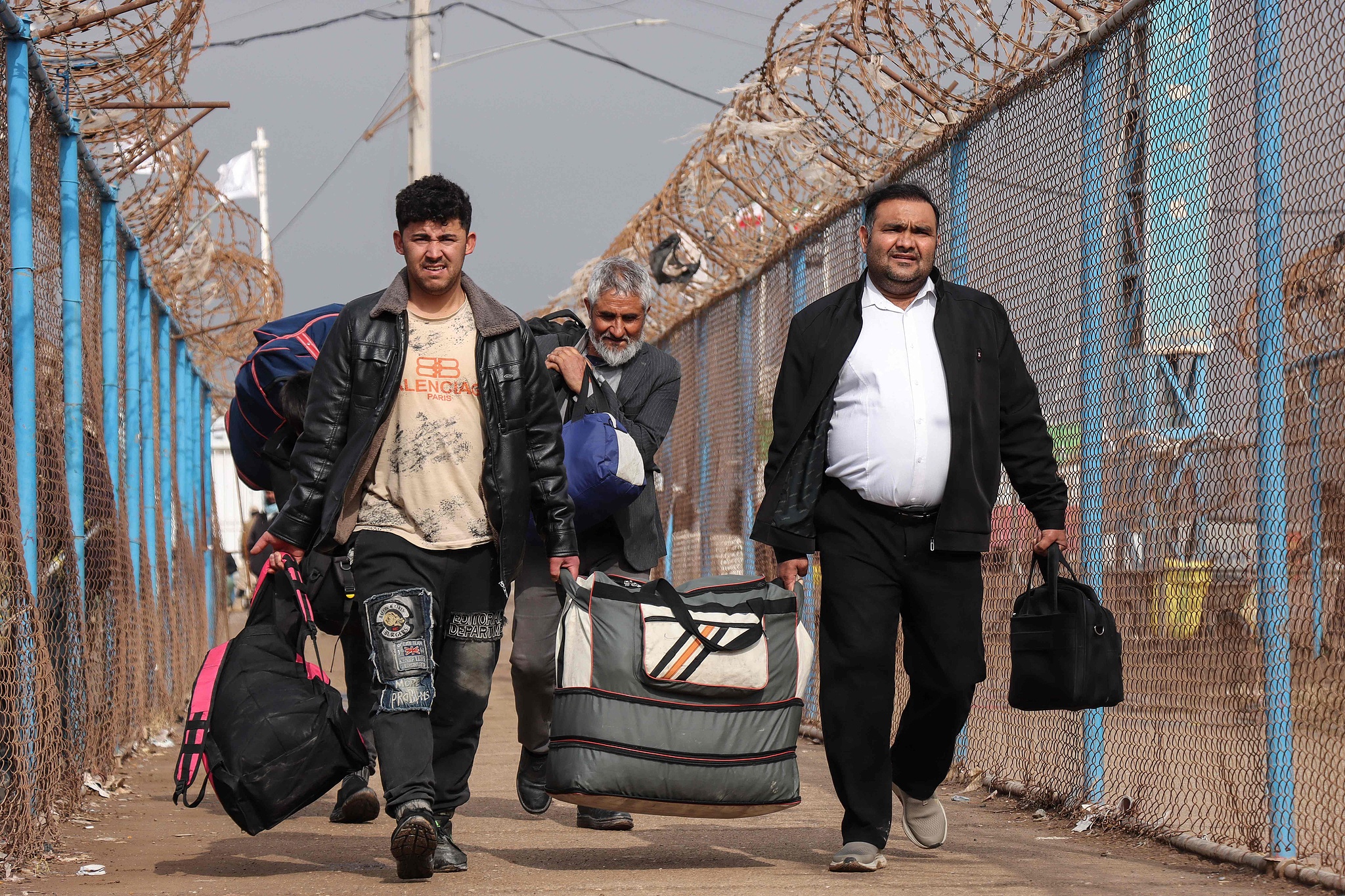
“Civilians continue to flee, often with little more than the clothes they are wearing and what they can carry,” the office said. “Since the onset of hostilities, at least 80,000 people have sought refuge in collective shelters, according to the authorities. However, this represents only a fraction of all people who have been displaced.”
Many thousands displaced
Forced displacement orders continue to be issued, including one on Wednesday covering the entire area south of the Litani River, home to hundreds of thousands of people.
“Humanitarian partners are working closely with national and local authorities,” OCHA said. “Rapid response teams are assessing needs and distributing emergency supplies in affected areas and collective shelters. So far, partners working in food security have reached more than 20,000 displaced people with hot meals and over 15,000 with ready-to-eat food.”
‘Global economic resilience tested’
Kristalina Georgieva, managing director of the International Monetary Fund (IMF), said on Thursday that global economic resilience has been tested yet again by the new conflict in the Middle East.
“This conflict, if it proves to be more prolonged, has obvious potential to affect global energy prices, market sentiment, growth and inflation, placing new demands on policymakers,” according to Georgieva’s opening remarks made at the Asia in 2050 Conference in Bangkok.
Underscoring uncertainty is the new normal, Georgieva warned that new shocks in different shapes and sizes will keep coming.
For most of Asia, what is at stake is energy security and, through that, confidence, said Georgieva, noting that stock markets are already reacting.
(With input from agencies)


