


Kenya has requested rapid financial support from the World Bank to help it manage the shocks from the war in Iran, its central bank governor told Reuters on Thursday.
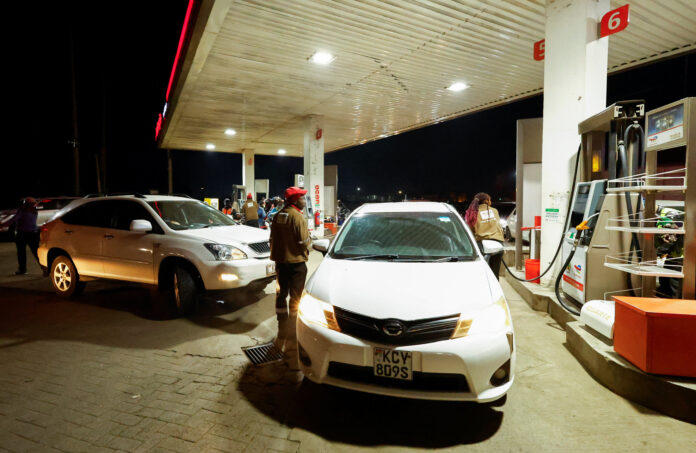
Like other nations that are heavily reliant on energy imports, the East African country is scrambling to stave off shortages of essential commodities, including petrol, while managing cost increases that could drive up inflation.
The request for funds was “significant”, Kamau Thugge told Reuters on the sidelines of the IMF World Bank spring meetings, without providing a figure.
Any help would be in addition to a budgetary support loan, known as development policy operations, that both sides were discussing before the outbreak of the crisis, he said.
‘Rapid Response Support’ is an umbrella term used by the World Bank for its fast‑disbursing financial windows and policy support that helps countries respond quickly to shocks or crises.
Close eye on currency
Kenya’s shilling weakened slightly at the peak of the fighting between the US and Israel and Iran but has since clawed back most of the losses, Thugge said.
“If there’s pressure…definitely it will depreciate,” he said, adding that the central bank has enough reserves to curb volatility.
“What I would say is that depreciation will be orderly. The whole point about why we have been building these international reserves to where they are, to the highest levels, was precisely to be able to avoid excessive volatility.”
Hard-currency reserves at the central bank stand at above $13-billion, equivalent to 5.8 months’ worth of import cover.
The central bank was pressing ahead with its plan to add gold into its reserves, Thugge said, adding that policymakers were studying domestic gold purchase models that have successfully been used by other countries.
Asked about future interest rate moves, Thugge said this would be determined by economic data in the run-up to June’s policy meeting.
The central bank paused its easing cycle at last week’s meeting, opting to hold rates to assess the impact of the oil price shock.
- Kenya has requested rapid financial support from the World Bank to manage shocks caused by the war in Iran, particularly affecting energy imports and inflation.
- The requested funds are additional to an existing budgetary support loan under discussion before the crisis began.
- Kenya's currency, the shilling, experienced slight depreciation during the conflict but has mostly recovered, supported by the central bank's sizeable reserves.
- Kenya's central bank holds over $13 billion in reserves (5.8 months of import cover) and is planning to add gold to its reserves by studying successful domestic gold purchase models.
- The central bank paused interest rate cuts recently to evaluate the oil price shock's impact, with future rate decisions depending on upcoming economic data.


