


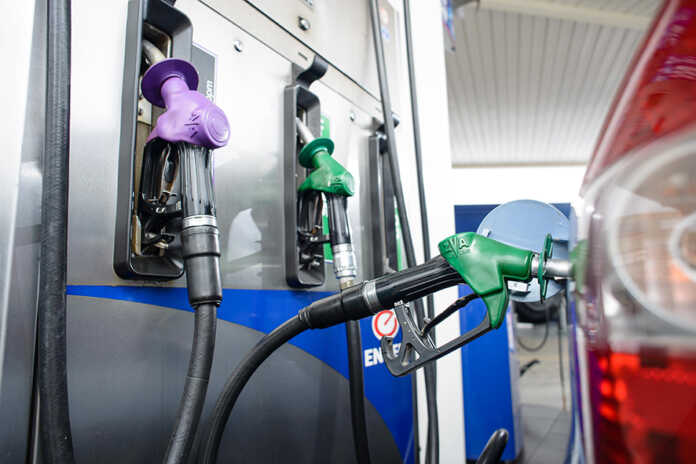
Government is facing mounting pressure to stabilise fuel costs and calm public anxiety as fears of shortages and sharp price increases spread across the country.
This comes amid growing tensions in the Middle East after Iran blocked the Strait of Hormuz on 2 March. It is a critical route for much of the world’s oil exports.
Possible increases of R4 to R9 per litre
As the conflict continues, South Africa faces fuel increases of between R4 and R9. This would be the highest since Russia invaded Ukraine Russia in 2022, and will push petrol prices to over R26 a litre.
The Central Energy Fund warns that the basic price for diesel and illuminated paraffin may rise to around R25 a litre.
DA calls for reduced fuel levy
Mark Burke, Democratic Alliance Finance Spokesperson, said the government should consider reducing the fuel levy by 50% to ease pressure on already struggling households.
“Today, we have put forward our fuel levy pause plan and what it means is that if we implement this plan. There’s going to be a 50% reduction in the general fuel levy and the general Road Accident Fund levy for a combined more than R3 reduction in the price of petrol and diesel.
“We have put together a funded plan, meaning we are able to fund this without increasing taxes for South Africans, and we are calling on the ANC to work with us to avoid the train smash heading to South Africans in the form of an unaffordable petrol and diesel increase,” warned Burke.
Regulated fuel pricing model
Xoliswa Macingwane, Head of Economic Regulation at the Fuels Industry Association of South Africa, said while global tensions are driving the price volatility, the structure of South Africa’s fuel pricing system places responsibility on government policy decisions.
At the centre of this is the regulated pricing model which the Department of Mineral and Petroleum Resources oversees. It determines key components of the pump price, including levies and margins across the value chain.
‘Government has options to cushion consumers’
Macingwane explained that a large portion of what motorists pay is made up of taxes such as the general fuel levy and the Road Accident Fund levy, both adjusted annually. These charges flow directly into the national fiscus, limiting the state’s room to manoeuvre when global oil prices surge.
She said while the government cannot control international oil prices or the rand to dollar exchange rate, it does have options to cushion consumers. These include reviewing fuel levies, introducing more frequent price adjustments, or providing targeted relief to vulnerable sectors.
However, any intervention carries fiscal implications, particularly at a time when public finances are already under strain.
SA relies on imported fuel
South Africa’s reliance on imported fuel further complicates the picture. The basic fuel price, which reflects international oil prices, shipping costs and the exchange rate, makes up the bulk of the pump price and fluctuates monthly in line with global markets.
As the Middle East conflict persists, crude oil prices have remained elevated, raising the risk of sustained increases in local fuel costs. The pricing system’s monthly adjustment cycle means consumers may experience sharp hikes if under-recoveries accumulate during the month.
‘Current fuel supply remains stable’
Despite rising anxiety and reports of panic buying, the industry has moved to reassure the public on supply. Macingwane said the current fuel supply remains stable, supported by diversified import sources and maintained local stock levels.
“Global conflicts may create short-term disruptions, but a full shortage is unlikely unless the war escalates significantly and international supply declines,” she said.
The government-backed slate mechanism also plays a stabilising role, allowing fuel companies to recover temporary losses when global prices spike, thereby helping to ensure continuous supply.
Macingwane said the increased fuel price would also impact on transport costs, which feed into higher food and goods prices, while diesel price pressures are affecting sectors such as mining, manufacturing and logistics.


