


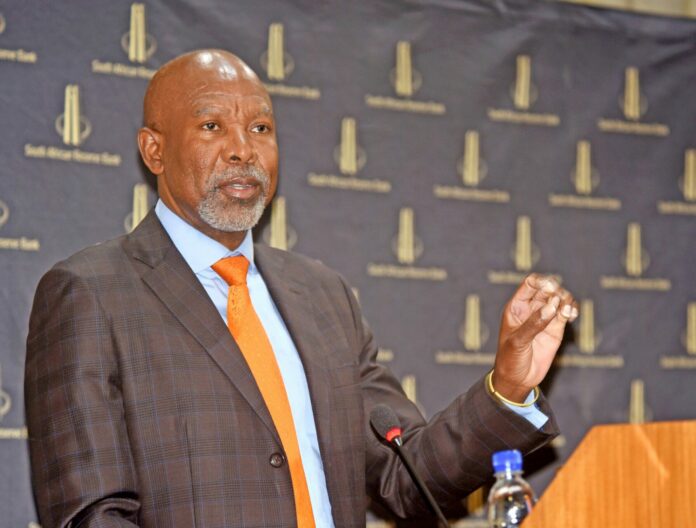
The South African Reserve Bank’s Monetary Policy Committee (MPC) has left the benchmark repo rate unchanged at 7.25%, opting for a pause in its tightening cycle despite mounting inflation risks linked to elevated fuel costs, global geopolitical tensions and a higher-for-longer global interest rate environment.
Governor Lesetja Kganyago announced that four MPC members supported keeping rates unchanged, while three members favoured a 25 basis point increase. This shows the committee’s concerns about persistent inflationary pressures.
Relief for consumers
The decision is likely to provide some relief to consumers and heavily indebted households already facing significant cost-of-living pressures, particularly from soaring transport and fuel expenses.
Petrol prices have climbed to nearly R30 per litre, compared with about R21 a litre a year ago, contributing to fuel inflation of around 40% and economic shocks that have seen transport being the single largest contributor to overall inflation.
Read more: Reserve Bank governor Lesetja Kganyago sees upside risks to inflation
While headline inflation remains above 5%, the central bank said the increase is being driven largely by fuel-related costs stemming from global geopolitical conflicts, higher refinery margins and rising shipping costs.
Inflation remains a concern
Although international oil prices have moderated in recent weeks, they remain elevated by historical standards.
“The committee decided to keep the policy rate unchanged, at 7.25%,” Kganyago said, noting that the central bank judged current policy settings to be moderately restrictive following two rate adjustments earlier this year. The pause comes against a backdrop of fragile economic growth.
Read more: Higher-denomination notes won’t solve inflation, Lesetja Kganyago tells shareholders
The Reserve Bank expects the economy to expand by around 2% annually over the forecast period, up from just over 1% currently, as domestic trade and consumer spending show signs of resilience following a contraction earlier in the year.
However, policymakers warned that inflation risks remain skewed to the upside. Food inflation is expected to accelerate from current low levels, the rand’s depreciation could lift import costs, and the developing El Niño weather pattern poses risks to agricultural production and food prices.
Global pressures persist
The MPC also highlighted growing concerns about global conditions. Major central banks continue to maintain a tightening bias as they battle stubborn inflation, while geopolitical conflicts continue to threaten energy markets. The Bank of England recently raised interest rates for the first time since 2023, and markets are anticipating further rate increases across several advanced economies.
Read more: Reserve Bank boss Lesetja Kganyago in tense exchange with activist over economy
Despite these risks, the Reserve Bank’s Quarterly Projection Model continues to indicate lower domestic interest rates next year, provided inflation moves back towards the Bank’s preferred 3% target.
For consumers, the decision to leave borrowing costs unchanged offers welcome breathing room at a time when rising fuel prices, higher transport costs and broader inflationary pressures have strained household budgets. However, the central bank emphasised that it remains prepared to raise rates again should inflation fail to moderate or if external shocks intensify.
“The committee is mindful of risks, and will not hesitate to raise rates if needed,” Kganyago said. The next MPC interest rate announcement is scheduled for January 28 2027.
- The South African Reserve Bank’s Monetary Policy Committee (MPC) kept the benchmark repo rate unchanged at 7.25%, with four members supporting the pause and three favoring a 25 basis point increase.
- The decision aims to provide relief to consumers and heavily indebted households facing high transport and fuel costs, with petrol prices nearing R30 per litre compared to about R21 a year ago.
- Inflation remains above 5%, primarily driven by fuel-related costs linked to global geopolitical conflicts, higher refinery margins, and rising shipping costs.
- The Reserve Bank expects economic growth of around 2% annually, up from just over 1%, but warns that inflation risks remain skewed to the upside due to factors like food inflation, rand depreciation, and the El Niño weather pattern.
- The MPC highlighted global pressures, including ongoing central bank tightening and geopolitical conflicts impacting energy markets, and stated it remains ready to raise rates if inflation does not moderate or external shocks intensify.
The South African Reserve Bank's Monetary Policy Committee (MPC) has left the benchmark repo rate unchanged at 7.25%, opting for a pause in its tightening cycle despite mounting inflation risks linked to elevated fuel costs, global geopolitical tensions and a higher-for-longer global interest rate environment.
Governor Lesetja Kganyago announced that four MPC members supported keeping rates unchanged, while three members favoured a 25 basis point increase. This shows the committee's concerns about persistent inflationary pressures.
The decision is likely to provide some relief to consumers and heavily indebted households already facing significant cost-of-living pressures, particularly from soaring transport and fuel expenses.
Petrol prices have climbed to nearly R30 per litre, compared with about R21 a litre a year ago, contributing to fuel inflation of around 40% and economic shocks that have seen transport being the single largest contributor to overall inflation.
Read more: Reserve Bank governor Lesetja Kganyago sees upside risks to inflation
While headline inflation remains above 5%, the central bank said the increase is being driven largely by fuel-related costs stemming from global geopolitical conflicts, higher refinery margins and rising shipping costs.
Although international oil prices have moderated in recent weeks, they remain elevated by historical standards.
"The committee decided to keep the policy rate unchanged, at 7.25%," Kganyago said, noting that the central bank judged current policy settings to be moderately restrictive following two rate adjustments earlier this year. The pause comes against a backdrop of fragile economic growth.
Read more: Higher-denomination notes won’t solve inflation, Lesetja Kganyago tells shareholders
The Reserve Bank expects the economy to expand by around 2% annually over the forecast period, up from just over 1% currently, as domestic trade and consumer spending show signs of resilience following a contraction earlier in the year.
However, policymakers warned that inflation risks remain skewed to the upside. Food inflation is expected to accelerate from current low levels, the rand's depreciation could lift import costs, and the developing El Niño weather pattern poses risks to agricultural production and food prices.
The MPC also highlighted growing concerns about global conditions. Major central banks continue to maintain a tightening bias as they battle stubborn inflation, while geopolitical conflicts continue to threaten energy markets. The Bank of England recently raised interest rates for the first time since 2023, and markets are anticipating further rate increases across several advanced economies.
Read more: Reserve Bank boss Lesetja Kganyago in tense exchange with activist over economy
Despite these risks, the Reserve Bank's Quarterly Projection Model continues to indicate lower domestic interest rates next year, provided inflation moves back towards the Bank's preferred 3% target.
For consumers, the decision to leave borrowing costs unchanged offers welcome breathing room at a time when rising fuel prices, higher transport costs and broader inflationary pressures have strained household budgets. However, the central bank emphasised that it remains prepared to raise rates again should inflation fail to moderate or if external shocks intensify.
"The committee is mindful of risks, and will not hesitate to raise rates if needed," Kganyago said. The next MPC interest rate announcement is scheduled for January 28 2027.


