


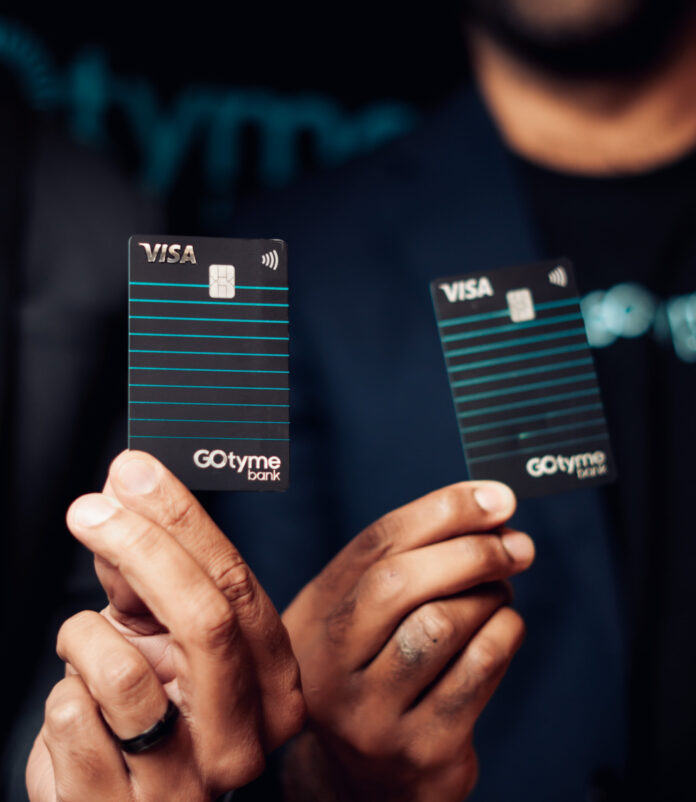
GoTyme Bank is pivoting towards a hybrid banking model as it moves beyond its challenger roots, combining digital scale with a growing physical presence in a bid to sustain growth and profitability.
The rebrand from TymeBank comes seven years after launch and reflects what CEO Cheslyn Jacobs describes as a transition into a more established phase of growth. The shift was formally marked at an event held at The Forum Hyde Park on Thursday.
140% growth in transactions
Jacobs announced during the launch that GoTyme now serves more than 21-million customers globally, including 13-million in South Africa. He said the bank receives at least 150 000 customers monthly, with 140% growth in transactions.
This scale has helped underpin GoTyme’s recent move into profitability, which is considered a milestone that positions the bank as one of the few digital banks on the continent to achieve sustainable earnings. Jacobs said profitability marked an inflection point but cautioned that the focus now shifts to execution.
“Becoming profitable showed that the model works. The next phase is about disciplined growth and maintaining customer trust,” said Jacobs.
Hybrid strategy
Central to this next phase is the bank’s hybrid strategy. While digital adoption continues to rise, with more than 1-million users migrating to the updated app, including over 200 000 previously inactive customers, GoTyme is also investing in physical infrastructure.
Nearly 30 customer hubs are already operating in retail centres nationwide, with plans to expand this network to at least 100. The hubs are intended to support customers who still require face-to-face assistance, while reinforcing brand visibility in high-traffic locations.
While GoTyme’s growth trajectory highlights the continued demand for low-cost, accessible banking, it also faces intensifying competition from both traditional banks and newer fintech entrants but Jacobs emphasised that they continue to stand out because of their lesser charges, including no charge on PayShap, an instant digital payment service.
Jacobs said maintaining growth while managing costs and customer acquisition will be critical as it scales further.
- GoTyme Bank is transitioning from a purely digital challenger to a hybrid banking model, combining digital services with physical customer hubs to drive growth and profitability.
- The rebrand from TymeBank marks seven years since launch and signals a new growth phase, with CEO Cheslyn Jacobs highlighting over 21 million global customers and 140% transaction growth.
- The bank has recently achieved profitability, making it one of the few sustainable digital banks in Africa, shifting focus to disciplined growth and customer trust maintenance.
- GoTyme is expanding its physical presence with nearly 30 customer hubs nationwide, aiming for 100, to support face-to-face service while boosting brand visibility.
- Despite rising competition from traditional banks and fintechs, GoTyme remains competitive through lower fees and free digital payment services like PayShap, with cost and customer acquisition management key to future scaling.


