


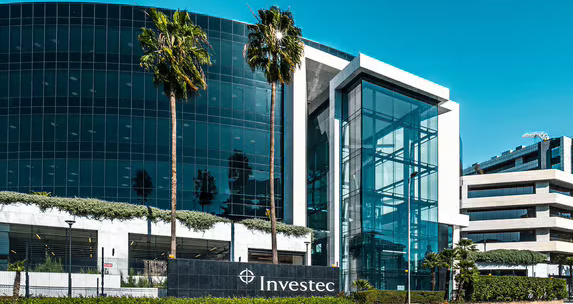
Investec, an international specialist bank and wealth manager, has flagged growing geopolitical tensions, stubborn inflation, and rising fuel costs as risks to weigh on its forward South African outlook.
In its latest annual financial results, the group revealed that its forward-looking macroeconomic scenarios show increased downside risk as the Middle East war persists and the knock-on effects are relevant for South Africa.
The board said that Investec Limited uses five different macroeconomic scenarios to guide its outlook in the country and the set is made up of a base case, two upside cases and two downside cases.
The weightings attached to these scenarios have been adjusted and have shown a shift in expectations.
Modest economic growth forecast
Less emphasis has been placed on the extreme upside case and the lite downside case, which were reduced from 2% to 1% and from 32% to 28%, respectively, while the base case was increased from 50% to 55%, indicating greater confidence in a steady outlook.
According to the board, the severe downside and main upside cases remained unchanged at 1% and 15%.
As such, the group predicts that economic growth in the country will remain modest but gradually improve to around 3% over a five-year period.
Overall, Invested reported that revenue increased to €2.3-billion from €2.2-billion, supported by more clients, higher lending and continued inflows into funds under management.
Net interest income improved due to growth in lending and lower funding costs in Southern Africa, although lower interest rates reduced some of the gains.
The group revealed that non-interest income rose on the back of higher banking fees, stronger wealth management income in South Africa, and increased client trading activity during volatile global markets.
Fani Titi, Investec Group chief executive, said the group delivered a resilient performance despite a difficult global backdrop, supported by its diversified business model and strong balance sheet.
Plan to grow private client strategy
He said adjusted earnings per share rose by 4.8% to 82.9 pence as the group continued to support clients while investing for long-term growth, adding that the bank does not take client trust lightly.
“We are making good progress with our strategy to enhance our platforms, leverage our franchises, and deliver long-term value for our stakeholders. We are on track to achieve returns at the upper end of our target range by the financial year 2030.
“Today we will present a business update on our private client strategy, outlining our plans to expand our proposition, strengthen cross-collaboration and evolve our business model to improve operating leverage,” said Titi.
Titi highlighted plans to expand the private client offering, deepen client relationships and improve efficiency through better integration across the business.
He said capital will continue to be deployed carefully to support returns, while the group remains focused on creating lasting value for clients, employees and communities.
- Investec flagged risks to South Africa's outlook including geopolitical tensions, inflation, and rising fuel costs amid the ongoing Middle East conflict.
- The bank adjusted its macroeconomic scenario weightings, increasing confidence in a steady base case (now 55%) and forecasting modest economic growth improving to around 3% over five years.
- Investec reported revenue growth to €2.3 billion driven by more clients, higher lending, and stronger wealth management income, despite some impacts from lower interest rates.
- CEO Fani Titi highlighted a 4.8% rise in adjusted earnings per share and emphasized progress on long-term growth through enhanced platforms and diversification.
- The group outlined plans to grow its private client strategy by expanding offerings, improving cross-business integration, and deploying capital carefully to boost returns and stakeholder value.


