


Global electricity demand from data centres is expected to more than double by 2030, driven largely by the rapid expansion of artificial intelligence (AI), cloud computing and digital services, presenting significant opportunities for South Africa’s energy sector.
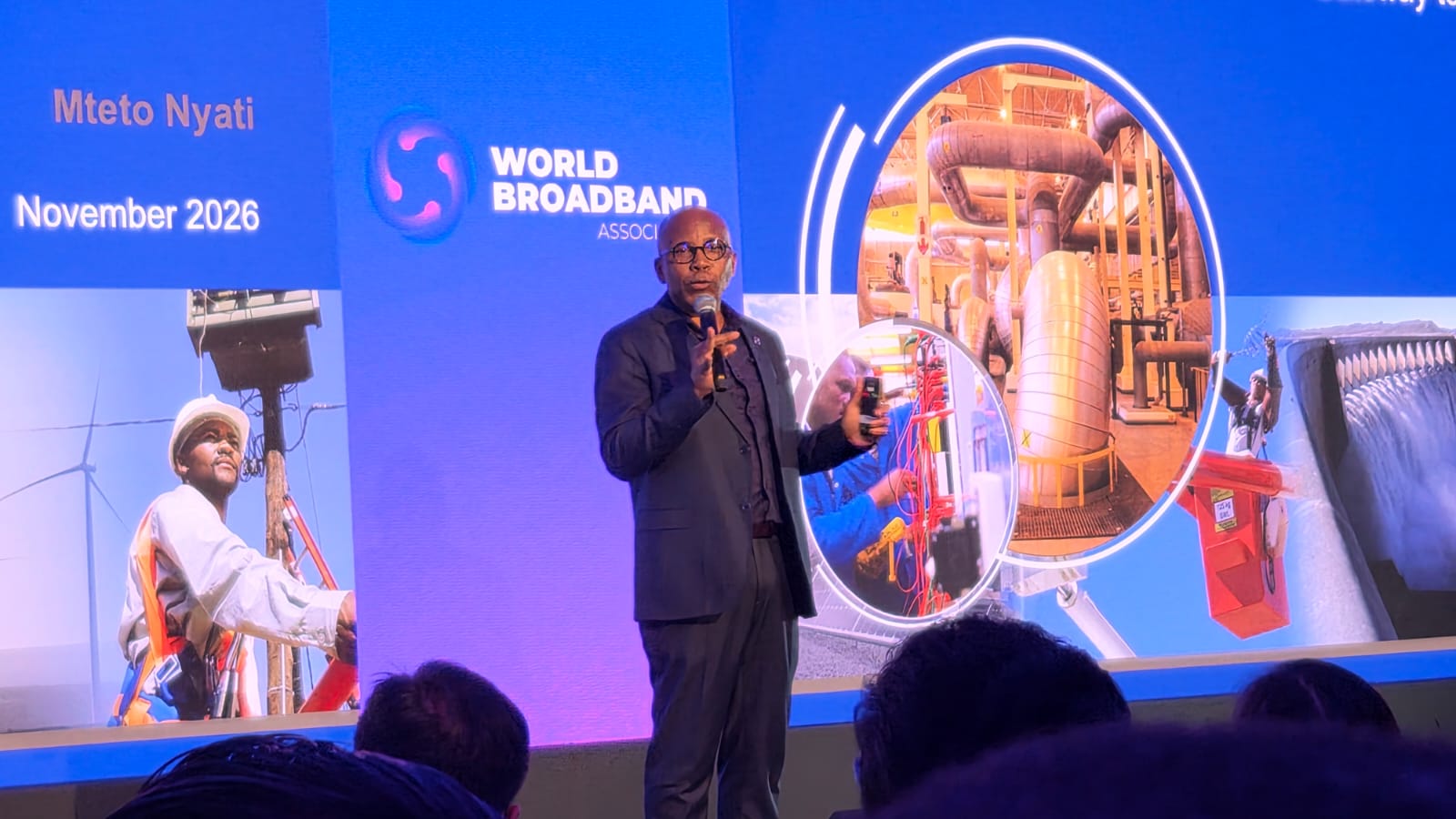
Eskom chairman Dr Mteto Nyati told delegates attending the World Broadband Association Congress in Cape Town on Monday that global data centre electricity consumption was projected to increase from 415 terawatt-hours (TWh) in 2024 to 945 TWh by 2030.
READ: Eskom wants another 8% electricity price hike – MPs demand answers about R122bn debt
Global electricity demand from data centres is expected to more than double by 2030, driven largely by the rapid expansion of artificial intelligence (AI), cloud computing and digital services, presenting significant opportunities for South Africa’s energy sector.
The congress preceded the opening of the 29th Africa Tech Festival on Tuesday, which brings together international technology companies, telecommunications operators and policymakers to discuss the continent’s digital future.
South Africa well positioned for data centre boom
Nyati said Africa’s data centre electricity demand could increase almost threefold, from 2.55 TWh in 2025 to 6.95 TWh by 2030, although the continent would continue accounting for less than 1% of global demand. South Africa is particularly well positioned to benefit, currently hosting approximately 70% of Africa’s operational commercial data centre capacity.
Nyati said Eskom was transitioning from stabilising electricity supply towards supporting economic growth, with increasing demand expected from data centre investments and the adoption of electric vehicles. According to Eskom’s presentation, its energy availability factor improved from 54.6% in the 2024 financial year to 67.8% in the current financial year to date.
Reliable power key to attracting investment
The utility estimates that between 4 000MW and 6 000MW of surplus generation capacity could become available over the coming years. However, Nyati emphasised that reliable and affordable electricity would be critical to attracting investment, alongside predictable tariffs and improved infrastructure.
He also highlighted the importance of regional integration through the African Continental Free Trade Area (AfCFTA), particularly harmonising digital trade regulations to facilitate cross-border investment.
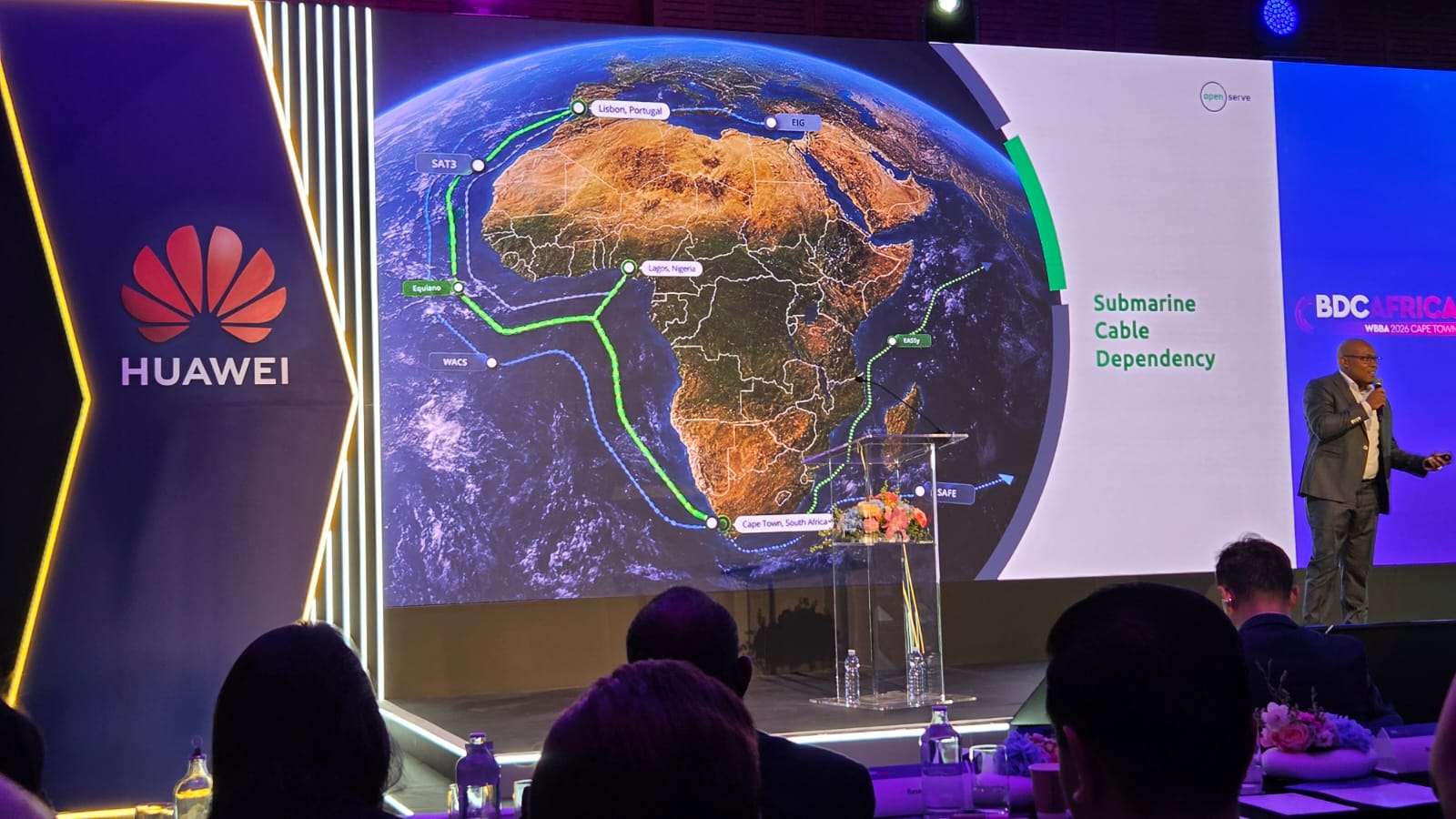
Meanwhile, Openserve executive Amu Maja warned that Africa’s broadband infrastructure remained fragmented, calling for greater integration between telecommunications networks. Maja argued that the continent should not depend exclusively on submarine cables for connectivity, stressing the importance of resilient terrestrial infrastructure and improved regional interconnection.
Huawei’s vice-president for its Optical Business Product Line, Yongqiang Yuan, similarly emphasised accelerating fibre deployment to support Africa’s expanding digital economy. According to figures presented by Huawei, Africa’s international internet traffic increased by 25% over the past year, while domestic traffic grew by 32%.
Despite this growth, fibre-to-the-home penetration increased only from 3.9% to 4.7%, highlighting the considerable connectivity gap. Yuan said expanding affordable fibre infrastructure, improving broadband speeds and strengthening network resilience would be essential to supporting AI adoption and digital inclusion.
Kenya targets major broadband expansion
Kenya’s Secretary of ICT Infrastructure, Washington Okoth, outlined his country’s National Broadband Strategy, which seeks to expand household broadband connectivity significantly by 2032. Currently, approximately 1.7 million Kenyan households have broadband connections, with the government targeting six million households by 2032.
Okoth also highlighted Kenya’s ambitions for wider 5G deployment, while emphasising ethical AI development and cooperation between governments, telecommunications operators and technology companies.
The discussions underscored a common challenge facing African economies: ensuring that electricity generation, affordable broadband infrastructure and coordinated government policies keep pace with accelerating technological development.
- Sunday World is attending Africa Tech Festival 2026 in Cape Town as a guest of Huawei South Africa.
Join the Sunday World WhatsApp channel, to get the latest news delivered straight to your phone.
- Global electricity demand from data centres is expected to more than double by 2030, driven largely by the rapid expansion of artificial intelligence (AI), cloud computing and digital services, presenting significant opportunities for South Africa’s energy sector.
- Eskom chairman Dr Mteto Nyati told delegates attending the World Broadband Association Congress in Cape Town on Monday that global data centre electricity consumption was projected to increase from 415 terawatt-hours (TWh) in 2024 to 945 TWh by 2030.
- READ: Eskom wants another 8% electricity price hike – MPs demand answers about R122bn debt Global electricity demand from data centres is expected to more than double by 2030, driven largely by the rapid expansion of artificial intelligence (AI), cloud computing and digital services, presenting significant opportunities for South Africa’s energy sector.
- The congress preceded the opening of the 29th Africa Tech Festival on Tuesday, which brings together international technology companies, telecommunications operators and policymakers to discuss the continent’s digital future.
- Openserve executive Amu Maja warned that Africa’s broadband infrastructure remained fragmented, calling for greater integration between telecommunications networks.


