



The Johannesburg Magistrate’s Court has dismissed a harassment application brought by Southern African Music Rights Organisation (Samro) CEO Annabell Lebethe against musician and music rights activist Owen Ndlovu.
The ruling stated that the evidence presented did not meet the legal threshold required under the Protection from Harassment Act.
‘No sustained pattern of harassment’
In the judgment delivered on July 17, Johannesburg magistrate Monique Anne Thirtle discharged an interim protection order that had been granted in March 2025, finding that Ndlovu’s conduct, while including one intimidating message, did not constitute a sustained pattern of harassment as defined by law.
The dispute forms part of a broader conflict between the parties involving governance disputes at Samro, allegations of corruption, litigation over commercial leases and an ongoing defamation case.
Lebethe approached the court in March last year after alleging that Ndlovu had harassed and intimidated her through threatening communications. She also made reference to his conduct at Samro’s Johannesburg offices and comments made during a podcast.
The court heard that both parties work from the same building in Braamfontein, although on different floors, and that Ndlovu’s company, One Rights Management CC, had previously provided services to Samro before its contract and lease agreement were terminated.
History of disputes between the parties
The judgment outlines a history of disputes between the parties dating back to 2023 following the commissioning of the Fundudzi forensic report into the alleged misappropriation of funds at Samro.
The court noted that Ndlovu had publicly challenged Samro’s leadership, called for the removal of board members during the organisation’s annual general meeting and reported alleged corruption involving Lebethe and the board chairperson to police before the harassment application was launched.
One of Lebethe’s complaints centred on a WhatsApp message sent by Ndlovu in December 2024, which she described as threatening and intimidating.
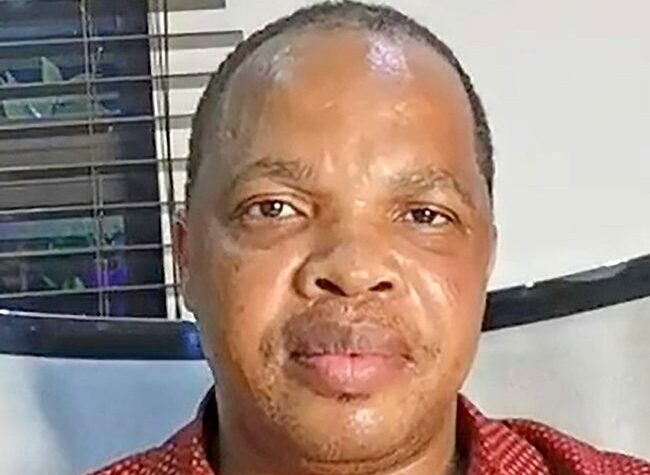
Thirtle accepted that the message could reasonably be interpreted as harassment.
“The court is satisfied that the first message sent in December 2024 can be construed as harassment,” the judgement states.
However, the magistrate held that a single incident was insufficient to justify a protection order because harassment generally requires repeated conduct or behaviour causing ongoing fear or serious distress.
Ndlovu’s firearm incident
Another major issue before the court involved an incident on March 5 2025, when Ndlovu entered the Samro building while carrying a licensed firearm.
Lebethe alleged that his presence with the firearm intimidated staff and was directed at her.
However, witnesses testified that Ndlovu never removed or brandished the firearm and repeatedly stated it was carried for his own protection after previous confrontations with security personnel.
The court found there was no evidence that Ndlovu attempted to confront Lebethe or even discussed her during the visit.
“Merely carrying the weapon is not sufficient to amount to harassment,” the magistrate ruled.
“The respondent was not there to see the applicant, never made reference to the applicant and stated in no uncertain terms it was for his protection.”
‘Podcast comments not harassment’
The court also declined to treat comments made by Ndlovu during a later podcast as harassment, finding they related primarily to allegations of corruption and governance at SAMRO.
Those statements are already the subject of separate defamation proceedings.
Significantly, Thirtle criticised aspects of Lebethe’s application, saying important facts had not been disclosed when the interim protection order was initially obtained.
The judgement found that the application omitted material information, including that Ndlovu had stated the firearm was for self-protection and that his lease had already been terminated before the March incident.
“The interim order was obtained on half truths and incomplete information that was indeed detrimental to the respondent,” the magistrate said.
Although the court stopped short of finding that Lebethe had abused the legal process, it warned against using harassment legislation for purposes other than protecting genuine victims.
Quoting a recent High Court judgment, Thirtle cautioned that protection orders should not be “weaponised to punish rather than to protect,” adding that misuse of the legislation could undermine confidence in the justice system.
The court ultimately dismissed the application, discharged the interim protection order and ordered that each party pay its own legal costs.
‘I believe I have been vindicated’
Speaking to Sunday World after judgement, Ndlovu said that he always believed in justice and stated that the court outcome has strengthened that belief.
“The courts remain the proper platform to resolve disputes, and I believe I have been vindicated after the harassment case against me was dismissed. From the beginning, I maintained that the allegations lacked factual basis, that crucial evidence was omitted, and that the matter was driven by personal motives to damage my reputation.
“I also believe the dispute should have been resolved through Samro’s internal processes rather than through costly litigation, which forced me to spend money defending my name. The court did not find that I carried a firearm, and I maintain that the witnesses were placed under pressure and that the case should never have reached court.
“My focus now is on accountability and governance within Samro and the broader music industry. I remain committed to speaking out publicly about what I believe are governance failures and corruption affecting artists. I believe my actions were aimed at protecting artists’ interests rather than harming the organisation, and I intend to continue advocating for reform. Through Artist United, I want to see collecting societies held accountable and believe this court outcome marks the beginning of a broader campaign to improve governance and ensure artists benefit economically.”
In its response, Samro said that Lebethe acknowledged the court’s judgment in the protection order proceedings.
“She is taking time to carefully consider the judgment and its implications before determining whether any further response is warranted. It would therefore be inappropriate to comment further at this stage,” said Samro.
- The Johannesburg Magistrate's Court dismissed a harassment case filed by Samro CEO Annabell Lebethe against musician Owen Ndlovu, ruling the evidence did not meet legal standards for harassment.
- The court found only one potentially intimidating message from Ndlovu but ruled a single incident was insufficient to constitute ongoing harassment required for a protection order.
- An incident where Ndlovu carried a licensed firearm into the Samro building was not deemed harassment, as he did not brandish it or target Lebethe, and stated it was for self-protection.
- The court criticized Lebethe’s initial application for omitting key facts, warning against misuse of harassment laws to punish opponents, and emphasized such laws should protect genuine victims.
- Ndlovu welcomed the judgment, claiming vindication and reaffirmed his commitment to advocating for accountability and governance reforms within Samro and the music industry.


