


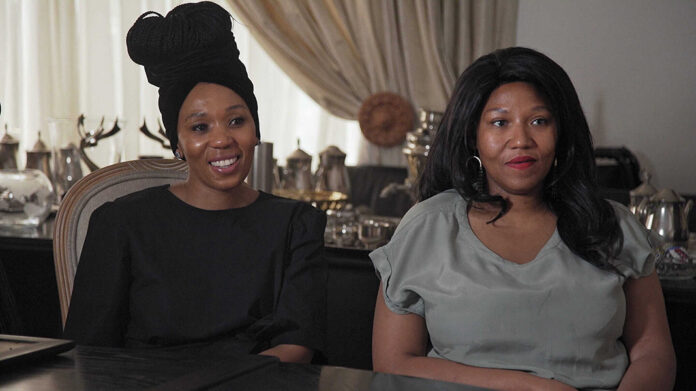
For Swati Mandela-Dlamini, watching the completed Netflix documentary series The Trials of Winnie Mandela for the first time was both healing and heartbreaking.
After years of working on the project, Mandela-Dlamini says finally seeing it on screen was particularly emotional because her beloved Big Mommy – the name Winnie Madikizela-Mandela was given by her loved ones – did not live long enough to witness the final production.
“I was desperate for my grandmother to see it while she was still alive, so it was bittersweet. But I was proud of what we produced and proud that we were finally able to tell her story in a way that hasn’t been done before,” Mandela-Dlamini told Sunday World.
The documentary revisits Madikizela-Mandela’s life through an intimate lens, where she tells her story and offers insights into her lived experiences during the liberation struggle years. This body of work stands out due to the intergenerational exchange of family history and legacy, and most importantly, the opportunity to hear Madikizela-Mandela speak for herself.
“I think our stories as a family have been told for us all our lives People have spoken about my grandmother and interpreted her story without necessarily hearing directly from her.”
Mandela-Dlamini, the daughter of Zenani Mandela-Dlamini, who is the eldest daughter from Winnie and Nelson Mandela’s matrimonial union, says audiences will discover a side to the revolutionary politician rarely seen in public: the doting grandmother they loved and lived with far from the glare of the world.
“This documentary shows a softer, more vulnerable side of her. You see her at home, laughing with her grandchildren and engaging with family in a very personal way.”
For Mandela-Dlamini, making the documentary forced the family to confront painful memories and conversations they had long avoided. Madikizela-Mandela’s different shades and layers that unfolded in the public sphere over the years have often polarised society. Her association with the reported brutalities of the Mandela Football Club, particularly the death of 14-year-old Stompie Seipei, and her endorsement of necklacing in the mid-1980s are notable examples.
“A lot of what people see on camera is the first time we as a family are speaking about certain things,” Mandela-Dlamini explained. “Revisiting those moments and the narratives that surrounded my grandmother was emotionally difficult.”
For Mandela-Dlamini, who is also the producer of the documentary series, there were moments during production when the emotional burden became overwhelming. “This is my grandmother, someone I deeply love and admire,” she says.
“Having to revisit painful moments in her life and hear some of the things people have said about her over the years was incredibly challenging.”
Mandela-Dlamini believes the documentary is necessary for preserving South Africa’s history and ensuring younger generations understand the sacrifices made during apartheid. She says the documentary does not attempt to portray Winnie Mandela as either a hero or a villain but rather presents the complexity of her life and legacy.
Mandela-Dlamini remembers Big Mommy as the matriarch who played a central role in raising her grandchildren. “She always used to say: ‘I may not have all the money in the world, but I’m rich in my family.’”
Mandela-Dlamini also reflected fondly on her grandmother’s unmistakable fashion sense, which became one of the documentary’s standout features through archival footage.
“Fashion was also part of her politics and activism. They could arrest her, ban her and silence her in many ways, but they could never take away how she expressed herself. She was absolutely stunning.”
- Swati Mandela-Dlamini found watching the Netflix documentary series *The Trials of Winnie Mandela* emotionally impactful.
- The experience was described as both healing and heartbreaking for her.
- The documentary explores the life and controversies surrounding Winnie Mandela.
- Swati Mandela-Dlamini is connected to the Mandela family, giving her a personal perspective.
- Further details are available in the full story on Sunday World's e-edition.


