


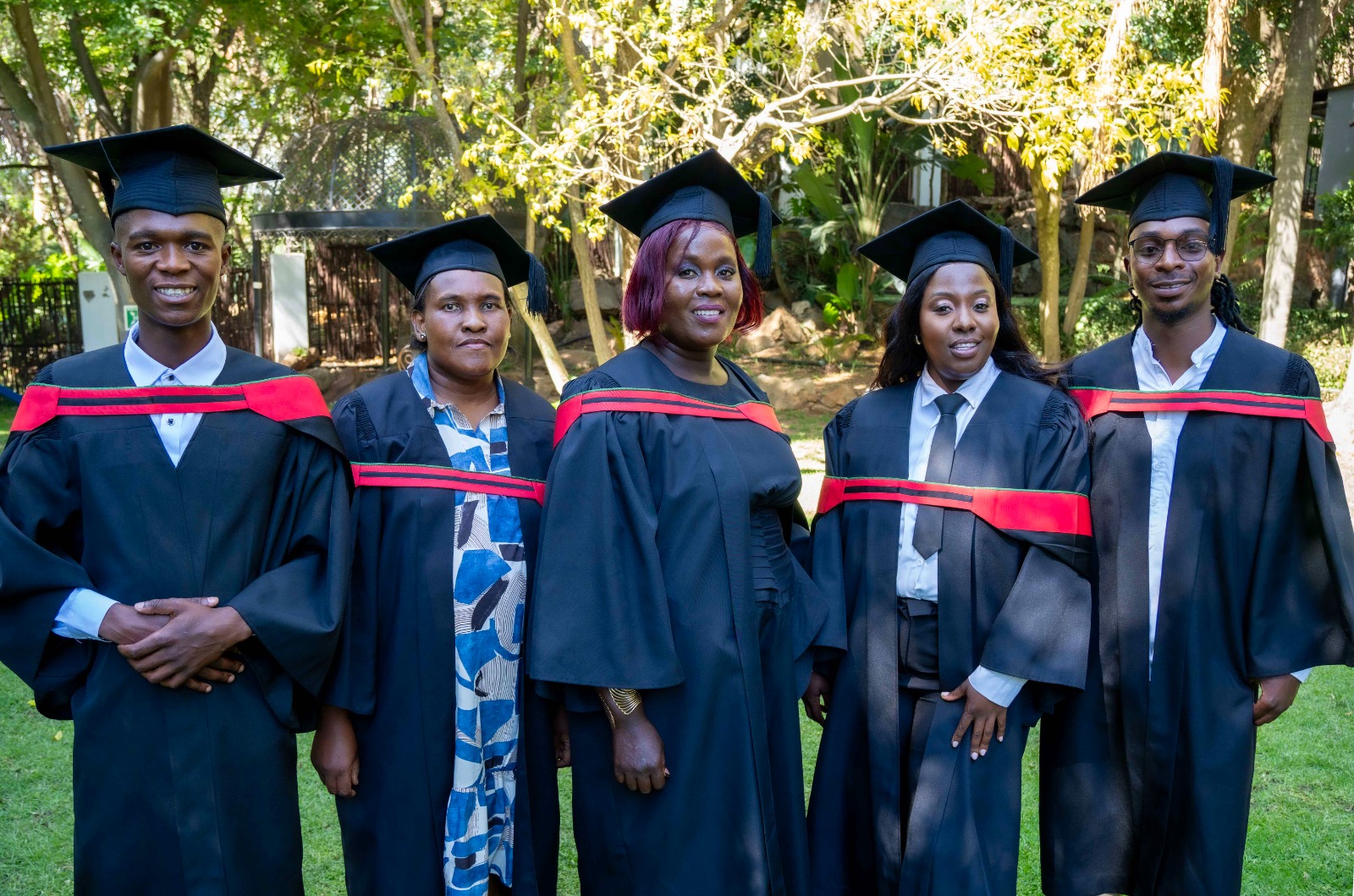
For years, Charmaine Maile has helped vulnerable children rebuild their lives, offering them the care, stability and reassurance they need after difficult beginnings. Now, the woman helping 12 boys at Jakaranda Children’s House in Tshwane find hope for their future has a reason to celebrate her own, a qualification that formally recognises the work she has dedicated herself to for years.
Maile is among 266 community caregivers who recently graduated with an NQF Level 4 qualification in Child and Youth Care Work through the Health and Welfare Sector Education and Training Authority’s (HWSETA) Recognition of Prior Learning programme, an achievement she hopes will open doors to further study and greater opportunities to make a difference.
Creating a safe and nurturing home for vulnerable children
As a house parent, Maile works alongside another house mother to care for boys, many of whom have experienced neglect, abandonment or abuse. Her role involves more than meeting their basic needs; it means creating a nurturing home where they receive emotional support, enjoy nutritious meals and can experience a happy childhood.
A milestone that recognises years of dedication
For Maile, receiving the qualification was a deeply personal milestone after years of practical experience without formal recognition.
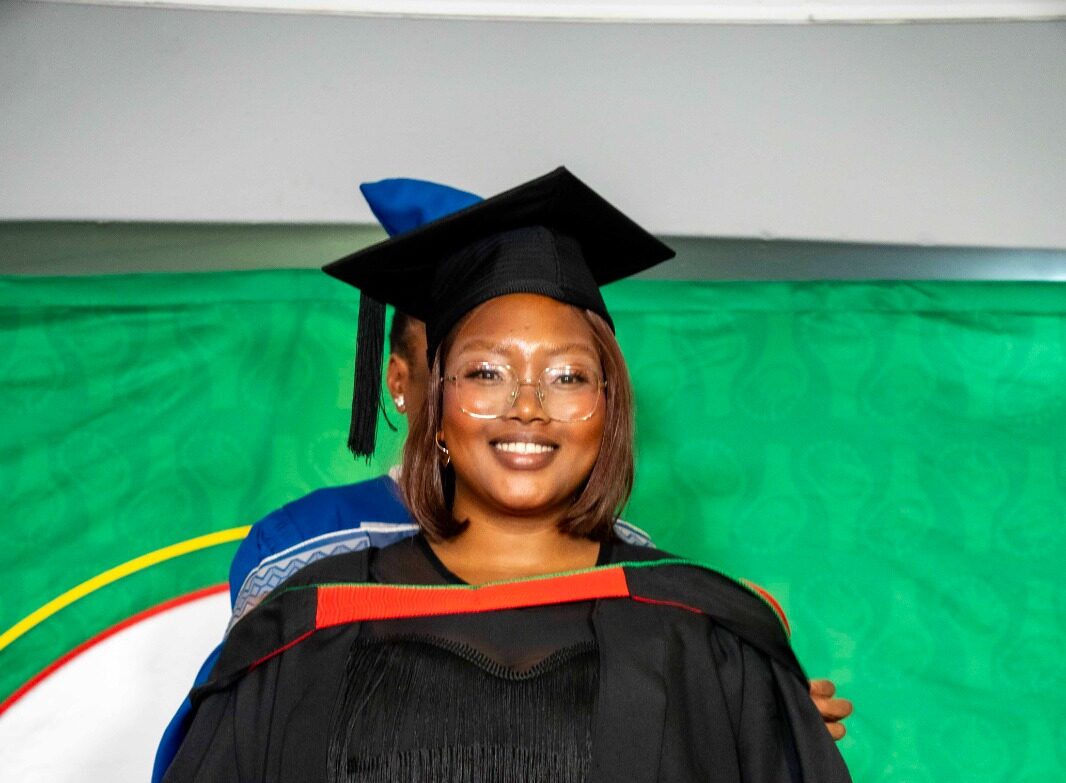
“Personally, it means that I’m being recognised and I’m finally being given the opportunity to graduate for the work I’ve been doing for the longest time, so it feels good that we are here today,” she said.
She believes the qualification will also strengthen her ability to support children and families, while inspiring the young people in her care to pursue their own ambitions.
“Our job is not only just to take care of the kids, but we also help them build a better future for themselves,” she said.
Helping people access support and rebuild their lives
One of the challenges she has encountered in her work is helping people who are reluctant to seek assistance, even when they desperately need it.
“It becomes a challenge to persuade that person that they can access help and that their life isn’t over just because they are in a bad place,” she said.
With her new qualification, Maile hopes people will be more receptive to the support she offers.
“Now it’ll be better because when I approach someone, I can tell them that I’m a qualified person and that I work under the Department of Social Development. I think this will impact how seriously they take me and make people more receptive to the help that I have to offer.”
Recognition of Prior Learning gives experience formal value
The RPL programme recognises skills and knowledge acquired through years of workplace experience, provided candidates can demonstrate that they meet the requirements of the qualification.
For Maile, the assessment involved compiling evidence of cases she had handled, documenting how she built relationships with children and families, the support she provided and the resources to which she referred them.
Although the process involved extensive paperwork, it helped her recognise her own strengths.
“I learnt that I’m very good at communicating and listening. I feel like people feel comfortable with me and talking to me,” she said.
She added that the experience had boosted her confidence and helped her better understand the resources available to her.
“Where to from here is more learning,” she said. “I do want to study further and use this qualification as a starting point to do that.”
963 Gauteng caregivers now formally qualified
The Tshwane graduates bring to 963 the number of community caregivers across Gauteng who have recently obtained formal qualifications through the initiative, implemented by HWSETA in partnership with the Department of Social Development. The programme aims to professionalise community-based social services by recognising the experience of caregivers working at non-profit organisations.
HWSETA highlights opportunities for career growth
HWSETA board chairperson Dr Nomfundo Nomsa Mnisi said the qualification could improve graduates’ employment prospects and create opportunities for further education.
“Now that they have qualifications, they are professionals, so any other organisation can hire them now because they have a certificate to show,” she said.
Mnisi explained that the programme has quality assurance measures, including training requirements and evidence-based assessments. Candidates must have at least three years of experience with an organisation recognised by the Department of Social Development.
HWSETA invests about R25-million annually in RPL nationally and plans to expand the programme to Mpumalanga, Limpopo and North West next year.
Calls for better remuneration and working conditions
However, Mnisi acknowledged that formal qualifications must be accompanied by progress on remuneration and working conditions to retain experienced caregivers in the sector.
“There are still discussions within the Department of Social Development around remuneration, so they can hold onto those jobs because we need them in the sector,” she said.
HWSETA also monitors graduates to assess the longer-term impact of its programmes, including their career progression and contribution to communities.
- Charmaine Maile is one of 266 community caregivers who graduated with an NQF Level 4 qualification in Child and Youth Care Work through HWSETA's Recognition of Prior Learning programme.
- Maile works as a house parent at Jakaranda Children’s House in Tshwane, caring for 12 boys who have experienced neglect, abandonment, or abuse.
- The RPL programme recognises skills and knowledge acquired through workplace experience, requiring candidates to demonstrate their ability through documented evidence.
- A total of 963 community caregivers across Gauteng have recently obtained formal qualifications through the initiative implemented by HWSETA in partnership with the Department of Social Development.
- HWSETA invests about R25-million annually in the RPL programme nationally and plans to expand it to Mpumalanga, Limpopo, and North West provinces next year.


