
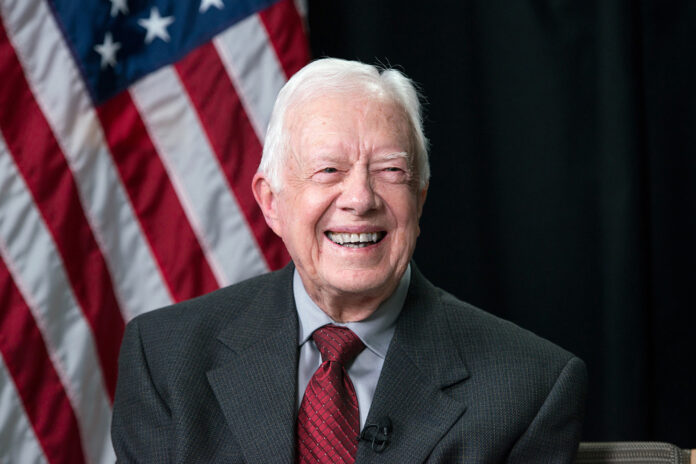
Jimmy Carter holds a unique place in modern American history. He is widely remembered as the last US president to complete a full term without authorising a bombing campaign against another country. His presidency emphasised negotiation, diplomacy, and conflict resolution, most famously demonstrated by the Camp David Accords, which helped bring peace between Egypt and Israel.
That record of restraint stands in sharp contrast to the atmosphere of today’s global politics. In recent years, military operations and rapid-response strategies have become a central tool of foreign policy for many nations. Statements from defence officials about confronting threats in volatile regions – particularly in the Middle East – reflect how quickly conflicts can escalate in the modern security environment.
The shift is happening at a time when the world is facing a series of overlapping crises. Disruptions to energy routes such as the Strait of Hormuz have shaken global markets, creating fears of an energy shock reminiscent of the oil crises of the 1970s the same decade when Carter first took office.
At the same time, tensions across the Middle East continue to draw in regional powers and global actors, making the situation far more complex than in earlier decades.
As global tensions rise and military capabilities expand, Carter’s record remains a historical benchmark for a style of leadership that prioritised dialogue over force – an approach that now seems increasingly rare in the modern era of high-tech warfare and strategic competition.
Wandile Mtana, Uitenhage
- Jimmy Carter holds a unique place in modern American history.
- He is widely remembered as the last US president to complete a full term without authorising a bombing campaign against another country.
- His presidency emphasised negotiation, diplomacy, and conflict resolution, most famously demonstrated by the Camp David Accords, which helped bring peace between Egypt and Israel.
- That record of restraint stands in sharp contrast to the atmosphere of today’s global politics.
- In recent years, military operations and rapid-response strategies have become a central tool of foreign policy for many nations.