


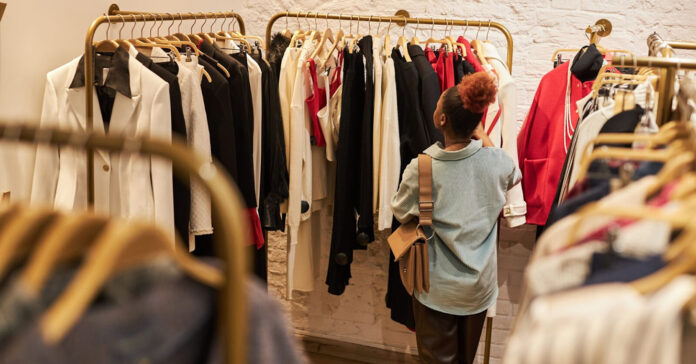
The discerning consumer is constantly looking for ways to get value for money. This includes thrifting, searching second-hand designer stores, shopping for discounts, and perusing factory shops.
All these options provide customers with the opportunity to buy the items they love at a price that suits their budget. One might argue that nothing beats the feeling of owning something new, but for many others, there is nothing greater than acquiring a sought-after piece of clothing, book or an antique.
So, where do people go for the right deals? If you insist on buying new things, factory shops can provide a plethora of choices as you buy directly from the manufacturer. However, there are some pockets of wisdom needed to navigate factory shop bargains.
Always inspect the products for defects, small tears, missing buttons, stains and other such flaws. But if you can overlook these issues and the chance that the item is out of season, you should be fine. It is also important to read and understand the terms and conditions, as factory shops generally have a “no return” policy – you can only exchange the goods.
Preloved goods are also appealing to buyers. The growing movement toward secondhand ownership includes cars, luxury goods, and vintage items that have gone out of production.
With social media marketplaces and the growth of influencers, secondhand shops are no longer dowdy, musty-smelling spaces that house spiderwebs and induce sneezing fits.
Shopping for second-hand items also requires some wisdom and has its own vocabulary. For instance, there is a difference between a thrift store and a vintage store.
The vintage store usually stocks items that are between 50 and 100 years old – think Parys in the Free State. These stores specialise in specific goods, many of which can be considered collector’s items.
Boutique secondhand stores, often found online, curate intimate spaces that specialise in a specific shopping experience, paying close attention to detail.
The 44 Stanley precinct in Milpark, Johannesburg, is a popular shopping hub. But there are many others across Johannesburg in Honeydew, Northcliff, Blairgowries, Norwood, North Riding and many other areas. Thrifters in Cape Town can scour District Six, Kommetjie, Observatory, Claremont, and Wynberg, among others, for good secondhand deals.
Thrifting offers a unique opportunity to discover unique treasures while shopping sustainably and affordably.
However, if it is luxury you seek, there are some speciality stores that cater to the secondhand market. In fact, demand in that sector is so great that a 2025 report by consulting firm Boston Consulting Group in collaboration with global online pre-owned luxury platform Vestiaire Collective found that globally, the secondhand fashion and luxury market is growing 10% a year – three times faster than the first-hand market.
The global resale market is projected to grow from $210-billion to $220-billion in 2025 to $360-billion by 2030, with affordability at the core of secondhand fashion and luxury.
In South Africa, platforms such as Luxity dominate that market. In this competitive market, the potential for return on investment is significantly higher. That is why the sellers have a stringent vetting process to ensure they are not selling dupes.
“Every item is scrutinised by our in-house, authentication experts before it is stocked. We back it with our lifetime authenticity guarantee: prove an item we sold is counterfeit, even years later, and you get a 100% refund,” Luxity told Sunday World.
Handbags, followed by watches and fine jewellery, account for the lion’s share of sales on Luxity, with “heritage houses” dominating demand, according to the group.
- The discerning consumer is constantly looking for ways to get value for money.
- This includes thrifting, searching second-hand designer stores, shopping for discounts, and perusing factory shops.
- All these options provide customers with the opportunity to buy the items they love at a price that suits their budget.
- One might argue that nothing beats the feeling of owning something new, but for many others, there is nothing greater than acquiring a sought-after piece of clothing, book or an antique.
- So, where do people go for the right deals?


