


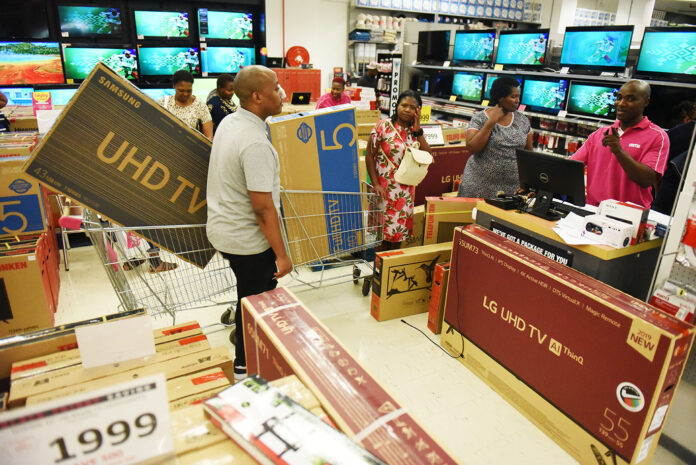
Black Friday is no longer the one-day shopping frenzy it was once known for, with South African consumers becoming more calculated about their spending amid rising living costs, financial pressure and growing scepticism about advertised discounts.
What was traditionally a 24-hour retail spectacle has evolved into an extended promotional season, with retailers rolling out deals weeks before the actual day in an attempt to attract shoppers and secure sales.
However, the longer promotional window may also be diluting the excitement and urgency that once made Black Friday one of the biggest events on the retail calendar.
Kagiso Tshepe, chief creative officer at Human Truth, says the Covid-19 pandemic accelerated the shift from physical shopping queues to online purchases, and from a single shopping day to an extended season of promotions.
“Black Friday has gone from a shopping event to a shopping season. Covid accelerated the shift from a single day to extended promotions, from queues to clicks, and, for many households, from indulgence towards necessity,” he says.
Tshepe believes the biggest change is not necessarily when consumers shop, but how they make purchasing decisions.
Shoppers are increasingly researching products, comparing prices and deciding what they are prepared to spend long before Black Friday arrives.
He says:
“Black Friday is not necessarily losing its relevance. It is losing its novelty.”
The shift comes as households contend with competing financial demands, including food, transport, electricity and debt repayments.
ALSO READ: Black Friday becomes December survival strategy for cash-strapped South Africans
He points to South African Reserve Bank figures showing household debt at 61.3% of disposable income in the second quarter of 2026, arguing that financial pressure remains an important part of understanding consumer behaviour.
“A saving on groceries or essentials you were going to buy anyway can give you room to do something else with your money,” he says.
Affordability vs credit access
“A purchase that creates unaffordable debt is not necessarily a saving.”
The changing consumer mindset is also reflected in how shoppers approach advertised discounts, with greater access to online price comparisons, product reviews and price histories making it easier to question whether promotions offer genuine value.
Tshepe refers to OneDayOnly’s 2026 survey of 2,410 online shoppers, which found that only 7% trusted every advertised Black Friday discount.
He believes retailers need to move beyond flashy promotional campaigns and demonstrate that their discounts are genuine.
“I think we are moving from advertised value to verified value. Shoppers can compare retailers, consult price histories and check reviews. They no longer have to take the advertiser’s word for it,” he says.
He adds that transparency is becoming increasingly important in maintaining consumer confidence.
“On a day when everyone is discounting their prices, the one thing a brand cannot afford to discount is its credibility.”
Delayed spending
The extension of Black Friday promotions has also created a challenge for retailers attempting to preserve the excitement traditionally associated with the event.
While longer campaigns give consumers more time to plan their purchases, Tshepe believes they can also encourage shoppers to delay spending in anticipation of better deals.
“When everything is urgent, nothing is urgent,” he says.
He warns that retailers risk conditioning consumers to expect discounts throughout the year, ultimately undermining the perceived value of their products.
“If I see the same product on special every few weeks, eventually I start to believe that the special price is what it is worth,” he says.
For brands, this creates the challenge of building customer loyalty beyond discounted prices. Tshepe argues that product quality, service, innovation and emotional connection should remain central to a retailer’s relationship with consumers.
ALSO READ: Black Friday boosts Clicks Group sales as competitors pile pressure with discounts
“A discount can buy a transaction, but it cannot guarantee loyalty.”
He also believes consumers are not necessarily tired of saving money, but rather of the aggressive marketing tactics that have become synonymous with major retail promotions.
“Consumers are not fatigued by value. They are fatigued by the noise surrounding it,” he says.
Research cited by Tshepe from Trade Intelligence and Chirp’s 2025 post-event study found that 54% of respondents made planned purchases during Black Friday, while only 8% bought purely on impulse.
Tshepe says this means retailers need to understand what consumers already want before launching their promotional campaigns.
“Black Friday does not always create desire. Sometimes it simply makes existing desire more accessible,” he says.
Black Friday remains commercially significant
Statistics South Africa recorded 3.6% year-on-year growth in inflation-adjusted retail sales in November 2025.
However, Tshepe cautions against attributing the growth entirely to Black Friday, as some purchases may simply have been brought forward from December.
He says retailers should assess the impact of their campaigns by looking beyond sales volumes and considering profit margins, fulfilment costs and whether promotions attract repeat customers.
“A record Friday can be a very expensive way to have a quiet December,” he says.
Looking ahead, Tshepe believes Black Friday needs to rediscover its purpose if it is to retain its relevance among South African consumers.
He argues that retailers should create promotions that reflect local spending realities, restore anticipation around the event and offer genuine savings on products people actually want and need.
He also believes the occasion presents an opportunity to develop a more distinctly South African identity, particularly as consumers prepare for December travel, family gatherings and festive-season spending.
“The future of Black Friday is less about what brands want to sell and more about what people want to make possible,” he says.
Subscribe To Our Newsletter or get the news delivered to your phone via our WhatsApp Channel.
- Black Friday in South Africa has evolved from a one-day event to an extended promotional season with deals starting weeks in advance.
- South African consumers are becoming more cautious and research-oriented due to financial pressures and scepticism about advertised discounts.
- Only 7% of online shoppers surveyed in 2026 trusted every advertised Black Friday discount, leading to a demand for verified and transparent promotions.
- Research shows 54% of Black Friday purchases are planned, with only 8% being impulse buys, highlighting the importance of understanding consumer intent.
- Statistics South Africa reported 3.6% growth in inflation-adjusted retail sales in November 2025, though some sales may have been shifted from December.


