


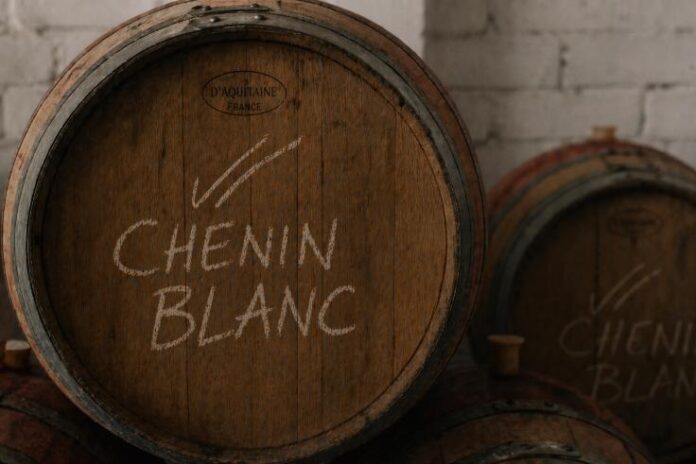
For years, Chenin Blanc was the grape that nobody bragged about. It filled tanks, supplied co-operatives and often ended up being distilled rather than celebrated. While wine lovers chased after Chardonnay and Sauvignon Blanc, Chenin quietly did the heavy lifting in South Africa’s vineyards.
Today, that same grape has become one of the country’s greatest wine success stories. Once dismissed as a high-yield workhorse, Chenin Blanc has emerged as South Africa’s signature varietal, earning international acclaim and proving that sometimes the most remarkable transformations happen in plain sight.
South Africa’s relationship with Chenin Blanc stretches back centuries, making it one of the country’s most widely planted grape varieties. For much of that history, however, quantity mattered more than quality. Many vineyards were farmed for maximum production, with little thought given to crafting premium wines.
Workhorse of the South African wine industry
According to DeMorgenzon winemaker Anthony Sanvido, Chenin Blanc was long regarded as the workhorse of the South African wine industry.
“It was often cropped for volume and diverted to distillation,” said Sanvido. Ironically, that approach may have helped secure Chenin Blanc’s future.
Because many growers could not afford to replace older vineyards, thousands of mature vines remained in the ground. Today, those same vineyards form part of South Africa’s celebrated old-vine heritage, producing grapes that are now highly sought after by winemakers.
The turning point came during the 1990s when producers such as Ken Forrester and others began treating Chenin Blanc with the same respect afforded to the world’s most prestigious wine varieties.
Their willingness to collaborate, share knowledge and focus on quality helped transform perceptions of the grape and laid the foundation for the growth of the Chenin Blanc Association South Africa.
Responsiveness to different sites
Part of Chenin Blanc’s appeal lies in its extraordinary ability to showcase where it is grown. Spier winemaker Johan Jordaan, who was named Chenin Blanc Master Winemaker at the Master Winemaker 100 Awards in both 2025 and 2026, believes the variety’s strength lies in its responsiveness to different sites.
“The beauty of Chenin Blanc is that it expresses where it is grown. Every vineyard tells a different story,” said Jordaan.
At DeMorgenzon, variations in elevation and slope create dramatically different expressions of the same grape. Lower vineyards often produce softer, riper flavours, while cooler, higher sites deliver freshness, acidity and structure.
Sanvido said south-facing slopes are becoming increasingly important as producers adapt to rising temperatures.
“The cooler sites help us preserve freshness and natural acidity, which are essential to balanced wines,” he explained.
Intervention and restraint
Despite its reputation for resilience in the vineyard, Chenin Blanc demands careful handling in the cellar. Winemakers often describe it as a balancing act between intervention and restraint.
“Too much influence can mask the character of the wine, while too little can leave it lacking structure,” said Sanvido.
Few grape varieties can match Chenin Blanc’s range. It can produce crisp, refreshing wines perfect for summer afternoons, rich barrel-aged styles with impressive ageing potential, and everything in between. Whether fermented in stainless steel, matured in oak barrels or crafted using concrete tanks and amphorae, Chenin Blanc continues to reveal new dimensions of flavour and texture.
The transformation of Chenin Blanc has also changed perceptions both at home and abroad. Jordaan describes its rise as a Cinderella story.
“Chenin Blanc is no longer viewed as a lower-priced option. It has earned its place among the finest wines in the world,” he said.
That shift has been driven not only by winemakers but also by growing consumer appreciation for quality and authenticity.
Abi Mitton, Wine Marketing and Brand Manager of the Chenin Blanc Association South Africa, believes the country’s diversity is one of its greatest advantages.
“South Africa is uniquely positioned to produce Chenin Blanc across an incredibly broad stylistic spectrum, from crisp and mineral-driven wines to rich, textured expressions,” said Mitton.
International recognition
International recognition has followed, with South African Chenin Blanc regularly earning top honours and attracting attention from wine critics around the globe. Yet industry leaders believe there is still room for growth.
Sanvido said Chenin Blanc has become a flag-bearer for South African wine internationally, but added that the industry must continue building its reputation through premium bottled wines rather than bulk exports.
As climate change reshapes wine-growing regions worldwide, producers are paying closer attention to cooler sites, higher altitudes and sustainable farming practices. At the same time, ageing vineyards continue to offer valuable insights into how Chenin Blanc evolves over time.
For Darling Cellars winemaker André Scriven, the future remains bright.
“Our dryland bush vines produce wines with beautiful fruit concentration and complexity, but they also continue to develop character as they age,” he said.
The growing demand for wines that offer authenticity and a strong sense of place presents a significant opportunity for South African producers. For Jordaan, the challenge now is maintaining consistency while continuing to push boundaries.
“The potential is there. The future will depend on our ability to consistently deliver quality and clearly position South African Chenin Blanc on the world stage,” he said.
- For years, Chenin Blanc was the grape that nobody bragged about.
- It filled tanks, supplied co-operatives and often ended up being distilled rather than celebrated.
- While wine lovers chased after Chardonnay and Sauvignon Blanc, Chenin quietly did the heavy lifting in South Africa’s vineyards.
- Today, that same grape has become one of the country’s greatest wine success stories.
- Once dismissed as a high-yield workhorse, Chenin Blanc has emerged as South Africa’s signature varietal, earning international acclaim and proving that sometimes the most remarkable transformations happen in plain sight.


