


The Gauteng health department has raised concern about the growing number of adults under the age of 45 who are being diagnosed with hypertension across the province.
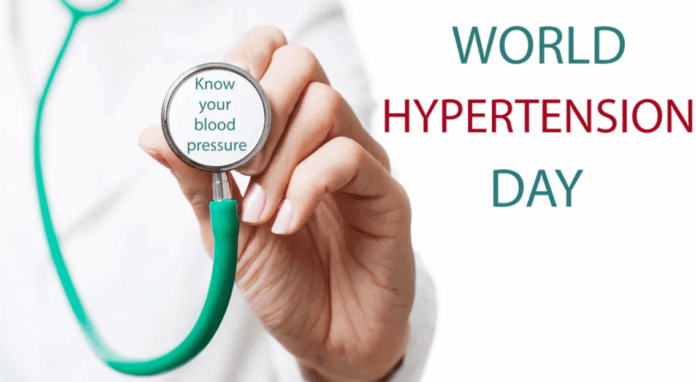
In a statement issued on Sunday to mark World Hypertension Day, the department described hypertension, commonly known as the “silent killer”, as a major contributor to strokes, heart disease, kidney failure, and premature death, often developing without noticeable symptoms.
According to the department, Gauteng recorded 69 125 new hypertension cases during the 2025/2026 financial year. Of these, 26 088 cases involved adults aged between 18 and 44.
Health authorities attributed the increase to unhealthy eating habits, obesity, lack of physical activity, smoking, and excessive alcohol consumption.
The department said this year’s World Hypertension Day theme, “Controlling Hypertension Together”, highlights the importance of collective action in improving awareness, prevention, early detection, and effective management of the condition.
As part of efforts to strengthen early detection, the department screened approximately 8.7-million adults for hypertension across Gauteng during the 2025/2026 financial year.
Screening services available across Gauteng
Public healthcare facilities continue to offer free blood pressure screening and integrated chronic disease management services for patients diagnosed with hypertension, diabetes, and related conditions.
It also warned that many residents remain unaware of their blood pressure status, resulting in delayed diagnoses and severe complications such as strokes and heart attacks.
Ward-based outreach teams and community health workers have been deployed across communities to promote healthy lifestyles and encourage residents to undergo regular blood pressure screening.
Residents have been urged to exercise regularly, reduce salt intake, stop smoking, and limit alcohol consumption to lower the risk of hypertension.
Individuals already diagnosed with the condition were advised to take medication as prescribed and adhere to treatment plans.
The department further encouraged residents to make use of the central chronic medicine dispensing and distribution programme, which allows patients to collect chronic medication closer to their homes and reduce waiting times at healthcare facilities.
Steve Mabona, spokesperson for the department, said residents should take advantage of free screening services available at public healthcare facilities.
- Gauteng health department highlights rising hypertension cases among adults under 45, with 26,088 new cases out of 69,125 total in 2025/2026.
- Hypertension, known as the “silent killer,” contributes to strokes, heart disease, kidney failure, and premature death, often without symptoms.
- The increase is linked to unhealthy lifestyles including poor diet, obesity, inactivity, smoking, and excessive alcohol use.
- The department promoted the theme "Controlling Hypertension Together," emphasizing awareness, early detection, and collective prevention efforts, including screening 8.7 million adults.
- Free blood pressure screening, chronic disease management, and community outreach encourage healthier habits, medication adherence, and use of local medication distribution programs.


