


South Africa is preparing to phase out semi-knock-down (SKD) vehicle assembly operations as government moves to encourage greater local manufacturing, protect jobs and strengthen the competitiveness of the country’s automotive industry.
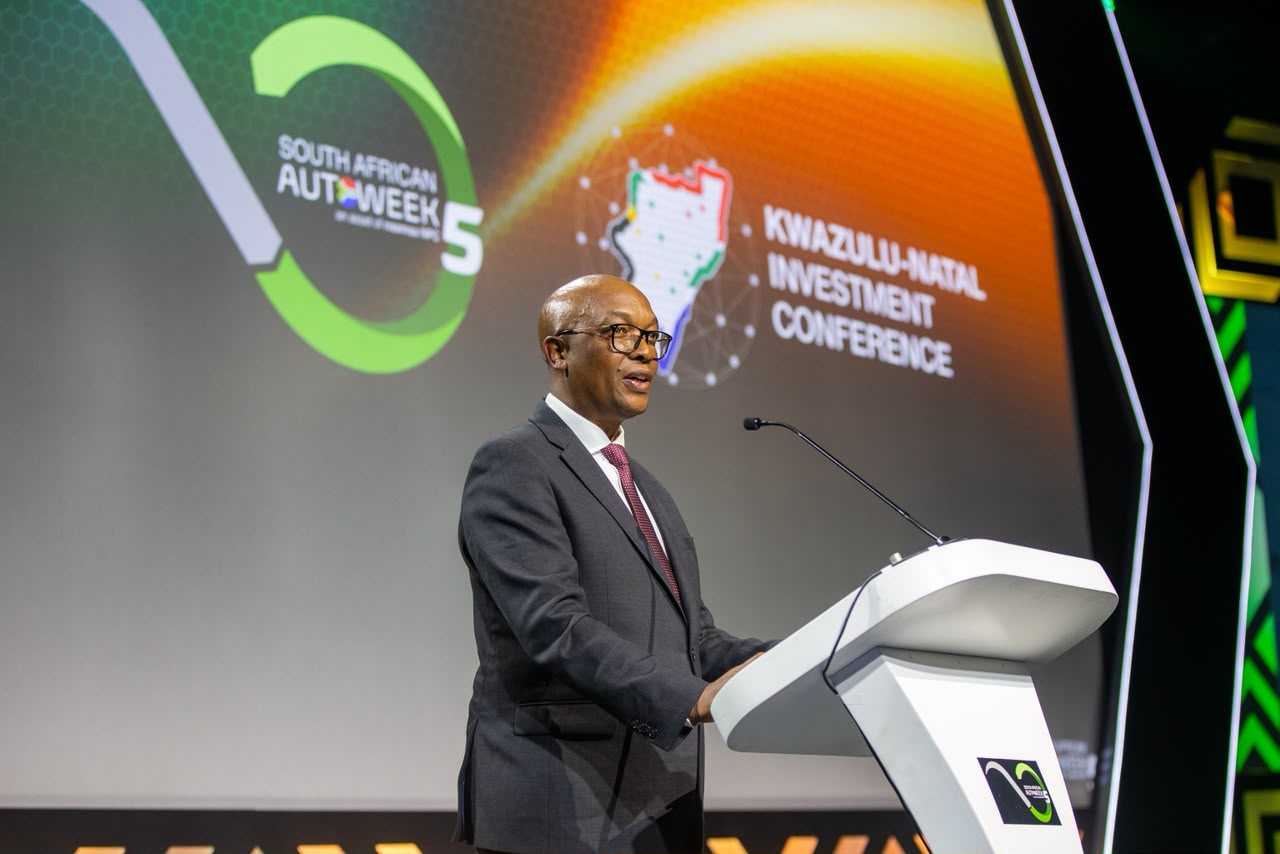
Trade, Industry and Competition Minister Parks Tau announced the policy shift during SA Auto Week 2026 in Durban, where he delivered an address on behalf of President Cyril Ramaphosa. Under the proposed changes, government will withdraw policy support for existing SKD operations as they are phased out, while new SKD facilities will no longer qualify for such support.
SKD assembly typically involves importing partially assembled vehicles and completing limited assembly work locally. In contrast, complete-knock-down (CKD) manufacturing involves more extensive assembly processes, potentially creating greater opportunities for local component suppliers and employment.
READ: Country’s motor industry finds itself at a crossroads
The move signals government’s intention to encourage vehicle manufacturers to undertake more substantial production activities in South Africa rather than relying on imported vehicle kits. Tau said the decision forms part of an ongoing review of the Automotive Production and Development Programme (APDP2), undertaken in consultation with automotive industry body naamsa, the National Association of Automotive Component and Allied Manufacturers (Naacam) and organised labour.
However, medium and heavy commercial vehicles will be excluded from the proposed SKD policy changes.
Government also intends to tighten the legal definitions governing CKD manufacturing to ensure that qualifying operations meet the country’s industrial development objectives.
Tau said the competitiveness of South Africa’s ladder-frame light commercial vehicle (LCV) segment, which includes popular locally manufactured bakkies, would also be investigated.
“We have agreed that the strategic competitiveness of South Africa’s ladder frame LCV segment warrants formal investigation,” Tau said.
He added that any additional protection for the segment would need to be accompanied by commitments from manufacturers relating to production, localisation, employment, transformation, exports and investment. The minister said he would instruct the International Trade Administration Commission (ITAC) to investigate the matter before a final determination is made.
Automotive manufacturing industry under significant pressure
The announcement comes as South Africa’s automotive manufacturing industry faces mounting pressure from international competition, changing vehicle technologies and the global transition towards cleaner mobility.
Tau described the current period as one of the most significant turning points in the automotive industry’s history, with fundamental changes taking place in how vehicles are manufactured, powered, owned and used.
READ: Isuzu pumps R30m into Gqeberha truck plant
He warned that South Africa risked losing important export markets, particularly Europe and the United Kingdom, unless its manufacturing industry adapted to growing demand for new-energy vehicles (NEVs).
“If we do not build the vehicles that markets such as Europe and the United Kingdom will buy, we will lose those markets, and with them our plants and our jobs,” he said.
Growing demand for EVs
The minister also highlighted growing domestic demand for electrified vehicles, saying South Africans had purchased almost as many NEVs during the first seven months of 2026 as they did throughout 2025.
Government sees the transition to electric and hybrid vehicles as an opportunity to develop new industries, particularly through its Critical Minerals Beneficiation Strategy.
Tau said South Africa’s mineral resources could support the development of a broader electric vehicle value chain, including battery production, recycling and related manufacturing activities.
Government has also begun developing an End-of-Life Vehicle policy aimed at addressing the recycling and reuse of vehicles and batteries as part of its industrial decarbonisation strategy.
“Recycling batteries and giving them a second life is a new industry in its own right. South Africa intends to build it from the start,” Tau said.
While the proposed policy changes could encourage deeper localisation and additional investment, their effectiveness will depend on how they are implemented and whether manufacturers respond by expanding their South African production operations.
The government has not yet announced a timetable for phasing out existing SKD facilities.
- South Africa plans to phase out semi-knock-down (SKD) vehicle assembly operations to promote greater local manufacturing and protect jobs.
- New SKD facilities will no longer qualify for government support, while support for existing SKD operations will be withdrawn gradually.
- Medium and heavy commercial vehicles are excluded from the proposed SKD policy changes.
- The government will tighten legal definitions for complete-knock-down (CKD) manufacturing and investigate the competitiveness of the ladder-frame light commercial vehicle segment.
- South Africa aims to develop the electric vehicle value chain leveraging its mineral resources and is working on an End-of-Life Vehicle policy for recycling vehicles and batteries.


