


Chinese automotive brands continue to tighten their grip on South Africa’s highly competitive SUV market, and the latest contender aiming to shake things up is the BAIC B30 Premium Adventure.
After living with it for a week, it became clear that the newcomer enters the segment with bold ambitions, eye-catching design and family-focused practicality.
Design-wise, the BAIC B30 feels like it is targeting adventurous lifestyle buyers who may also be considering vehicles such as the Chery Tiggo 9, Hyundai Santa Fe, Volkswagen Tayron, MINI Countryman, the rugged GWM Tank 300, and the Chery Tiggo V Concept unveiled at Auto China 2026.
In terms of pricing, however, it goes directly into battle with the Jetour T1, Jetour T2, Haval H6, Toyota RAV4 and Kia Sportage, among others.
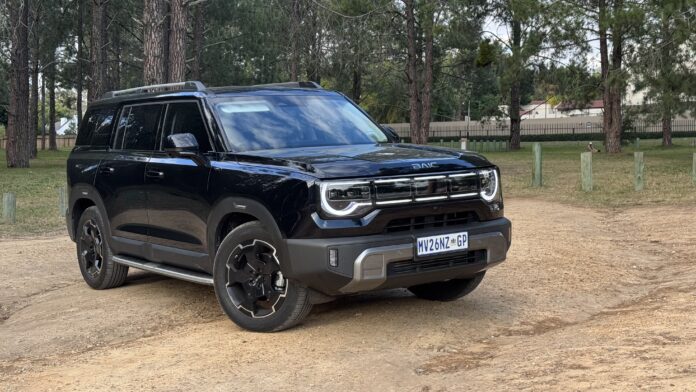
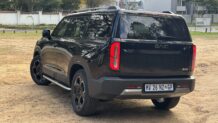
The test vehicle arrived adorned in black metallic paint and wearing stylish 19-inch bi-colour alloy wheels, giving it a commanding road presence.
Spacious cabin and practical layout
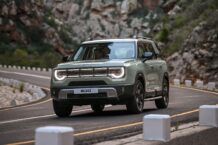
While the black finish looked premium and sophisticated, I would personally recommend the mint green colour option for buyers wanting something more distinctive and adventurous.
The B30’s design is arguably one of its strongest selling points. It features a bold and modern exterior with BAIC’s distinctive five-hole family grille integrated with LED light strips, muscular proportions and an off-road-inspired front bumper.
The styling gives it enough visual drama to stand out everywhere and at campsite gatherings alike.
Inside, the B30 impressed with its spacious cabin and practical layout. Families who enjoy road trips, camping and outdoor adventures will appreciate the generous packaging.
One of my favourite features was the integrated picnic table at the rear—a thoughtful touch for camping enthusiasts, fishing trips or roadside lunch stops during long-distance travel.
The boot space is equally impressive. With up to 1 496 litres available, there is more than enough room for the entire family’s luggage, camping gear, cooler boxes and outdoor equipment.
Under the bonnet sits a 1.5-litre turbocharged petrol engine producing 138kW and 305Nm, paired with a seven-speed dual-clutch transmission.
Decent performance for commuting
On paper, the figures are competitive for the segment, and on the road, the B30 delivers decent performance for daily commuting and long-distance cruising.
BAIC claims a fuel consumption of 6.45 litres per 100km, although during my test I averaged closer to 7.8 litres per 100km—still respectable considering the vehicle’s size and driving conditions.
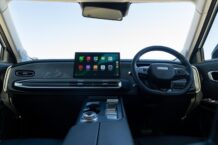
The SUV also comes packed with modern features, including a panoramic glass roof, advanced driver assistance systems, 215mm of ground clearance, and a large 14.6-inch infotainment display that dominates the dashboard like most Chinese cars.
That said, the vehicle is not without a few areas needing refinement. The gear ratios occasionally felt slightly inconsistent, particularly during high revs and uphill driving.
The relatively loud hooter sound when locking the car can also become irritating to neighbours when arriving home late at night.
Additionally, some of the alert and notification sounds inside the cabin feel outdated, almost resembling effects from old video games.
Compelling newcomer in the segment
Still, the BAIC B30 Premium Adventure shows strong promise. Its combination of attractive design, practicality, generous space and adventure-focused character makes it a compelling newcomer in the growing family SUV segment.
BAIC South Africa, a subsidiary of BAIC Group, continues to strengthen its local footprint through its assembly facility in the Coega Industrial Development Zone near Gqeberha, where the B30 is assembled.
Pricing starts at R519,000 for the B30 Elite Adventure and R549 900 for the B30 Premium Adventure, including a seven-year/200 000km warranty.
With further refinement, the B30 could become an even stronger challenger in the SUV segment. I now look forward to experiencing the hybrid B30e.
- BAIC's new B30 Premium Adventure SUV targets South Africa's competitive family SUV market with bold, adventure-focused design and practical features like a spacious cabin and integrated picnic table.
- The B30 competes on price with models like the Jetour T1/T2, Haval H6, Toyota RAV4, and Kia Sportage, offering a stylish look with features such as a panoramic roof, advanced driver systems, and a 14.6-inch infotainment screen.
- Powered by a 1.5L turbo petrol engine (138kW/305Nm) paired with a seven-speed dual-clutch transmission, it delivers decent daily and long-distance performance, with real-world fuel consumption around 7.8 L/100km.
- Some minor issues include inconsistent gear ratios under strain, a loud car-lock horn, and outdated in-cabin alert sounds.
- Assembled locally in Gqeberha, the B30 starts at R519,000, backed by a seven-year/200,000 km warranty, and with promised improvements and a hybrid version (B30e) forthcoming.


