


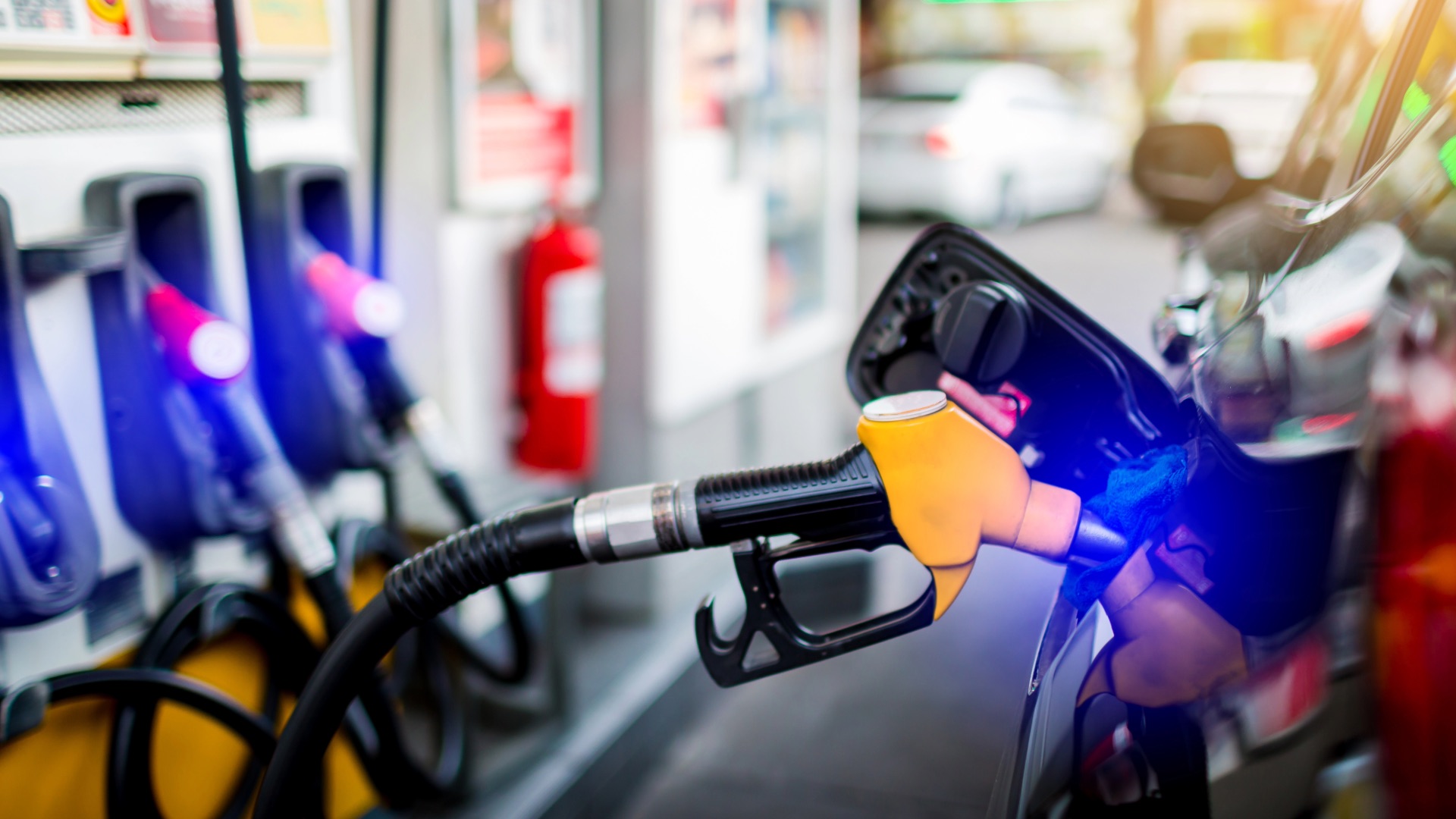
South African motorists are increasingly buying smaller quantities of fuel more frequently as rising petrol and diesel prices put pressure on household budgets, but many are finding it difficult to reduce their daily driving.
This is according to new research by Discovery Insure, which analysed fuel purchasing and driving behaviour among more than 200,000 insured motorists. The findings reveal that fuel purchase volumes declined by 33% following October’s price increase, while the number of trips motorists undertook fell by just 6% and distances travelled decreased by 7%.
READ: ‘Nothing left to cut’ | Fuel price hikes force South Africans to make hard choices
However, Discovery clarified that the 33% decline reflects fuel purchased during the measurement period, rather than an equivalent reduction in actual fuel consumption. The data suggests motorists are changing their spending habits rather than significantly reducing their reliance on private vehicles.
Average fuel purchases declined from approximately 36 litres to 31 litres during periods of significant price increases. More notably, purchases of less than 20 litres increased from 25% of transactions in 2025 to 36% in 2026.
Motorists are also visiting filling stations more frequently, with average monthly visits increasing from 2.4 to just over three.
These changes come as average monthly fuel expenditure among Discovery’s clients increased from approximately R1 750 at the beginning of 2025 to as much as R2 700 by mid-2026.
Discovery said motorists began reducing their driving as early as April following a significant fuel price increase. Long-distance trips have declined by approximately 30% since June, suggesting discretionary travel is particularly vulnerable to rising costs.
READ: MTBPS | Treasury sets aside R10bn to ease fuel price pain
However, everyday journeys, including commuting to work and transporting children to school, remain difficult to avoid.
The insurer acknowledged that its findings cannot be generalised to all South African motorists. Its anonymised sample comprises insured clients with an average age of 47. Gauteng accounts for 45% of participants, followed by the Western Cape at 32% and KwaZulu-Natal at 10%.
Discovery also does not collect household income information, making it impossible to establish from this research whether lower-income motorists are experiencing greater changes in purchasing behaviour. Nevertheless, the insurer believes the findings indicate growing financial pressure even among motorists who can afford vehicle insurance.
Although smaller fuel purchases have become more common during both price increases and decreases, Discovery cautioned that it remains too early to determine whether the behaviour represents a permanent shift or not.
For now, the findings highlight a growing consumer dilemma: motorists may be able to change how they pay for fuel, but not necessarily how much they need to drive.
- South African motorists are increasingly buying smaller quantities of fuel more frequently as rising petrol and diesel prices put pressure on household budgets, but many are finding it difficult to reduce their daily driving.
- This is according to new research by Discovery Insure, which analysed fuel purchasing and driving behaviour among more than 200,000 insured motorists.
- The findings reveal that fuel purchase volumes declined by 33% following October’s price increase, while the number of trips motorists undertook fell by just 6% and distances travelled decreased by 7%.
- READ: ‘Nothing left to cut’ | Fuel price hikes force South Africans to make hard choices However, Discovery clarified that the 33% decline reflects fuel purchased during the measurement period, rather than an equivalent reduction in actual fuel consumption.
- The data suggests motorists are changing their spending habits rather than significantly reducing their reliance on private vehicles.
South African motorists are increasingly buying smaller quantities of fuel more frequently as rising petrol and diesel prices put pressure on household budgets, but many are finding it difficult to reduce their daily driving.
This is according to new research by Discovery Insure, which analysed fuel purchasing and driving behaviour among more than 200,000 insured motorists. The findings reveal that fuel purchase volumes declined by 33% following October’s price increase, while the number of trips motorists undertook fell by just 6% and distances travelled decreased by 7%.
READ: 'Nothing left to cut' | Fuel price hikes force South Africans to make hard choices
However, Discovery clarified that the 33% decline reflects fuel purchased during the measurement period, rather than an equivalent reduction in actual fuel consumption. The data suggests motorists are changing their spending habits rather than significantly reducing their reliance on private vehicles.
Average fuel purchases declined from approximately 36 litres to 31 litres during periods of significant price increases. More notably, purchases of less than 20 litres increased from 25% of transactions in 2025 to 36% in 2026.
Motorists are also visiting filling stations more frequently, with average monthly visits increasing from 2.4 to just over three.
These changes come as average monthly fuel expenditure among Discovery’s clients increased from approximately R1 750 at the beginning of 2025 to as much as R2 700 by mid-2026.
Discovery said motorists began reducing their driving as early as April following a significant fuel price increase. Long-distance trips have declined by approximately 30% since June, suggesting discretionary travel is particularly vulnerable to rising costs.
READ: MTBPS | Treasury sets aside R10bn to ease fuel price pain
However, everyday journeys, including commuting to work and transporting children to school, remain difficult to avoid.
The insurer acknowledged that its findings cannot be generalised to all South African motorists. Its anonymised sample comprises insured clients with an average age of 47. Gauteng accounts for 45% of participants, followed by the Western Cape at 32% and KwaZulu-Natal at 10%.
Discovery also does not collect household income information, making it impossible to establish from this research whether lower-income motorists are experiencing greater changes in purchasing behaviour. Nevertheless, the insurer believes the findings indicate growing financial pressure even among motorists who can afford vehicle insurance.
Although smaller fuel purchases have become more common during both price increases and decreases, Discovery cautioned that it remains too early to determine whether the behaviour represents a permanent shift or not.
For now, the findings highlight a growing consumer dilemma: motorists may be able to change how they pay for fuel, but not necessarily how much they need to drive.


