


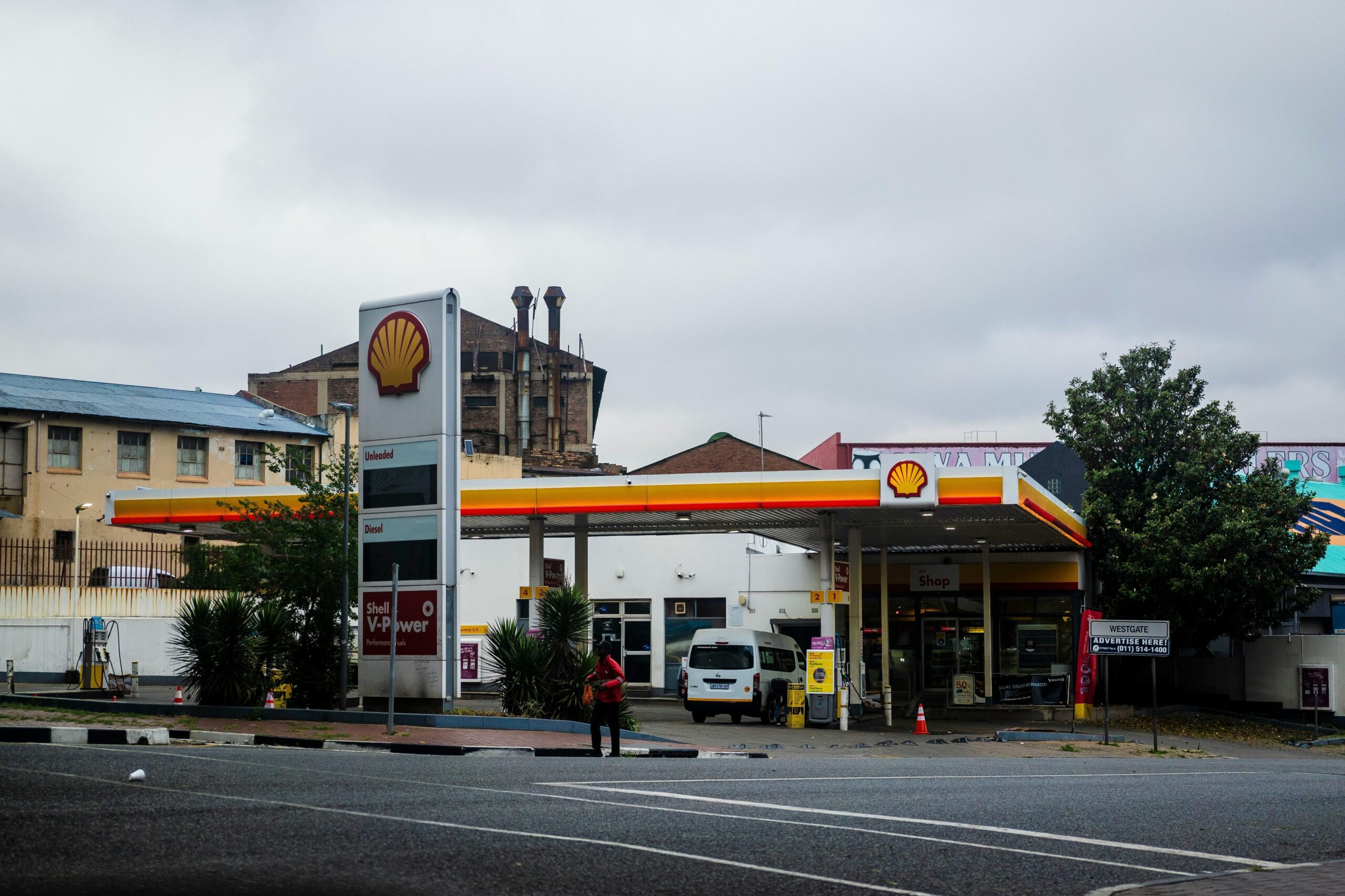
The latest fuel price increase is doing more than making trips to the petrol station more expensive. For some South Africans, it is forcing difficult choices about eating out, shopping, entertainment, and even the small conveniences that make busy lives easier.
The latest increase comes as households are already struggling to stretch their incomes across transport, electricity and food. The Pietermaritzburg Economic Justice and Dignity Group (PMBEJD) says the pressure will be felt differently across income groups.
“Middle income households may have to cut down on the ‘like to have’ items and stick to ‘need to have’,” said the group’s advocacy coordinator, Sibusiso Mboto.
For low-income households, however, it says this is not necessarily a new reality.
“They have not enjoyed this luxury for many years now because their incomes are low,” said Mboto.
When petrol costs force lifestyle changes
One Sunday World reader described a less obvious consequence of rising fuel costs: the loss of convenience. For busy people, buying a takeaway is not always simply about wanting restaurant food. It can be a way of buying back time after a long working day.
As one reader put it, the fight to save time in the day in order to make more money can involve spending money on takeaways for convenience. That creates a difficult equation when fuel costs rise: the same household may now have less money for both movement and the conveniences that make a busy lifestyle manageable.
Another reader is already making significant changes. She previously ate out four to five times a month but says that has now been reduced to about once a month. Her shopping budget of around R1,000 has been cut to zero, while entertainment has moved from going to the cinema to watching movies at home.
She also says she uses about two tanks of fuel a month, costing roughly R1,600 each, but is now restricting driving to essential trips such as getting to work. The biggest change, she says, is not simply financial. The fuel pressure has changed how she socialises and spends her free time.
“It has taken away my freedom to make myself happy,” she said.
Some households have nothing left to cut
For lower-income households, the conversation looks very different.
One reader’s response to what they would cut because of higher fuel costs was blunt: “Nothing!!! There’s nothing to cut back on; that’s the problem.”
That sentiment mirrors PMBEJD’s warning that low-income households have already been forced to prioritise necessities over discretionary spending. The group’s September Household Affordability Index shows just how little room some households have.
The average household food basket cost R5,488.06 in September, while the basic nutritious food basket for a family of seven cost R6,655.29.
According to the affordability index, transport, water and electricity are treated as non-negotiable expenses. When those costs rise, food becomes one of the areas left vulnerable, often forcing families to resort to less nutritious substitutes.
The organisation says families can be forced towards starch-based foods because these tend to last longer. Its minimum-wage scenario illustrates the pressure: transport to work and electricity together account for 64.6% of monthly minimum-wage income, leaving R1,799.19 before food is bought.
That means the question is not always whether a family will cancel a restaurant meal or weekend getaway. For some households, there may already be no restaurant meal or getaway to cancel.
Even staying home doesn’t remove the pressure
Another reader says working from home has helped reduce the amount of driving required. School and church are also close by, meaning long-distance travel is limited. But she says she is still feeling the financial pressure and has considered cutting household expenses such as DStv.
The problem is that even that decision comes with a trade-off. As someone working in the media space, she relies on access to news and information and therefore questions what she would replace it with. It illustrates how households are increasingly forced to examine expenses that previously felt relatively fixed or routine.
ALSO READ: R30 petrol: The shock our country cannot afford
The early response from Sunday World’s social media audiences suggests there is no single answer. In an X poll with 102 votes, 49% of respondents said takeaways and restaurants would be the first lifestyle expense they cut. Weekend getaways accounted for 20%, while 10% chose shopping, and 21% said they would make no changes.
Petrol is now costing more. What’s getting cut from your lifestyle first?
— Sunday World News (@SundayWorldZA) October 6, 2026
An Instagram poll produced a different picture: 50% said they would make no changes, while takeaways/restaurants and shopping each accounted for 25%. No respondents selected weekend getaways.
The polls are not nationally representative, but they offer a snapshot of the different ways consumers say they may respond to higher fuel costs.
PMBEJD said the latest fuel increase is another layer of pressure on households whose incomes have not kept pace with the cost of living. The organisation says higher transport costs will affect what families have available for food and other essentials.
It also warns that the situation will continue to worsen unless incomes become more closely aligned with household needs and the government provides greater assistance to poor households.
ALSO READ: SARB’s bad news for motorists: Lower oil prices might not reduce fuel costs
The fuel increase therefore raises a broader lifestyle question. When getting to work, school, shops and family becomes more expensive, how much of the life outside those necessities can households still afford?
For some South Africans, it may mean fewer restaurant meals and more nights watching movies at home. For others, it may mean giving up shopping, entertainment or weekend travel. And for those who have already stripped their budgets down to the essentials, the answer may be much harder: there may be nothing left to cut.
- The latest fuel price increase in South Africa is forcing households to cut back on eating out, shopping, entertainment, and other conveniences.
- Middle-income households are reducing non-essential expenses, while low-income households have long prioritized necessities due to limited incomes.
- High fuel costs are reducing both mobility and discretionary spending, with some individuals restricting driving to essential trips only.
- The September Household Affordability Index showed essential expenses like transport, water, and electricity consume most of low-income households' budgets, leaving little for food and other needs.
- Social media polls reflect diverse responses to rising fuel costs, with many planning to cut takeaways and restaurants first, while others expect to make no changes.


