


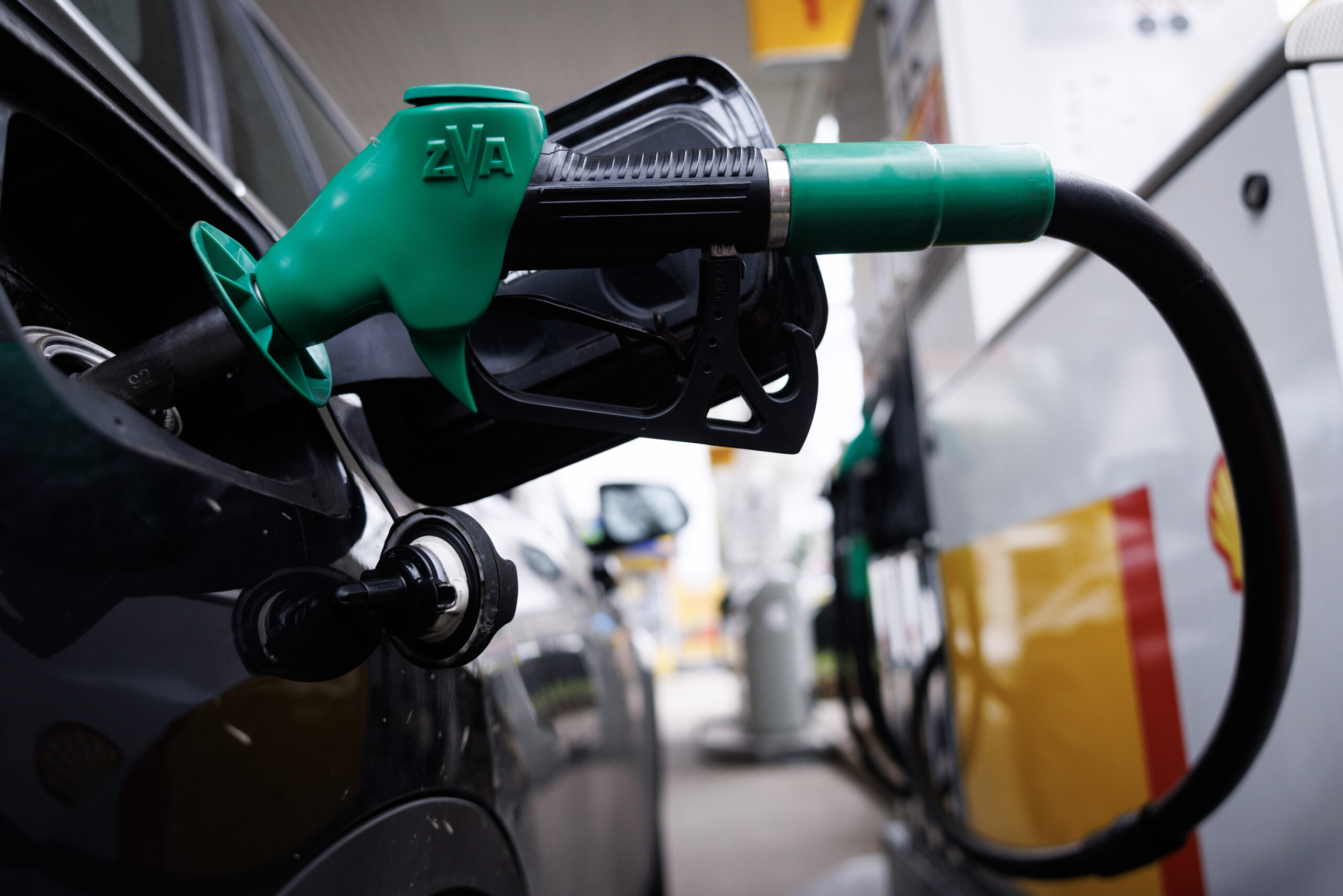
Consumers are increasingly paying more for fuel not only because of higher oil prices but also because of a global shortage of refining capacity.
This is according to the latest South African Reserve Bank Monetary Policy Review, which was released on Wednesday. The Reserve Bank warns that widening refinery margins have become a significant source of fuel-price inflation, with the cost of refining crude oil into petrol and diesel remaining elevated even when crude oil prices ease.
According to the report, global refinery margins surged in 2026 following damage to refining infrastructure in the Middle East, attacks on Russian refineries and temporary export restrictions from China. These disruptions reduced the availability of refined fuel products and tightened global supply.
READ MORE: Reserve Bank warns of further interest rate hikes as inflation risks mount
South Africa more exposed
The impact is particularly acute for South Africa, which now relies heavily on imported refined fuels following the closure of several domestic refineries.
The Reserve Bank notes that reduced global refining capacity now has a stronger effect on local fuel prices than in the past. “Refinery margins could keep fuel inflation elevated even if crude oil prices fall back to pre-conflict levels,” the Reserve Bank says in its review. As a result, motorists may not experience meaningful relief at the pumps even if global oil prices decline.
Local refinery closures add pressure
Several major South African refineries have either closed, been converted into import terminals, or remain offline, increasing the country’s reliance on imported refined fuel.
The most significant closures include:
• SAPREF refinery in Durban, South Africa’s largest refinery with a capacity of about 180,000 barrels per day. The refinery stopped operating in 2022 and has since been converted into an import terminal, removing a substantial share of South Africa’s domestic refining capacity.
• Engen Refinery in Durban, with a capacity of roughly 120,000 barrels per day. Following a major explosion and fire in 2020, refining operations ceased and the facility was subsequently converted into an import terminal.
The Bank’s analysis shows that domestic refinery-margin proxies have risen sharply since March 2026, with diesel margins increasing to levels significantly higher than during previous periods of fuel-market stress.
Diesel costs ripple through economy
Diesel is of particular concern because it is a critical input in transport, agriculture, mining and manufacturing.
The Reserve Bank warns that higher diesel costs can raise the cost of moving goods across the economy, increasing pressure on food prices and consumer inflation.
READ MORE: Fuel hikes squeeze taxis, Cosatu urges government relief
Fuel inflation has already become a major driver of overall price increases. The Reserve Bank forecasts fuel inflation to average 19.7% in 2026, with fourth-quarter fuel inflation projected to reach 40%.
The Bank argues that rising fuel costs have contributed to an increase in headline inflation from around 3% at the beginning of 2026 to above 4% later in the year, prompting tighter monetary policy.
The Reserve Bank warned that sustained refinery constraints pose a broader economic risk because higher transport and production costs can spread through the economy and contribute to so-called second-round inflation effects.
- Consumers are paying more for fuel due to higher oil prices and a global shortage of refining capacity, according to the South African Reserve Bank Monetary Policy Review.
- Global refinery margins surged in 2026 following damage to refining infrastructure in the Middle East, attacks on Russian refineries, and export restrictions from China, reducing refined fuel availability.
- South Africa's reliance on imported refined fuels has increased after the closure or conversion of major refineries like SAPREF and Engen in Durban.
- Domestic refinery-margin proxies rose sharply since March 2026, with diesel margins reaching levels higher than previous fuel-market stresses.
- The Reserve Bank forecasts fuel inflation to average 19.7% in 2026, with fourth-quarter inflation projected at 40%, contributing to increased headline inflation and prompting tighter monetary policy.


