


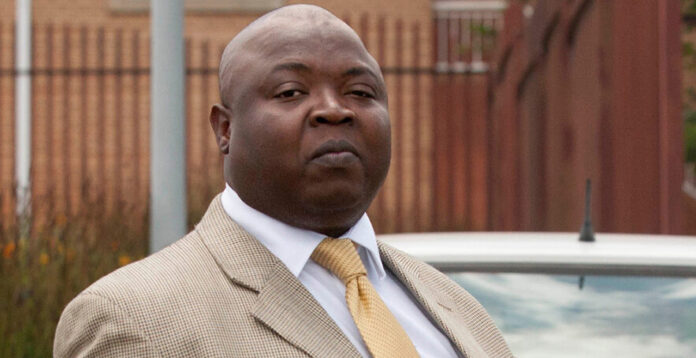
Former Crime Intelligence head Mulangi Mphego has secured R5,000 bail after Johannesburg magistrate Tshifiwa Ntoko rejected prosecutors’ demands that he surrender his passport and report weekly to police.
He faces charges under the Firearms Control Act relating to ammunition allegedly originating from police stock.
Ntoko found insufficient grounds for the restrictions, noting that investigators knew Mphego’s whereabouts throughout their three-month investigation.
However, she prohibited Mphego from contacting state witnesses, citing his influence as a former senior police officer and businessman.
The decision followed an unopposed bail application in which the defence questioned why police arrested Mphego months after seizing ammunition from his home.
READ MORE: Ex-crime intelligence chief names who packed Sindile Mfazi’s Phala Phala files
The proceedings exposed the considerations courts must weigh when deciding whether an accused person should remain in custody.
Courts consider whether releasing an accused person would undermine the interests of justice. These considerations include whether the accused might flee, intimidate witnesses, interfere with evidence or commit further offences.
Mphego’s lawyer told the court that his client owned property, operated a business and supported three children.
He also had no previous convictions or pending criminal cases, according to the defence.
Ntoko found that his established ties to South Africa reduced the likelihood of abscondment.
Why police waited three months
The defence also questioned the circumstances surrounding Mphego’s arrest.
Counsel said police seized the ammunition on July 6 but waited approximately three months before executing an arrest warrant around midnight, questioning why officers arrested Mphego at home despite knowing his address and having interacted with him during their investigation.
“Why didn’t they arrest him there and then and bring him before court?” counsel asked.
He argued that police could have issued a summons requiring Mphego to appear in court.
“Really not necessary to arrest him,” counsel submitted.
The argument raised an important distinction between police having the legal power to arrest someone and how they exercise that power.
READ MORE: Court targets faceless accounts over Mfazi death, Phala Phala claims
South African law does not automatically invalidate an arrest because police could have issued a summons. However, officers must exercise their powers within the law.
Counsel acknowledged that an arrest lawfully authorised and executed could not be invalidated solely because police allegedly had improper motives.
Counsel also revealed separate High Court proceedings challenging the search warrant and its execution.
Those proceedings were expected to be heard on October 27.
The defence maintained that Mphego possessed licensed firearms corresponding to the ammunition calibres.
Counsel said the dispute concerned allegations that some ammunition originated from police stock.
The prosecutor declined to debate those allegations during bail proceedings, reserving the substantive questions for trial.
Why Ntoko rejected restrictions
The prosecution wanted Mphego to report weekly to police, surrender his passport and avoid contacting witnesses. But Ntoko questioned what risks the first two conditions would address.
“I don’t see any reason why you should report to a police station,” she said.
She pointed out that investigators had found Mphego at his known residence despite the lengthy investigation. “I don’t see any suggestion that you could not attend your court,” she added.
However, Ntoko considered Mphego’s former police career and business interests relevant to possible witness interference.
“You are a person of influence,” she told him.
She prohibited direct and indirect communication with witnesses, including contact through intermediaries, WhatsApp or email.
READ MORE: Slain General Mfazi’s gun lands son in legal trouble
Ntoko warned that prosecutors could apply to cancel his bail if he breached the conditions.
The hearing also highlighted the distinction between an open court and unrestricted media access.
Ntoko demanded a formal application after journalists attempted to photograph proceedings without permission. She subsequently allowed limited filming while restricting images of herself, the prosecutor and court staff.
Mphego is due to return to court on November 3 for disclosure of the investigation docket.
- Mulangi Mphego, former Crime Intelligence head, secured R5,000 bail after the Johannesburg magistrate rejected prosecutors’ demands that he surrender his passport and report weekly to police.
- Mphego faces charges under the Firearms Control Act related to ammunition allegedly from police stock, and the magistrate prohibited him from contacting state witnesses due to his influence as a former senior officer and businessman.
- The defence questioned why police waited three months after seizing ammunition before arresting Mphego, suggesting a summons could have been issued instead, and separate High Court proceedings challenging the search warrant are scheduled for October 27.
- Magistrate Tshifiwa Ntoko ruled that there were insufficient grounds for the restrictions on Mphego's movements since investigators knew his whereabouts and his ties to South Africa reduced flight risk.
- Mphego is due back in court on November 3 for disclosure of the investigation docket, with strict limits on media access during the proceedings.


