


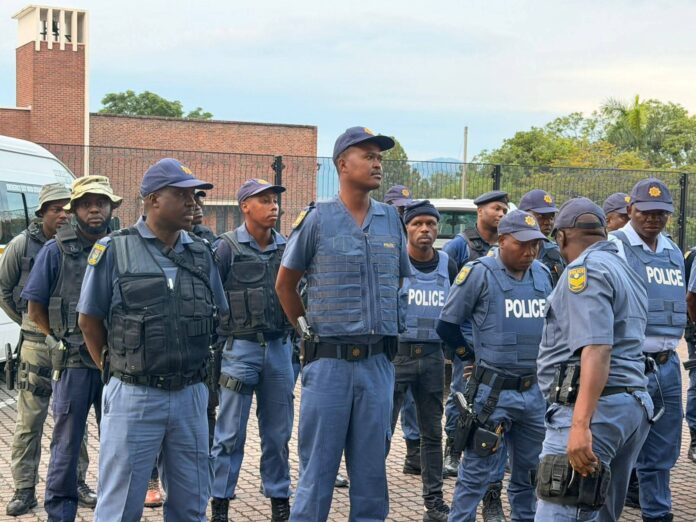
KwaZulu-Natal has solidified its position as South Africa’s deadliest province for police violence, with the Independent Police Investigative Directorate (Ipid) recording 256 fatalities linked to police action in the 2024/25 financial year — the highest provincial toll in the country and a figure that underscores an escalating national crisis of lethal policing.
These deaths arose from 168 separate incidents classified as “death as a result of police action”. Ipid notes the fatality count exceeds the incident tally because multiple victims were often killed in single encounters, such as during business robberies or hijackings.
The province’s incident rate represents a 26% increase from the 133 cases recorded in 2023/24, one of the sharpest single-year deteriorations nationwide.
Nationally, Ipid registered 515 deaths arising from 460 police-action incidents, marking a 12% year-on-year rise in lethal outcomes. KwaZulu-Natal accounted for 33% of all national killings, followed by Gauteng with 102 cases, the Eastern Cape with 91, and the Western Cape with 53.
Other provinces reported significantly lower figures, including the Free State (27), Mpumalanga (31), Limpopo (21), North West (16), and the Northern Cape (6).
A closer examination of the data reveals the dominant methods of killing. The majority of incidents involved suspects being shot with a service firearm, including 234 shootings during arrests and 118 during the course of a crime. Additionally, 17 firearm-related deaths were linked to domestic violence interventions.
Other causes included assault during arrests and investigations — 10 cases each — negligent handling of official vehicles (25 cases), and suffocation during arrests (three cases). Locations of fatal encounters further illustrate the reach of police violence, with 427 deaths occurring at crime scenes, 183 in hospitals or clinics, and 100 in police cells.
KwaZulu-Natal’s position at the top of the national killings table emerges amid intense scrutiny of the province’s policing leadership under Lt-Gen Nhlanhla Mkhwanazi, who last July publicly alleged that senior SAPS officials and suspended police minister Senzo Mchunu had been captured by criminal syndicates. His claims prompted the formation of the Madlanga Commission and an ad hoc parliamentary committee, intensifying scrutiny of police conduct in the province.
Beyond killings, the Ipid report details a far broader landscape of alleged brutality. Assault cases nationally increased by 5%, from 3,176 to 3,320. The Western Cape recorded the highest number at 674 cases, followed by Gauteng (519), Free State (473), Mpumalanga (359), Eastern Cape (310), KwaZulu-Natal (277), North West (260), Northern Cape (248), and Limpopo (198).
The vast majority of these — 3,035 cases — were classified as common assault, while 232 involved intent to cause grievous bodily harm.
Torture allegations, a grave indicator of systemic abuse, rose by 6% nationally, from 273 to 290 cases. KwaZulu-Natal again led with 71 complaints, followed by the Free State (60), Eastern Cape (59), Mpumalanga (35), Western Cape (26), Limpopo (12), North West (8), and Northern Cape (7).
Reported methods extended beyond physical beatings to include suffocation during interrogations, the use of electric shocks, forced painful positioning, and psychological intimidation.
Another critical trend is the 20% national increase in complaints involving the discharge of official firearms — from 621 to 745. KwaZulu-Natal’s firearm-related complaints jumped 49%, from 78 to 116, raising serious concerns about use-of-force protocols and bystander safety.
Despite the alarming statistics, accountability remains weak. A backlog exceeding 14,000 cases and severe resource constraints have hamstrung Ipid’s capacity, causing delays in investigations and undermining deterrence.



Those killed are thugs. So why call call them trigger happy cops. Nx