
No rookies: Political heavyweights target metro mayoral chains

  • Political parties are increasingly selecting high-profile, experienced candidates to contest mayoral races in South Africa's metros ahead of the 2026 local government elections.
  • DA federal chairperson Helen Zille's bid for Johannesburg mayor appears to have raised the stakes, prompting rival parties to field prominent figures of their own.
  • The emerging candidate lists suggest voters will assess not only party manifestos but also the individual records and leadership track records of mayoral hopefuls.

The Democratic Alliance has helped set a tone that metro mayoral candidates need political weight and executive experience, and rival parties appear to be responding with their own high-profile choices.

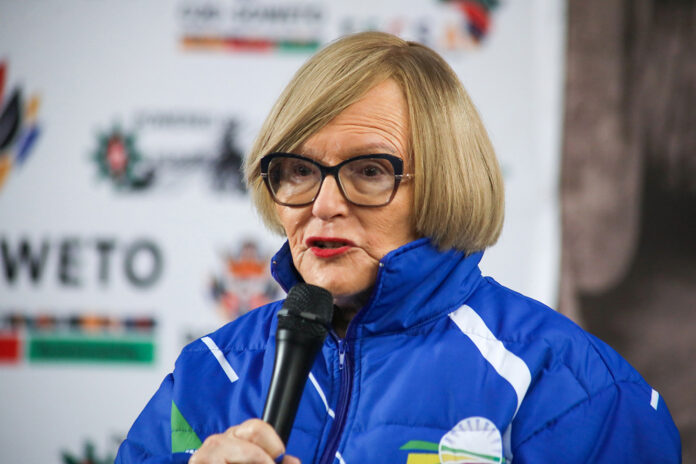
Helen Zille was among the first major political figures to announce her bid for a metro, throwing her hat into the ring for Johannesburg before several of the other parties had finalised their choices. Her early entry appears to have raised the stakes of the contest, putting a veteran politician at the centre of the battle for control of the country’s economic hub.

The response from rival parties has been notable.

Political record key

ActionSA has selected its leader Herman Mashaba for Johannesburg, while the MK Party has chosen Bongani Baloyi. The EFF will field Tlaleng Mofokeng, while the IFP has put forward its president, Mkhuleko Hlengwa, in eThekwini.

The DA has also leaned on established figures in other metros, selecting former Tshwane mayor Cilliers Brink and backing incumbent Cape Town mayor Geordin Hill-Lewis.

The ANC is still working through its selection process after interviewing candidates across the eight metros. In Johannesburg, its contenders include incumbent mayor Dada Morero and Reverend Frank Chikane, while its eThekwini pool includes Cyril Xaba and former KwaZulu-Natal premier Nomusa Dube-Ncube.

Taken together, the emerging line-up points to a mayoral race dominated by politicians who already have a public identity and a political record.

READ: ANC inundated as 5 000 hopefuls apply for metro mayoral positions

That could make the 2026 contests considerably more personal than previous local government campaigns. Instead of candidates being judged only on their parties’ manifestos, their individual records are likely to become part of the election debate.

Incumbents will have to defend their performance

For those who have previously held public office, their time in government gives voters something tangible against which to measure their promises. Incumbents will have to defend their performance, while former office bearers will have to explain what they would do differently if given another opportunity.

This also creates a different challenge for parties.

A high-profile candidate can draw attention to a campaign and give voters a recognisable figure to associate with a party’s governing offer. But a prominent candidate can also become a political liability if their record becomes the central focus of an opponent’s campaign.

That calculation will be particularly important in the metros, where control of the mayor’s office can depend on complicated council arithmetic.

The 2021 local government elections fundamentally altered that landscape. The ANC’s national support fell below 50%, while the number of hung councils increased significantly. The result was a proliferation of coalition arrangements and political negotiations in municipalities where no party could govern alone.

The 2026 election will take place against that backdrop.

Parties are therefore not simply competing to win the most votes. They are also positioning themselves to negotiate, form administrations and, where possible, secure control of the mayor’s office after the results are announced.

The personalities they have selected could prove important in those negotiations.

READ: It may be Helen Zille vs Herman Mashaba, Bongani Baloyi if ActionSA can’t find Joburg mayoral candidate

Selection of mayoral candidates a strategic decision

A mayor who has already established a political profile may have an advantage when trying to unite competing interests within a council. At the same time, a polarising figure could make coalition-building more difficult.

This makes the selection of mayoral candidates a strategic decision rather than merely a campaign exercise.

The stakes are particularly high because the eight metros account for some of South Africa’s most important economic centres. Their administrations oversee major infrastructure, public transport, electricity, water, waste management and other services that affect millions of residents.

The mayoral races will therefore provide an early indication of how far the country’s political landscape has shifted since 2021.

Johannesburg is likely to attract the greatest attention, given the number of established political figures entering the contest. But Tshwane, Ekurhuleni, eThekwini, Cape Town, Mangaung, Nelson Mandela Bay and Buffalo City will also be closely watched as parties attempt to strengthen their positions in local government.

Subscribe To Our Newsletter  

  • The Democratic Alliance has influenced metro mayoral races by emphasizing candidates with political weight and executive experience, prompting rival parties to select high-profile contenders.
  • Helen Zille was among the first to announce her mayoral bid for Johannesburg, raising the stakes for the contest in the city's economic hub.
  • ActionSA selected Herman Mashaba, the MK Party chose Bongani Baloyi, the EFF will field Tlaleng Mofokeng, and the IFP chose Mkhuleko Hlengwa as mayoral candidates in key metros.
  • The ANC is still finalizing candidates for the eight metros, with contenders in Johannesburg including incumbent mayor Dada Morero and Reverend Frank Chikane.
  • The 2026 metro mayoral races will be influenced by candidates' personal records and political profiles, impacting coalition negotiations and governance in South Africa's major economic centers.

🎧 Listen to this article

The Democratic Alliance has helped set a tone that metro mayoral candidates need political weight and executive experience, and rival parties appear to be responding with their own high-profile choices.

Helen Zille was among the first major political figures to announce her bid for a metro, throwing her hat into the ring for Johannesburg before several of the other parties had finalised their choices. Her early entry appears to have raised the stakes of the contest, putting a veteran politician at the centre of the battle for control of the country’s economic hub.

The response from rival parties has been notable.

ActionSA has selected its leader Herman Mashaba for Johannesburg, while the MK Party has chosen Bongani Baloyi. The EFF will field Tlaleng Mofokeng, while the IFP has put forward its president, Mkhuleko Hlengwa, in eThekwini.

The DA has also leaned on established figures in other metros, selecting former Tshwane mayor Cilliers Brink and backing incumbent Cape Town mayor Geordin Hill-Lewis.

The ANC is still working through its selection process after interviewing candidates across the eight metros. In Johannesburg, its contenders include incumbent mayor Dada Morero and Reverend Frank Chikane, while its eThekwini pool includes Cyril Xaba and former KwaZulu-Natal premier Nomusa Dube-Ncube.

Taken together, the emerging line-up points to a mayoral race dominated by politicians who already have a public identity and a political record.

READ: ANC inundated as 5 000 hopefuls apply for metro mayoral positions

That could make the 2026 contests considerably more personal than previous local government campaigns. Instead of candidates being judged only on their parties' manifestos, their individual records are likely to become part of the election debate.

For those who have previously held public office, their time in government gives voters something tangible against which to measure their promises. Incumbents will have to defend their performance, while former office bearers will have to explain what they would do differently if given another opportunity.

This also creates a different challenge for parties.

A high-profile candidate can draw attention to a campaign and give voters a recognisable figure to associate with a party's governing offer. But a prominent candidate can also become a political liability if their record becomes the central focus of an opponent's campaign.

That calculation will be particularly important in the metros, where control of the mayor's office can depend on complicated council arithmetic.

The 2021 local government elections fundamentally altered that landscape. The ANC's national support fell below 50%, while the number of hung councils increased significantly. The result was a proliferation of coalition arrangements and political negotiations in municipalities where no party could govern alone.

The 2026 election will take place against that backdrop.

Parties are therefore not simply competing to win the most votes. They are also positioning themselves to negotiate, form administrations and, where possible, secure control of the mayor's office after the results are announced.

The personalities they have selected could prove important in those negotiations.

READ: It may be Helen Zille vs Herman Mashaba, Bongani Baloyi if ActionSA can't find Joburg mayoral candidate

A mayor who has already established a political profile may have an advantage when trying to unite competing interests within a council. At the same time, a polarising figure could make coalition-building more difficult.

This makes the selection of mayoral candidates a strategic decision rather than merely a campaign exercise.

The stakes are particularly high because the eight metros account for some of South Africa's most important economic centres. Their administrations oversee major infrastructure, public transport, electricity, water, waste management and other services that affect millions of residents.

The mayoral races will therefore provide an early indication of how far the country's political landscape has shifted since 2021.

Johannesburg is likely to attract the greatest attention, given the number of established political figures entering the contest. But Tshwane, Ekurhuleni, eThekwini, Cape Town, Mangaung, Nelson Mandela Bay and Buffalo City will also be closely watched as parties attempt to strengthen their positions in local government.

Subscribe To Our Newsletter  

LEAVE A REPLY

Please enter your comment!
Please enter your name here

This site uses Akismet to reduce spam. Learn how your comment data is processed.

