


Miss South Africa is more than a beauty pageant. It is a national institution that has spent decades building a reputation around beauty, elegance, confidence and the opportunity to represent the country.
That reputation comes with responsibility. And if the reaction to this year’s finale is anything to go by, the organisation needs to take a serious look at how it is protecting the value of the title.
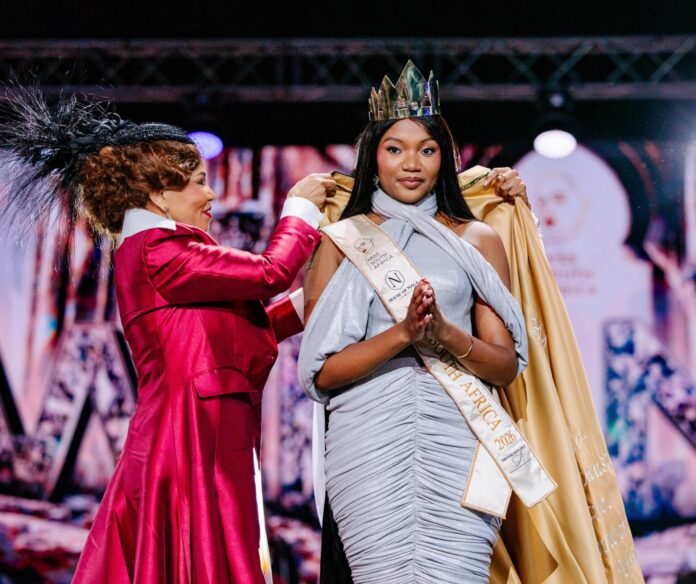
The crowning of Tiyani Makamu should have been a moment of celebration. Instead, the conversation has been dominated by the temporary crown placed on her head, questions about the pageant’s presentation and growing dissatisfaction with the organisation’s decisions.
It is difficult to understand why an institution of this standing would allow such an avoidable distraction to overshadow its most important moment.
The issue of the ‘temporary’ crown
In its official response to the public reaction, the Miss South Africa Organisation confirmed that the crown presented during the finale was temporary while preparations for the official crown were being finalised.
The organisation explained that it wanted South Africans to participate in the journey towards unveiling the official crown, arguing that the symbol should reflect the collective identity, aspirations and values of the people the reigning queen represents.
It is an appealing idea in principle. A national institution should want the public to feel invested in its identity. But the execution raises questions.
If the official crown was still being finalised, why was there such a rush to proceed with the crowning using a temporary one? Why not wait until the official crown was ready and give the new queen the moment that the title deserves?
Was there a compelling reason the crowning could not have been delayed, or did the organisation simply underestimate how the decision would look to the public?
A crown is not the most important part of a woman’s ability to represent the country. But in a competition where symbolism, presentation and tradition carry considerable weight, it is hardly an insignificant detail.
The organisation has admitted that its intention should have been communicated more clearly before the finale and that the lack of context created unnecessary uncertainty.
That admission is welcome, but it also highlights the problem. An organisation that understands the public’s emotional investment in Miss South Africa should have anticipated that replacing a familiar crown with a temporary one, without explaining why, would become a talking point.
The public should not have to wait for a statement after the event to understand a decision that could have been explained beforehand. This is not simply about a crown. It is about the judgement behind the decisions being made in the name of an institution that expects the country to take its title seriously.
ALSO READ: Shock exit rocks Miss SA 2025 as organisation launches new era
The organisation also used its statement to defend the judging process, reminding the public that beauty, elegance, confidence and presence remain fundamental to the competition, alongside intelligence, leadership, authenticity, compassion and communication skills.
It is right to insist that Miss South Africa should represent more than physical appearance. The title carries responsibilities that require substance, discipline and the ability to serve as an ambassador.
But those standards must be visible not only in the women who compete, but in the institution responsible for selecting and presenting them.
Debate about pageant’s evolution
There has also been considerable debate about the pageant’s evolving eligibility requirements, particularly the inclusion of transgender women, married women and mothers. However, it would be inaccurate to suggest that these changes were introduced after the controversy surrounding Chidimma Adetshina in 2024.
Transgender women have been eligible to compete since 2019, while the organisation publicly confirmed in 2023 that married women and women with children could enter. These changes predate the Adetshina controversy.
More importantly, expanding eligibility does not automatically mean lowering standards. A woman’s marital or parental status does not determine her intelligence, leadership ability, ambition or capacity to represent South Africa. Nor should inclusion be treated as the enemy of excellence.
The more legitimate question is whether Miss South Africa has been sufficiently clear about the institution it wants to become and whether its decisions consistently reflect that ambition.
The organisation says it wants a modern Miss South Africa who embodies both beauty and substance. That is a worthwhile vision. But a modern institution still needs strong organisation, thoughtful planning, transparent communication and a production that reflects the significance of the title.
The public’s criticism should not all be dismissed as resistance to change or dissatisfaction with the winner. People can accept that a pageant must evolve while still expecting it to maintain high standards.
Criticism of the organisation vs criticism of Makamu
Makamu entered the competition, competed and was selected by the judging panel. She did not negotiate the crown sponsorship, decide whether the official crown would be ready or determine how the organisation would communicate its plans.
The organisation’s statement says it stands firmly behind her and believes she deserves to begin her reign with dignity and encouragement. I agree. Makamu should not have to spend the beginning of her reign answering for decisions that were not hers to make. The responsibility lies with the people entrusted with managing the institution.
Miss South Africa must understand that public affection is not automatic. People invest in the pageant because they see it as a symbol of national pride and an opportunity to celebrate South African women. That emotional investment is precisely why audiences notice when something feels out of place.
A new crown can be designed. A sponsorship can be replaced. A production can be improved. But confidence in an institution is harder to rebuild once people begin questioning the judgement of those running it.
Miss South Africa does not have to remain frozen in the past to preserve its prestige. It can broaden its eligibility requirements, redefine its purpose and invite the public into its evolution.
Evolution is no excuse for poor planning or communication
If the organisation wants South Africans to embrace its new chapter, it must give them a reason to trust the people leading it. That means making decisions with foresight, explaining them before they become controversies and ensuring that the presentation of the competition matches the stature of the title.
Tiyani Makamu deserves a memorable beginning to her reign. The organisation owes her, the other finalists and the South African public a competition whose execution matches the significance of the crown.
ALSO READ: Pageant queen Hombir on the joy and sorrow of being ‘different’
The problem is not that Miss South Africa is changing. It is whether the organisation is managing that change with the care and judgement its legacy demands.
- Miss South Africa is more than a beauty pageant.
- It is a national institution that has spent decades building a reputation around beauty, elegance, confidence and the opportunity to represent the country.
- That reputation comes with responsibility.
- And if the reaction to this year’s finale is anything to go by, the organisation needs to take a serious look at how it is protecting the value of the title.
- The crowning of Tiyani Makamu should have been a moment of celebration.
Miss South Africa is more than a beauty pageant. It is a national institution that has spent decades building a reputation around beauty, elegance, confidence and the opportunity to represent the country.
That reputation comes with responsibility. And if the reaction to this year’s finale is anything to go by, the organisation needs to take a serious look at how it is protecting the value of the title.
The crowning of Tiyani Makamu should have been a moment of celebration. Instead, the conversation has been dominated by the temporary crown placed on her head, questions about the pageant’s presentation and growing dissatisfaction with the organisation’s decisions.
It is difficult to understand why an institution of this standing would allow such an avoidable distraction to overshadow its most important moment.
In its official response to the public reaction, the Miss South Africa Organisation confirmed that the crown presented during the finale was temporary while preparations for the official crown were being finalised.
The organisation explained that it wanted South Africans to participate in the journey towards unveiling the official crown, arguing that the symbol should reflect the collective identity, aspirations and values of the people the reigning queen represents.
It is an appealing idea in principle. A national institution should want the public to feel invested in its identity. But the execution raises questions.
If the official crown was still being finalised, why was there such a rush to proceed with the crowning using a temporary one? Why not wait until the official crown was ready and give the new queen the moment that the title deserves?
Was there a compelling reason the crowning could not have been delayed, or did the organisation simply underestimate how the decision would look to the public?
A crown is not the most important part of a woman’s ability to represent the country. But in a competition where symbolism, presentation and tradition carry considerable weight, it is hardly an insignificant detail.
The organisation has admitted that its intention should have been communicated more clearly before the finale and that the lack of context created unnecessary uncertainty.
That admission is welcome, but it also highlights the problem. An organisation that understands the public’s emotional investment in Miss South Africa should have anticipated that replacing a familiar crown with a temporary one, without explaining why, would become a talking point.
The public should not have to wait for a statement after the event to understand a decision that could have been explained beforehand. This is not simply about a crown. It is about the judgement behind the decisions being made in the name of an institution that expects the country to take its title seriously.
ALSO READ: Shock exit rocks Miss SA 2025 as organisation launches new era
The organisation also used its statement to defend the judging process, reminding the public that beauty, elegance, confidence and presence remain fundamental to the competition, alongside intelligence, leadership, authenticity, compassion and communication skills.
It is right to insist that Miss South Africa should represent more than physical appearance. The title carries responsibilities that require substance, discipline and the ability to serve as an ambassador.
But those standards must be visible not only in the women who compete, but in the institution responsible for selecting and presenting them.
There has also been considerable debate about the pageant’s evolving eligibility requirements, particularly the inclusion of transgender women, married women and mothers. However, it would be inaccurate to suggest that these changes were introduced after the controversy surrounding Chidimma Adetshina in 2024.
Transgender women have been eligible to compete since 2019, while the organisation publicly confirmed in 2023 that married women and women with children could enter. These changes predate the Adetshina controversy.
More importantly, expanding eligibility does not automatically mean lowering standards. A woman’s marital or parental status does not determine her intelligence, leadership ability, ambition or capacity to represent South Africa. Nor should inclusion be treated as the enemy of excellence.
The more legitimate question is whether Miss South Africa has been sufficiently clear about the institution it wants to become and whether its decisions consistently reflect that ambition.
The organisation says it wants a modern Miss South Africa who embodies both beauty and substance. That is a worthwhile vision. But a modern institution still needs strong organisation, thoughtful planning, transparent communication and a production that reflects the significance of the title.
The public’s criticism should not all be dismissed as resistance to change or dissatisfaction with the winner. People can accept that a pageant must evolve while still expecting it to maintain high standards.
https://www.instagram.com/official_misssa/p/DfvHUIBjbmJ/
Makamu entered the competition, competed and was selected by the judging panel. She did not negotiate the crown sponsorship, decide whether the official crown would be ready or determine how the organisation would communicate its plans.
The organisation’s statement says it stands firmly behind her and believes she deserves to begin her reign with dignity and encouragement. I agree. Makamu should not have to spend the beginning of her reign answering for decisions that were not hers to make. The responsibility lies with the people entrusted with managing the institution.
Miss South Africa must understand that public affection is not automatic. People invest in the pageant because they see it as a symbol of national pride and an opportunity to celebrate South African women. That emotional investment is precisely why audiences notice when something feels out of place.
A new crown can be designed. A sponsorship can be replaced. A production can be improved. But confidence in an institution is harder to rebuild once people begin questioning the judgement of those running it.
Miss South Africa does not have to remain frozen in the past to preserve its prestige. It can broaden its eligibility requirements, redefine its purpose and invite the public into its evolution.
If the organisation wants South Africans to embrace its new chapter, it must give them a reason to trust the people leading it. That means making decisions with foresight, explaining them before they become controversies and ensuring that the presentation of the competition matches the stature of the title.
Tiyani Makamu deserves a memorable beginning to her reign. The organisation owes her, the other finalists and the South African public a competition whose execution matches the significance of the crown.
ALSO READ: Pageant queen Hombir on the joy and sorrow of being 'different'
The problem is not that Miss South Africa is changing. It is whether the organisation is managing that change with the care and judgement its legacy demands.


