


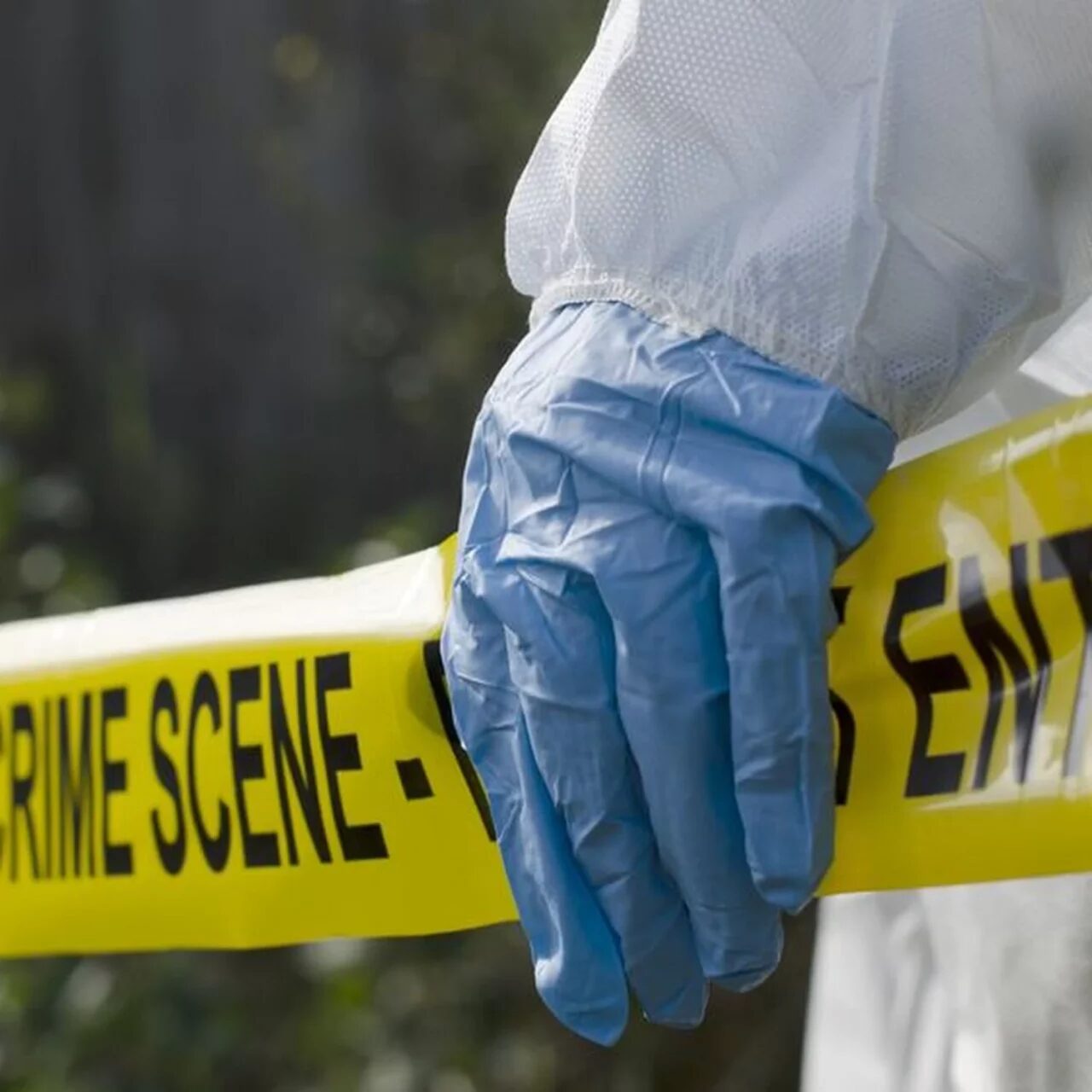
As 2026 draws to a close, South Africans must make a collective commitment to confront crime, mobilise communities, demand accountability and build a safer country.
The fight cannot be left to the police alone. It belongs to all of us.
As the year fast draws to a close, South Africa needs to take a long, hard look at the state of crime in our country and, more importantly, decide what we are going to do about it.
We cannot continue accepting crime as part of everyday life. We cannot become desensitised to murder, hijackings, kidnappings, robberies, gender-based violence, organised crime and the relentless activities of criminal syndicates.
Too many families have buried loved ones. Too many businesses have been robbed, hijacked or forced to close. Too many communities live behind high walls and electric fences, prisoners in their own homes.
Enough is enough.
2027 must be the turning point
This cannot simply be another year of political promises, press statements and expressions of concern whenever another tragedy makes the headlines. It must be a year of action, accountability and mobilisation.
The Madlanga Commission has exposed serious allegations and raised fundamental questions about policing, political interference, corruption and the relationship between criminal networks and elements within law enforcement.
The commission’s work must not become another report that gathers dust on a government shelf.
With the final report due to be submitted by the end of January 2027, there must be a clear commitment from government that its recommendations will be considered and implemented without delay. Where wrongdoing is established, there must be consequences. Those implicated in criminality must face the full might of the law.
South Africans cannot afford another cycle of commissions, investigations and promises without meaningful action.
We also desperately need stability in the police service. The South African Police Service (SAPS) cannot effectively fight organised crime while being distracted by leadership uncertainty, internal battles and allegations of corruption at senior levels.
ALSO READ: COSATU pushes for 200 000 cops
We need strong, credible and decisive leadership. We need a permanent Minister of Police appointed now, someone with the political will and commitment to drive meaningful reform and ensure that the police service focuses on its core responsibility: protecting South Africans.
The men and women in blue need leadership, resources, proper training, intelligence capabilities and political support. Equally, they must be held accountable.
Time for a collective stand
The fight against crime cannot be left to the police alone.
We need to take a stand. Collectively.
We need active citizenry. We need communities that refuse to look the other way. We need residents who participate in neighbourhood watches, community policing forums and local safety initiatives. We need people to report suspicious activity, share credible information and work together to protect their neighbourhoods.
Being an active citizen does not mean taking the law into your own hands. Vigilantism is not the answer. It means supporting lawful initiatives, demanding better policing and refusing to surrender our communities to criminals.
We also need to mobilise the corporate world.
Crime is not just a policing problem. It is an economic problem that affects every sector of society.
Businesses face enormous security costs, infrastructure is damaged, investment is discouraged and jobs are lost.
Small businesses, in particular, are often unable to recover after repeated robberies and burglaries.
Corporate South Africa must become a much stronger partner in the fight against crime.
Companies have resources, technology, expertise and networks that can make a meaningful difference. They can support community safety projects, invest in crime-prevention technology, assist with training, strengthen lawful information-sharing and help vulnerable communities.
Beyond talking points
Public-private partnerships must become more than a talking point. We need measurable commitments and tangible results.
We must also intensify the fight against organised crime and illicit trade.
The illegal cigarette and alcohol markets, counterfeit goods, illegal mining, drug trafficking and other criminal enterprises are not victimless activities. They undermine legitimate businesses, deprive the state of revenue, fund criminal networks and threaten our economy.
READ: Police raid warehouses and shops in R30m counterfeit blitz
We must go after the kingpins, dismantle their networks and ensure that those who facilitate these operations are held accountable.
However, while we rightly focus on the devastating impact of crime, we must also shine a light on the good.
South Africa has extraordinary people doing remarkable work, often without recognition.
Community patrollers, neighbourhood watch volunteers, dedicated police officers, investigators, prosecutors, whistleblowers, security professionals, activists and ordinary citizens are making a difference every day.
We need to celebrate them.
Recognition matters. It encourages excellence, inspires others and reminds us that there are people who refuse to give up on our country.
We should deliberately identify, acknowledge and reward those who are contributing to safer communities.
The media has an important role to play. We must continue reporting on crime, holding those in power accountable and giving victims a voice.
But we should also tell the stories of communities that are making progress, initiatives that are working and individuals who are going above and beyond the call of duty.
Safe communities require partnership
Ultimately, safer communities require a partnership between government, business, civil society, law enforcement and residents.
Dr Nik Eberl from Future of Jobs Summit argues that Johannesburg can reclaim its status as the City of Gold by focusing on practical improvements, restoring basic services, rebuilding public trust and unlocking the potential of its people. He says the 2027 Cricket World Cup presents a major opportunity to boost tourism, support small businesses, create jobs for young people and attract investment.
However, this requires proper planning, political stability and cooperation between the municipality, businesses and communities. His message is clear: Johannesburg’s revival must go beyond politics and nostalgia and translate into visible, lasting progress.
And he emphasis the need for a safer Johannesburg and a safer South Africa. He is right. Now is the time!
Every community has a role to play.
Every business has a contribution to make.
Every citizen has a responsibility.
We cannot afford to sit back and wait for somebody else to fix the problem.
The year of active citizenry
As we enter 2027, let us make a commitment to turn frustration into action, fear into vigilance and apathy into active citizenry.
Let us mobilise. Let us work together. Let us demand accountability and support those who are making a difference.
South Africa belongs to all of us, and so does the responsibility to protect it.
The fight against crime is a fight for our future, our economy, our democracy and the safety of generations to come.
2027 must be the year we stop talking about turning the tide and start doing something meaningful about it.
It is a war, and we must win it.
- Abramjee is an anti-crime and social activist
- As 2026 draws to a close, South Africans must make a collective commitment to confront crime, mobilise communities, demand accountability and build a safer country.
- The fight cannot be left to the police alone.
- It belongs to all of us.
- As the year fast draws to a close, South Africa needs to take a long, hard look at the state of crime in our country and, more importantly, decide what we are going to do about it.
- We cannot continue accepting crime as part of everyday life.


