


The 2026 Local Government Elections have been marred by incidents of ballot paper theft, voter intimidation and clashes between political party supporters.
According to the South African Police Service (SAPS), this has led to the investigation of approximately 14 election-related cases.
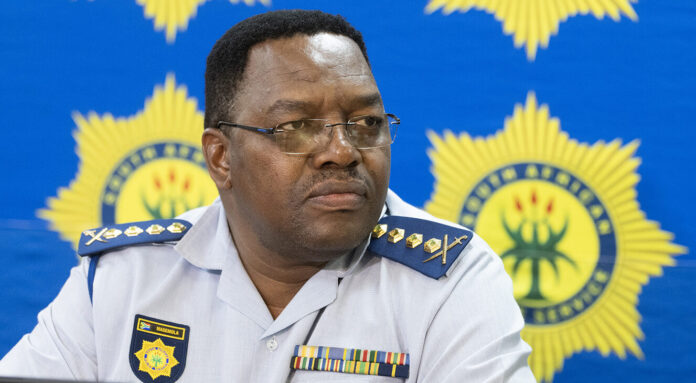
National Police Commissioner General Fannie Masemola revealed the figures during a doorstep interview with the media at the Electoral Commission of South Africa (IEC)’s Results Operations Centre in Midrand.
“Since yesterday (Wednesday), most of the cases are related to the elections, either theft of ballot papers and intimidation, or fighting where there is intolerance among political party members,” Masemola said.
He said police were also dealing with serious crimes that were reported earlier in the week, including murders reported in KwaZulu-Natal, Eastern Cape and Mpumalanga.
READ: Man shot dead outside Mpumalanga voting station during election celebrations
Masemola identified parts of eThekwini and uMkhanyakude in KwaZulu-Natal, as well as certain areas in the Eastern and Western Cape, as election hotspots that required heightened security.
“In one incident in the Amathole District Municipality in the Eastern Cape, police intervened following a protest over water-related grievances. The officers dispersed the protesters to allow voting to continue,” he explained.
Despite these concerns, he maintained that voting had generally proceeded peacefully, with police prepared to respond to incidents that could disrupt the electoral process.
While acknowledging communities’ right to raise concerns, he emphasised that protests should not prevent eligible voters from exercising their democratic rights.
Masemola also addressed the importance of political impartiality among police officers during the elections.
“Police officers are free to vote for the political party of their choice in their personal capacity but are not permitted to wear political party regalia while on duty, as this could compromise the perception of their neutrality,” he added.
This comes after a separate controversy involving a KwaZulu-Natal police sergeant who was allegedly transported to a voting station in a vehicle displaying political party posters. The officer, who was deployed at a voting station in the Mphithini area of Donnybrook, has since been precautionarily removed from election duties pending an investigation into her alleged conduct.
READ MORE: Ballots and stamp stolen in security breach at KZN voting station
Voting a democratic right and responsibility
Meanwhile, Director-General in the Presidency Phindile Baleni thanked South Africans for voting in numbers. She highlighted the role of municipalities in delivering essential services and driving development, including the provision of water, electricity, roads and opportunities for local economic growth.
“Firstly, local government is about the environment in which we live. It is about our livelihood. It is about the basics. It is about the water, electricity, the roads and the economy of the local areas in which we live,” Baleni said.
She said voting is both a democratic right and a responsibility, particularly given the sacrifices made by those who fought for South Africa’s democracy.
“The right to participate in democracy comes with the responsibility to vote and therefore, it is important that we vote. Otherwise, if we do not vote, nobody will ever hear our voice, and the issues we care about will not be attended to,” she said.
Additionally, she said citizens should not underestimate the power of their participation, saying that voting provides communities with an opportunity to make their voices heard on the issues that matter most to them.
- The 2026 Local Government Elections in South Africa have seen incidents of ballot paper theft, voter intimidation, and clashes between political party supporters, leading to 14 election-related investigations.
- National Police Commissioner General Fannie Masemola reported election-related cases including theft, intimidation, and fighting, with hotspots identified in eThekwini, uMkhanyakude, Eastern Cape, and Western Cape.
- Police intervened in a protest over water grievances in the Amathole District Municipality, dispersing protesters to allow voting to continue.
- A KwaZulu-Natal police sergeant was removed from election duties pending investigation after allegedly being transported in a vehicle with political party posters while deployed at a voting station.
- Director-General in the Presidency Phindile Baleni urged South Africans to vote, emphasizing that local government affects essential services and development, and voting is both a democratic right and responsibility.
The 2026 Local Government Elections have been marred by incidents of ballot paper theft, voter intimidation and clashes between political party supporters.
According to the South African Police Service (SAPS), this has led to the investigation of approximately 14 election-related cases.
National Police Commissioner General Fannie Masemola revealed the figures during a doorstep interview with the media at the Electoral Commission of South Africa (IEC)'s Results Operations Centre in Midrand.
"Since yesterday (Wednesday), most of the cases are related to the elections, either theft of ballot papers and intimidation, or fighting where there is intolerance among political party members," Masemola said.
He said police were also dealing with serious crimes that were reported earlier in the week, including murders reported in KwaZulu-Natal, Eastern Cape and Mpumalanga.
READ: Man shot dead outside Mpumalanga voting station during election celebrations
Masemola identified parts of eThekwini and uMkhanyakude in KwaZulu-Natal, as well as certain areas in the Eastern and Western Cape, as election hotspots that required heightened security.
"In one incident in the Amathole District Municipality in the Eastern Cape, police intervened following a protest over water-related grievances. The officers dispersed the protesters to allow voting to continue," he explained.
Despite these concerns, he maintained that voting had generally proceeded peacefully, with police prepared to respond to incidents that could disrupt the electoral process.
While acknowledging communities' right to raise concerns, he emphasised that protests should not prevent eligible voters from exercising their democratic rights.
Masemola also addressed the importance of political impartiality among police officers during the elections.
"Police officers are free to vote for the political party of their choice in their personal capacity but are not permitted to wear political party regalia while on duty, as this could compromise the perception of their neutrality," he added.
This comes after a separate controversy involving a KwaZulu-Natal police sergeant who was allegedly transported to a voting station in a vehicle displaying political party posters. The officer, who was deployed at a voting station in the Mphithini area of Donnybrook, has since been precautionarily removed from election duties pending an investigation into her alleged conduct.
READ MORE: Ballots and stamp stolen in security breach at KZN voting station
Meanwhile, Director-General in the Presidency Phindile Baleni thanked South Africans for voting in numbers. She highlighted the role of municipalities in delivering essential services and driving development, including the provision of water, electricity, roads and opportunities for local economic growth.
"Firstly, local government is about the environment in which we live. It is about our livelihood. It is about the basics. It is about the water, electricity, the roads and the economy of the local areas in which we live," Baleni said.
She said voting is both a democratic right and a responsibility, particularly given the sacrifices made by those who fought for South Africa's democracy.
"The right to participate in democracy comes with the responsibility to vote and therefore, it is important that we vote. Otherwise, if we do not vote, nobody will ever hear our voice, and the issues we care about will not be attended to," she said.
Additionally, she said citizens should not underestimate the power of their participation, saying that voting provides communities with an opportunity to make their voices heard on the issues that matter most to them.


