


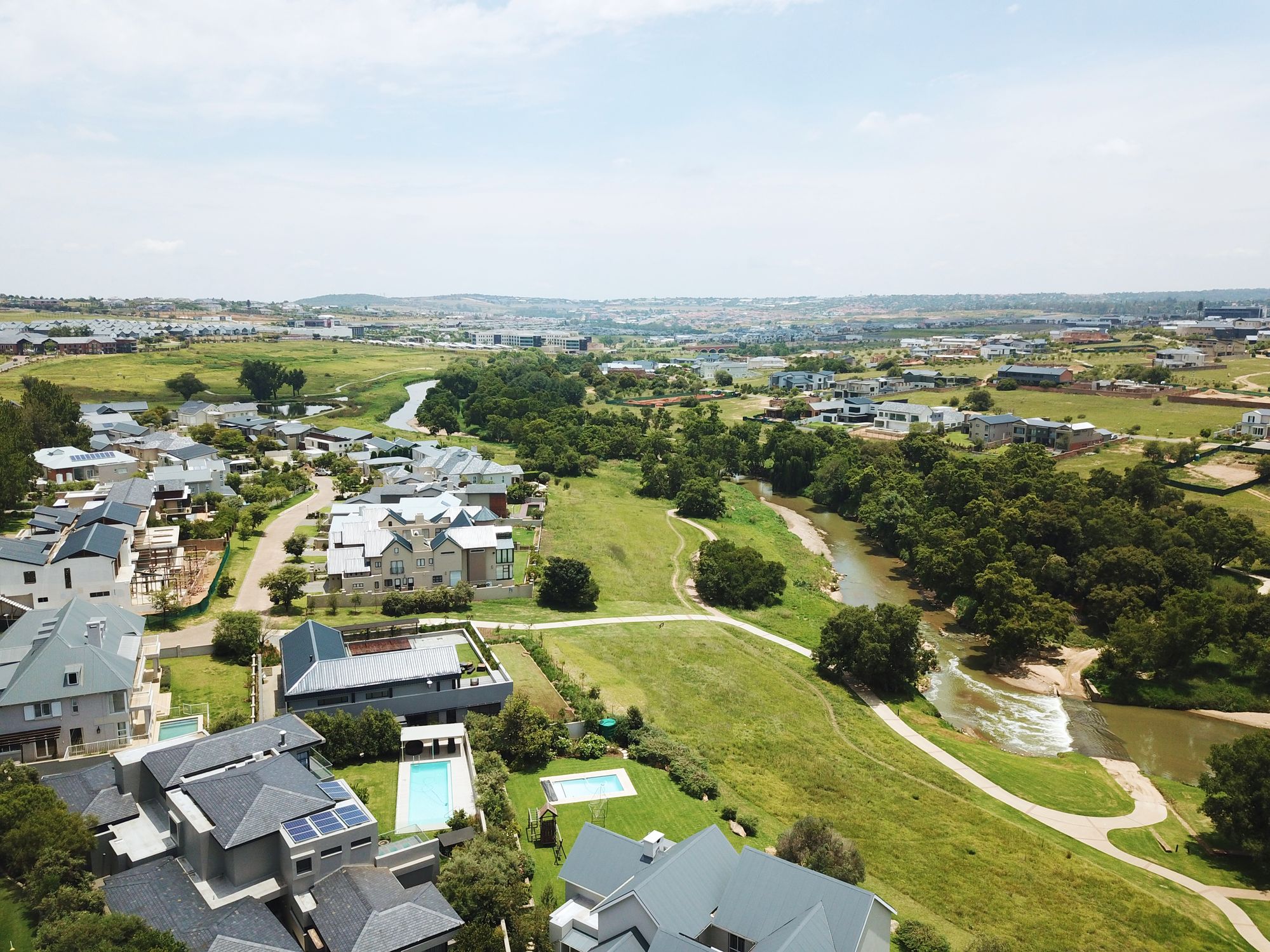
Behind the luxury gates of Waterfall Country Estate in Midrand lies a R42,000-a-month rental dispute that has been dragging on for nearly 21 months, with a developer fighting to evict a tenant who is accused of refusing to vacate the property after allegedly failing to pay rent in March last year.
David Jeromin, who rented a property in the exclusive Waterfall Country Estate North, has found himself at the centre of the legal battle that has now reached the doorstep of the Supreme Court of Appeal (SCA).
Waterfall Residential Developments initially lost its bid to evict Jeromin and other occupants after the Johannesburg High Court ruled that the developer lacked the legal standing to institute the proceedings.
However, on Wednesday, Acting Judge Yusuf Saloojee granted the developer permission to appeal, finding that conflicting judgments concerning property owners’ rights warranted consideration by the SCA.
“I am satisfied that conflicting judgments subsequent to Picardi on a question of law that has importance for rental property owners and is a compelling reason to grant leave to appeal to the Supreme Court of Appeal,” Saloojee ruled.
Rental dispute behind luxury gates
Waterfall Country Estate is among Gauteng’s most prestigious residential addresses, renowned for its multimillion-rand mansions, manicured gardens, extensive security and exclusive lifestyle.
Situated between Johannesburg and Pretoria, the sprawling development attracts celebrities, affluent families, business executives and property investors seeking privacy and luxury.
But behind its imposing gates, Jeromin’s tenancy has become the subject of a dispute involving rental payments, a mortgage bond and the legal authority to evict occupants.
READ MORE: Waterfall estates in illegal water connection scandal
According to an earlier High Court judgment delivered on September 28, Jeromin entered into a lease agreement commencing on January 1, 2024, with monthly rental fixed at R42,000.
The developer alleged that he stopped paying rent from March 1, 2025.
The earlier judgment recorded that the developer issued a demand on March 12, 2025, following the alleged default.
“On 24 April 2025, the applicant cancelled the lease agreement as the first respondent failed to pay but remained in occupation of the property,” the judgment recorded.
The developer subsequently approached the High Court seeking Jeromin’s eviction, together with that of other occupants.
The judgments do not establish whether Jeromin subsequently made payments or the total amount allegedly outstanding.
Mortgage bond throws eviction into turmoil
However, the eviction application encountered a legal obstacle when Jeromin challenged the developer’s authority to bring the proceedings.
His defence centred on clause 8.2 of a Nedbank mortgage bond, which he argued transferred the right to evict occupants to the bank.
READ MORE: Joburg loses court case against Waterfall estates
According to the November judgment, Jeromin relied on an earlier court decision to argue that the cession deprived the developer of its right to evict.
Waterfall Residential Developments disputed that interpretation, maintaining that its authority to institute eviction proceedings arose from a mandate rather than a cession of rights.
The company also argued that the High Court had incorrectly interpreted relevant case law, misunderstood the mortgage agreement and failed to consider its statutory rights.
The initial eviction application was dismissed with costs, prompting the developer to seek leave to appeal.
Saloojee found that conflicting judicial decisions raised a legal question extending beyond the immediate dispute.
The judge granted permission for the matter to proceed to the SCA, with the costs of the application to form part of the appeal.
The ruling does not authorise Jeromin’s eviction. It allows the developer to challenge the earlier judgment that blocked its application.
Subscribe To Our Newsletter or get the news delivered to your phone via our WhatsApp Channel.
- David Jeromin has been involved in a 21-month rental dispute over a R42,000-a-month lease at Waterfall Country Estate in Midrand.
- Waterfall Residential Developments initially failed to evict Jeromin after the Johannesburg High Court ruled the developer lacked legal standing.
- Acting Judge Yusuf Saloojee granted permission for Waterfall Residential Developments to appeal the eviction case to the Supreme Court of Appeal (SCA).
- Jeromin's defense relied on a clause in a Nedbank mortgage bond asserting the bank holds eviction rights, challenging the developer's authority.
- The SCA will now consider conflicting legal interpretations affecting property owners' eviction rights, but Jeromin's eviction has not yet been authorised.
Behind the luxury gates of Waterfall Country Estate in Midrand lies a R42,000-a-month rental dispute that has been dragging on for nearly 21 months, with a developer fighting to evict a tenant who is accused of refusing to vacate the property after allegedly failing to pay rent in March last year.
David Jeromin, who rented a property in the exclusive Waterfall Country Estate North, has found himself at the centre of the legal battle that has now reached the doorstep of the Supreme Court of Appeal (SCA).
Waterfall Residential Developments initially lost its bid to evict Jeromin and other occupants after the Johannesburg High Court ruled that the developer lacked the legal standing to institute the proceedings.
However, on Wednesday, Acting Judge Yusuf Saloojee granted the developer permission to appeal, finding that conflicting judgments concerning property owners' rights warranted consideration by the SCA.
"I am satisfied that conflicting judgments subsequent to Picardi on a question of law that has importance for rental property owners and is a compelling reason to grant leave to appeal to the Supreme Court of Appeal," Saloojee ruled.
Waterfall Country Estate is among Gauteng's most prestigious residential addresses, renowned for its multimillion-rand mansions, manicured gardens, extensive security and exclusive lifestyle.
Situated between Johannesburg and Pretoria, the sprawling development attracts celebrities, affluent families, business executives and property investors seeking privacy and luxury.
But behind its imposing gates, Jeromin's tenancy has become the subject of a dispute involving rental payments, a mortgage bond and the legal authority to evict occupants.
READ MORE: Waterfall estates in illegal water connection scandal
According to an earlier High Court judgment delivered on September 28, Jeromin entered into a lease agreement commencing on January 1, 2024, with monthly rental fixed at R42,000.
The developer alleged that he stopped paying rent from March 1, 2025.
The earlier judgment recorded that the developer issued a demand on March 12, 2025, following the alleged default.
"On 24 April 2025, the applicant cancelled the lease agreement as the first respondent failed to pay but remained in occupation of the property," the judgment recorded.
The developer subsequently approached the High Court seeking Jeromin's eviction, together with that of other occupants.
The judgments do not establish whether Jeromin subsequently made payments or the total amount allegedly outstanding.
However, the eviction application encountered a legal obstacle when Jeromin challenged the developer's authority to bring the proceedings.
His defence centred on clause 8.2 of a Nedbank mortgage bond, which he argued transferred the right to evict occupants to the bank.
READ MORE: Joburg loses court case against Waterfall estates
According to the November judgment, Jeromin relied on an earlier court decision to argue that the cession deprived the developer of its right to evict.
Waterfall Residential Developments disputed that interpretation, maintaining that its authority to institute eviction proceedings arose from a mandate rather than a cession of rights.
The company also argued that the High Court had incorrectly interpreted relevant case law, misunderstood the mortgage agreement and failed to consider its statutory rights.
The initial eviction application was dismissed with costs, prompting the developer to seek leave to appeal.
Saloojee found that conflicting judicial decisions raised a legal question extending beyond the immediate dispute.
The judge granted permission for the matter to proceed to the SCA, with the costs of the application to form part of the appeal.
The ruling does not authorise Jeromin's eviction. It allows the developer to challenge the earlier judgment that blocked its application.
Subscribe To Our Newsletter or get the news delivered to your phone via our WhatsApp Channel.


