


South Africa’s National Institute for Communicable Diseases (NICD) has reported a sharp rise in measles cases across the country, calling for greater surveillance and stronger vaccination efforts.
According to the NICD’s latest weekly situation report released on Friday, South Africa recorded 1 352 laboratory-confirmed measles cases from December 29 2025, to April 26 2026, covering epidemiological weeks 1 to 17.
This represents a dramatic increase compared with the same period last year, when 182 confirmed measles cases were reported in the first 18 weeks of 2025.
Western Cape worst hit
The outbreak is widespread, with the Western Cape recording the highest number of new cases in the past week at 42.
Children aged one to 14 accounted for the majority of infections, making up 67.8% of reported cases. The NICD also noted a concerning rise among older age groups, with 19.7% of cases occurring in people aged over 15.
“This is indicative of continuing measles transmission within communities and possibly an immunity gap in older age groups,” it said. “This shift in the epidemiology of measles among adults warrants further investigation to inform and improve public health interventions.”
The institute emphasised that measles remains endemic in the country and tends to increase seasonally, especially during autumn.
Low vaccination areas vulnerable
Outbreaks are more likely in areas with low vaccination coverage, where children are “either unvaccinated or under-vaccinated”, the NICD warned.
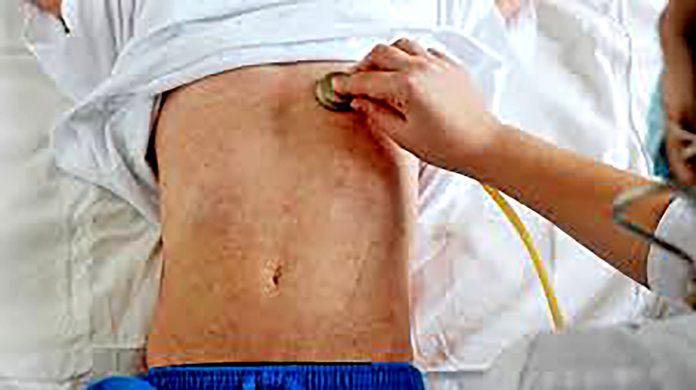
Measles, also called rubeola, is a highly contagious, serious airborne disease caused by a virus that can lead to severe complications and death. Symptoms include a high fever, cough, runny nose and rashes all over the body.
Measles can affect anyone but is most common in children. Being vaccinated is the best way to prevent getting sick with measles or spreading it to other people.
An estimated 95 000 people died from measles in 2024 – mostly children under the age of five years, despite the availability of a safe and cost-effective vaccine, according to the World Health Organization.
- South Africa's NICD reported a significant increase in measles cases, with 1,352 confirmed cases from late December 2025 to April 2026, compared to 182 cases during the same period in 2025.
- The Western Cape province is the worst affected, recording the highest number of new cases recently (42 cases in one week).
- Children aged 1 to 14 years account for nearly 68% of infections, but there is a notable rise among adults over 15 years, indicating ongoing community transmission and possible immunity gaps.
- Measles outbreaks are more common in areas with low vaccination coverage, highlighting the need for stronger vaccination efforts and surveillance.
- Measles remains endemic in South Africa, is highly contagious and potentially deadly, especially for children under five, despite the availability of a safe and effective vaccine.


